




What's Happening?
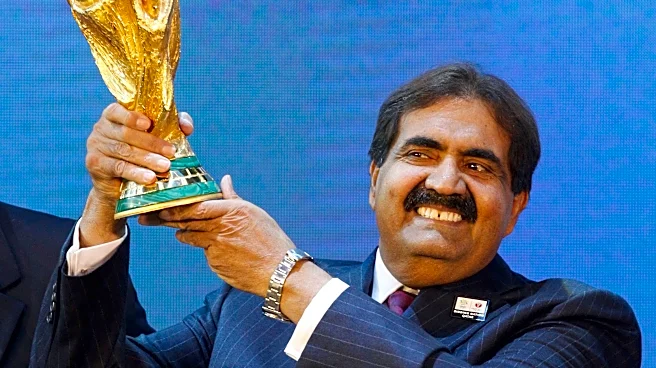
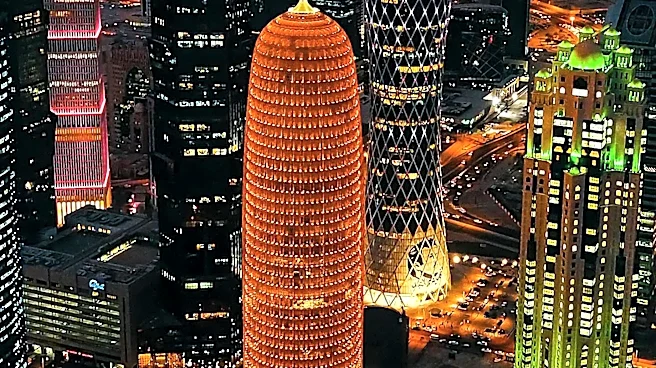
The Qatar Investment Authority (QIA), a significant shareholder in Volkswagen, has vetoed a proposed agreement between Volkswagen and Israeli defense company Rafael Advanced Defense Systems. The deal aimed to manufacture components for the Iron Dome missile
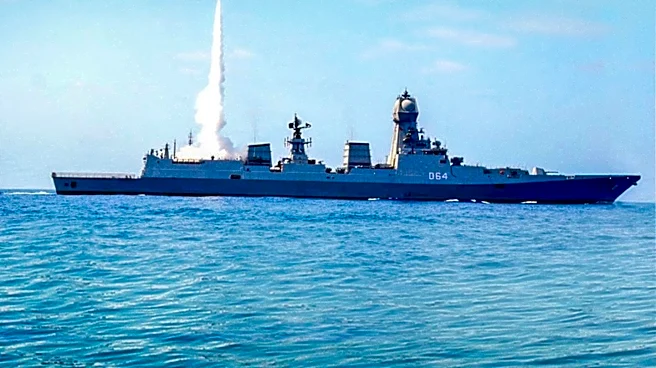
defense system at Volkswagen's Osnabrück plant in Germany. This decision comes despite a letter of intent signed in April to repurpose the struggling plant, which was slated for closure in 2027, potentially saving 2,300 jobs. The QIA, holding 17% of Volkswagen's voting rights, opposed the deal due to geopolitical tensions between Qatar and Israel. The Iron Dome is a mobile air defense system developed by Rafael to intercept short-range rockets, and its components are currently produced in Israel and the U.S. The veto has raised concerns about the influence of foreign investments on European companies, as highlighted by security expert Peter R. Neumann.
Why It's Important?
The veto by Qatar's sovereign wealth fund underscores the complex interplay between international business interests and geopolitical tensions. For Volkswagen, the blocked deal represents a missed opportunity to secure jobs and repurpose a struggling plant, highlighting the challenges faced by companies with significant foreign investment. For Rafael, the decision complicates its efforts to expand Iron Dome production capabilities beyond Israel and the U.S., potentially affecting its strategic goals of reducing production costs and increasing global sales. The situation also raises broader questions about the influence of foreign state-owned entities on European industrial decisions, particularly in the defense sector, where national security considerations are paramount.
What's Next?
Rafael may continue to explore alternative locations for expanding its Iron Dome production, with India being a potential candidate. Establishing a production line in India could allow Rafael to meet local manufacturing requirements and expand its market presence in the region. Meanwhile, Volkswagen will need to reassess its strategy for the Osnabrück plant, potentially seeking other partnerships or business models to secure its future. The situation may prompt European companies to reevaluate their dependency on foreign investments, particularly from regions with complex geopolitical dynamics.