





What's Happening?
The United States men's national soccer team (USMNT) has evolved into a diverse and talented group, reflecting the varied pathways players have taken to reach the national level. Historically, the U.S. soccer system has been criticized for its lack of
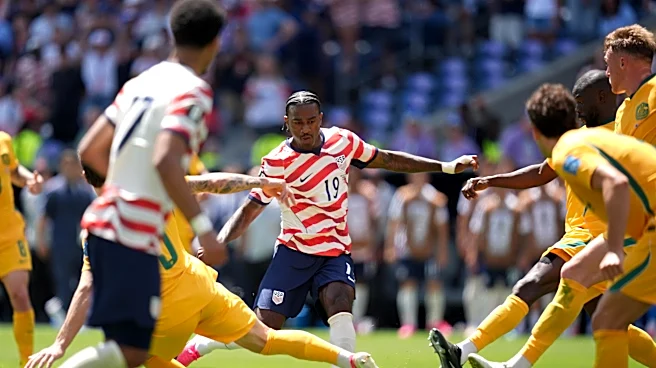
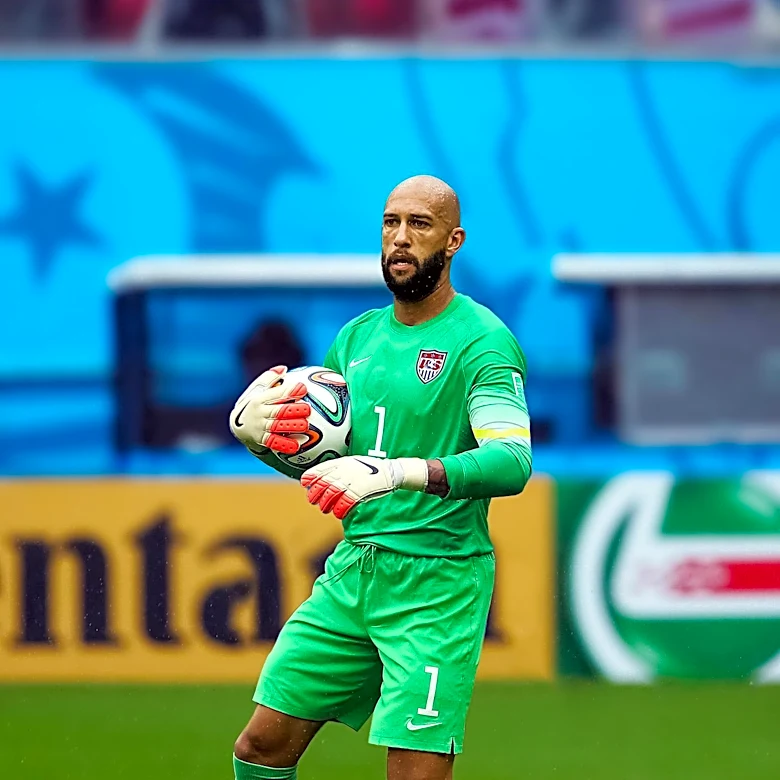
coherence, with different regions playing distinct styles due to climatic and cultural differences. However, this diversity has become a strength for the USMNT. Players have emerged from various backgrounds, including college soccer, Major League Soccer (MLS) academies, and international clubs. The team includes individuals like Christian Pulisic, who bypassed college to play in Europe, and others like Tim Ream, who benefited from the collegiate system. The team's diversity is further enriched by players with dual nationalities and those born to American servicemen abroad. This mix of backgrounds has contributed to a team that is not only diverse in its composition but also in its playing style and approach.
Why It's Important?
The diversity within the USMNT highlights the potential benefits of a multifaceted approach to player development. By embracing various pathways, the U.S. soccer system can tap into a broader talent pool, potentially leading to a more competitive national team on the global stage. This approach challenges the traditional notion that a unified, single-pathway system is necessary for success. The team's composition also reflects broader societal values of inclusivity and diversity, which can resonate with fans and foster a sense of national pride. Moreover, the success of such a diverse team could influence other sports and industries to adopt more inclusive practices, recognizing the value of varied experiences and backgrounds.
What's Next?
As the USMNT prepares for future competitions, including the 2026 World Cup, the focus will likely remain on maintaining and enhancing this diversity. The U.S. Soccer Federation may continue to support multiple development pathways, ensuring that players from all backgrounds have the opportunity to reach the national team. This could involve further investment in youth academies, college programs, and international scouting. Additionally, the team's success could prompt discussions about how to address existing barriers within the U.S. soccer system, such as the high cost of youth participation, which can limit access for lower-income families. Stakeholders, including policymakers and soccer organizations, may need to collaborate to create a more equitable system that supports talent development across all demographics.
Beyond the Headlines
The USMNT's diversity also raises important questions about identity and representation in sports. As the team continues to succeed, it may challenge stereotypes and preconceived notions about what it means to be an American athlete. This could have broader cultural implications, encouraging a more inclusive understanding of American identity. Additionally, the team's composition may inspire young athletes from diverse backgrounds to pursue soccer, knowing that there are multiple pathways to success. This could lead to increased participation in the sport, further enriching the talent pool and strengthening the U.S. soccer system in the long term.