

What's Happening?
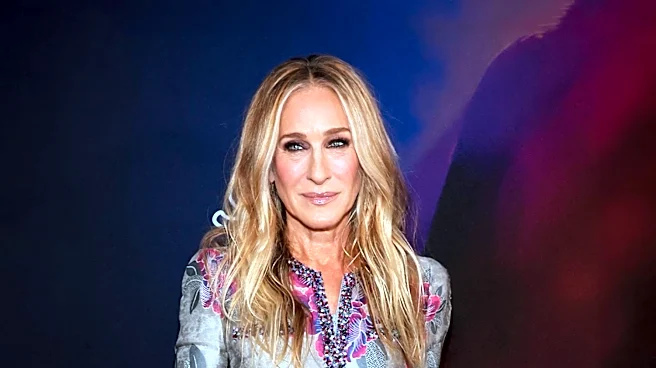
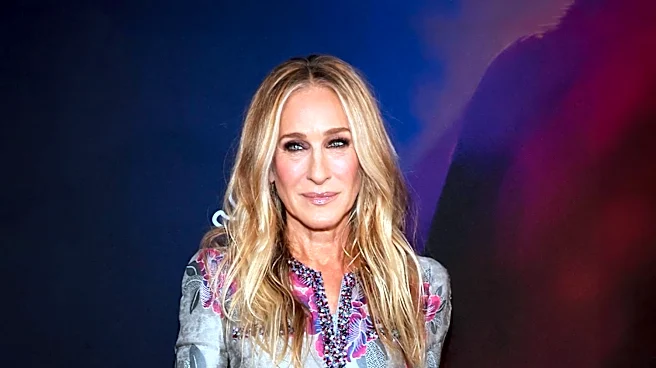
Sarah Jessica Parker is noted for embracing a hair coloring method called 'grey blending,' which allows her natural grey hair to grow out gradually with reduced maintenance. This technique, also adopted by celebrities like Julianne Moore and Naomi Watts,
involves a bespoke combination of tint and fine 'micro' highlights or soft, semi-permanent color to blend greys with natural hair color. Leading hair colorists, such as Zoe Irwin and Hannah Gayle, highlight that this approach creates a sophisticated and polished look, making the grey appear intentional and dynamic. Parker herself has previously commented on the public's reaction to her grey hair, expressing a desire for less emphasis on her 'bravery' for not constantly coloring it, citing time constraints. The method aims to break the cycle of frequent root touch-ups, offering a softer grow-out process and allowing individuals to go longer between salon visits.
Why It's Important?
The adoption of grey blending by prominent figures like Sarah Jessica Parker signifies a shift in beauty standards and societal perceptions of aging, particularly for women in the public eye. This trend challenges the long-standing pressure on women to conceal signs of aging, promoting a more natural and low-maintenance approach to beauty. For the beauty industry, this could lead to increased demand for specialized grey blending services and products designed to enhance natural grey hair, such as purple shampoos and conditioning treatments. It also empowers individuals to embrace their natural hair color, potentially reducing the financial and time commitment associated with traditional hair coloring. The visibility of celebrities choosing this path can influence broader cultural acceptance and normalization of grey hair, fostering a more inclusive and realistic representation of beauty.
What's Next?
The growing popularity of grey blending is likely to continue influencing hair care trends and salon services. Hairdressers and colorists may increasingly offer specialized consultations and techniques tailored to this method, focusing on personalized blending strategies. We can anticipate a rise in the development and marketing of products specifically formulated to maintain the vibrancy and health of blended grey hair, including toners, shampoos, and conditioners. Furthermore, as more public figures embrace their natural grey, there may be a sustained cultural shift towards celebrating natural aging, potentially leading to a broader re-evaluation of beauty ideals in media and advertising. This could encourage more individuals to consider grey blending as a viable and fashionable option for managing their hair color.
Beyond the Headlines
Beyond its aesthetic appeal, the grey blending trend carries deeper implications for self-acceptance and body positivity. It challenges the notion that youthfulness is the sole standard of beauty, encouraging individuals to embrace their natural appearance at all stages of life. This movement can foster a sense of liberation from the constant pursuit of anti-aging measures, promoting mental well-being and self-confidence. Ethically, it raises questions about the beauty industry's role in perpetuating unrealistic standards and the potential for a more inclusive approach that caters to diverse preferences. Culturally, it reflects a broader societal conversation about authenticity and the value placed on natural beauty, potentially influencing how aging is perceived and represented across various platforms.