
What's Happening?
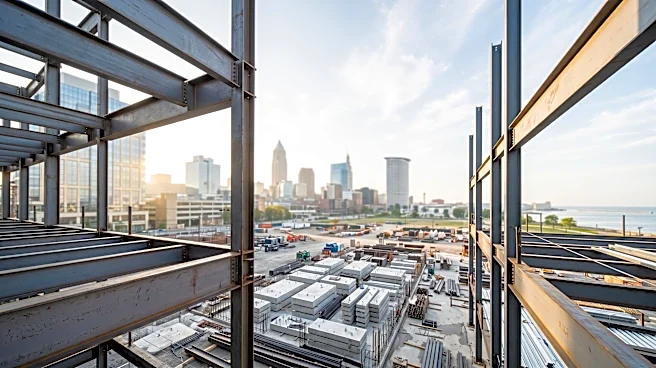
Dan Gilbert's real estate firm, Bedrock, has initiated construction on the new Cleveland Riverfront Amphitheater, a 6,200-capacity outdoor music venue situated along the Cuyahoga River in downtown Cleveland.
This amphitheater is a key component of Bedrock's extensive $3.5 billion, 35-acre riverfront redevelopment project. The groundbreaking ceremony, held on November 10, brought together prominent figures from sports, entertainment, business, and civic leadership, including Nic Barlage, CEO of Rock Entertainment Group and the Cleveland Cavaliers; Jared Fleisher, CEO of Bedrock; executives from Live Nation; Mayor Justin M. Bibb; Cuyahoga County Executive Chris Ronayne; and Governor Mike DeWine. The venue is strategically located adjacent to the Cleveland Cavaliers’ new Cleveland Clinic Global Peak Performance Center, a sports performance and medical facility. The project is a collaborative effort between Rock Entertainment Group, Gilbert’s sports and entertainment organization, and Live Nation, which will manage operations and bookings. The architectural design is being handled by DLR Group, with support from Live Nation’s Blueprint Studio, and features two levels of seating, a canopy, VIP areas, outdoor dining, and dedicated artist facilities with river and skyline views.
Why It's Important?
This development signifies a substantial investment in Cleveland's urban landscape and economy. The Cleveland Riverfront Amphitheater alone is projected to generate nearly $59 million in annual economic impact, contributing significantly to the city's revenue and job market. The broader $3.5 billion redevelopment project aims to revitalize a large section of the riverfront, enhancing Cleveland's appeal as a destination for entertainment and tourism. The collaboration between Bedrock, Rock Entertainment Group, and Live Nation leverages expertise in real estate, sports, and live entertainment, suggesting a well-coordinated effort to maximize the project's success. The integration of the amphitheater with the Cleveland Clinic Global Peak Performance Center also points to a strategic vision for creating a dynamic hub that combines sports, health, and entertainment, potentially attracting a diverse range of visitors and residents. This initiative could serve as a model for urban revitalization efforts in other U.S. cities looking to leverage their waterfronts and cultural assets for economic growth.
What's Next?
The Cleveland Riverfront Amphitheater is anticipated to open in the summer of 2028. Over the next few years, construction will continue, with ongoing efforts to develop the surrounding 35-acre riverfront area. Live Nation will be responsible for operating the venue and managing its booking schedule, which will involve securing a diverse lineup of musical acts and events to attract audiences. The success of this project could influence future urban development strategies in Cleveland and potentially other cities, particularly regarding public-private partnerships and large-scale mixed-use developments. Local government and community stakeholders will likely monitor the project's economic impact and its contribution to the city's cultural vibrancy. Further announcements regarding specific events and additional features of the broader redevelopment are expected as the project progresses towards its completion.
Beyond the Headlines
The redevelopment project, spearheaded by Dan Gilbert, extends beyond mere economic impact, aiming to reshape Cleveland's identity and public spaces. The transformation of the riverfront into a vibrant entertainment and recreational hub could foster a stronger sense of community and civic pride. The emphasis on outdoor dining and public spaces suggests a move towards creating more accessible and engaging urban environments, which can improve quality of life for residents. Furthermore, the project's scale and the involvement of major entities like Bedrock and Live Nation highlight a growing trend of private investment driving significant urban renewal initiatives. This could also raise questions about equitable development and ensuring that the benefits of such large-scale projects are distributed broadly across the community, not just to specific economic sectors or demographics. The long-term success will depend on sustained community engagement and the ability to adapt to evolving urban needs and preferences.