



What's Happening?
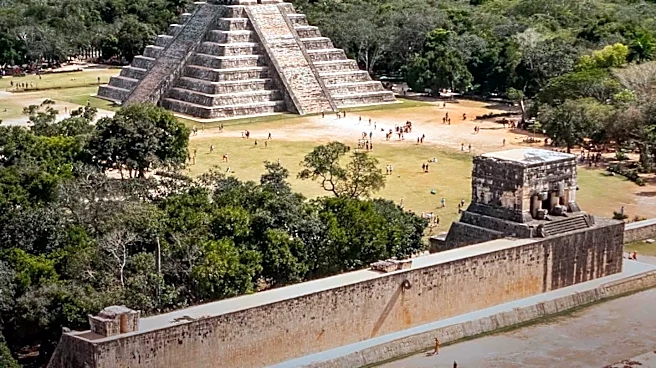
Mexico's Yucatán region is actively developing its wellness tourism sector, creating new opportunities for local businesses and travel experiences. The initiative focuses on specialized health, relaxation, and cultural offerings deeply connected to Mayan
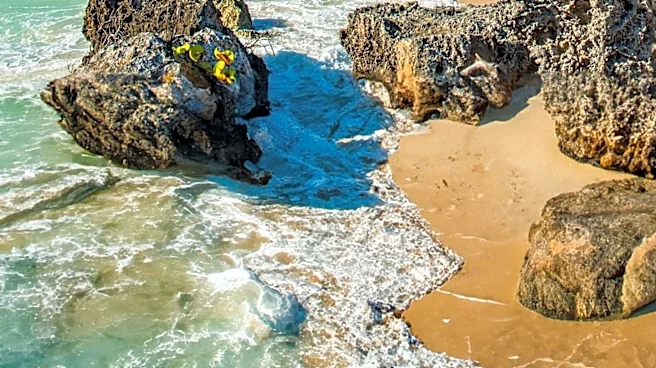
heritage, natural landscapes, and peaceful retreats. Through industry events, tourism partnerships, and future development plans, Yucatán aims to build a stronger visitor economy centered on holistic experiences. This strategy is designed to help local entrepreneurs, hospitality providers, and wellness service operators access new markets while offering travelers more meaningful ways to engage with the destination through well-being, culture, and sustainable tourism. The region is moving beyond traditional sightseeing by creating experiences that connect visitors with nature, local traditions, and wellness-focused activities, thereby supporting sustainable tourism growth and opening new opportunities across Yucatán.
Why It's Important?
The rise of wellness tourism in Mexico's Yucatán region presents a significant development for the U.S. travel market and its consumers. As a popular destination for American tourists, Yucatán's enhanced focus on wellness, particularly those offerings rooted in Mayan heritage and natural settings, provides new and appealing options for U.S. travelers seeking more than conventional vacations. This trend aligns with a growing demand among U.S. consumers for authentic, culturally immersive, and health-conscious travel experiences. For U.S. travel agencies and tour operators, this creates opportunities to develop and market specialized packages catering to this niche. Furthermore, the emphasis on sustainable tourism and local business involvement in Yucatán could influence U.S. travelers' choices, favoring destinations that demonstrate responsible tourism practices. The development of a dedicated Wellness Tourism Board and an industry cluster roadmap for 2027 in Yucatán indicates a structured and long-term commitment, suggesting a stable and expanding market for U.S. visitors interested in this type of travel.
What's Next?
Yucatán's ongoing efforts are expected to lead to the creation of a dedicated Wellness Tourism Board, known as the Mesa de Turismo Wellness, which will coordinate future projects and strengthen cooperation among stakeholders. Plans are also underway for an industry cluster roadmap for 2027, providing a structured direction for expanding wellness-related businesses and services throughout the state. The region will continue to showcase its wellness, health, and retreat offerings to international visitors, including seasonal travelers arriving in Progreso, through initiatives like the 'Yucatán Wellness: Havens of Peace' presentation. This sustained focus on combining ancient traditions with modern wellness concepts, alongside natural beauty, aims to establish Yucatán as a recognized destination for wellness-focused travelers worldwide. This will likely result in a continuous influx of new, specialized travel experiences and infrastructure designed to cater to the evolving preferences of wellness tourists.
Beyond the Headlines
The Yucatán's strategy to integrate Mayan heritage into its wellness tourism offerings carries deeper cultural and ethical implications. It represents an opportunity to respectfully showcase and preserve indigenous traditions, moving beyond superficial cultural displays to provide authentic, meaningful experiences. This approach can foster a greater appreciation among international visitors, including those from the U.S., for the rich history and spiritual practices of the Mayan people. However, it also raises questions about ensuring that the economic benefits genuinely reach local communities and that cultural practices are not commodified or diluted in the process. The focus on sustainable tourism development suggests a commitment to environmental preservation, which is crucial for maintaining the natural beauty that attracts wellness seekers. This model could serve as a blueprint for other destinations looking to leverage their unique cultural and natural assets for tourism while promoting responsible and respectful engagement.