






What's Happening?
Experts are highlighting a common misconception among women regarding bone health, emphasizing that while calcium and vitamin D are important, resistance training is a critical, often overlooked, component for preserving bone density and muscle mass.
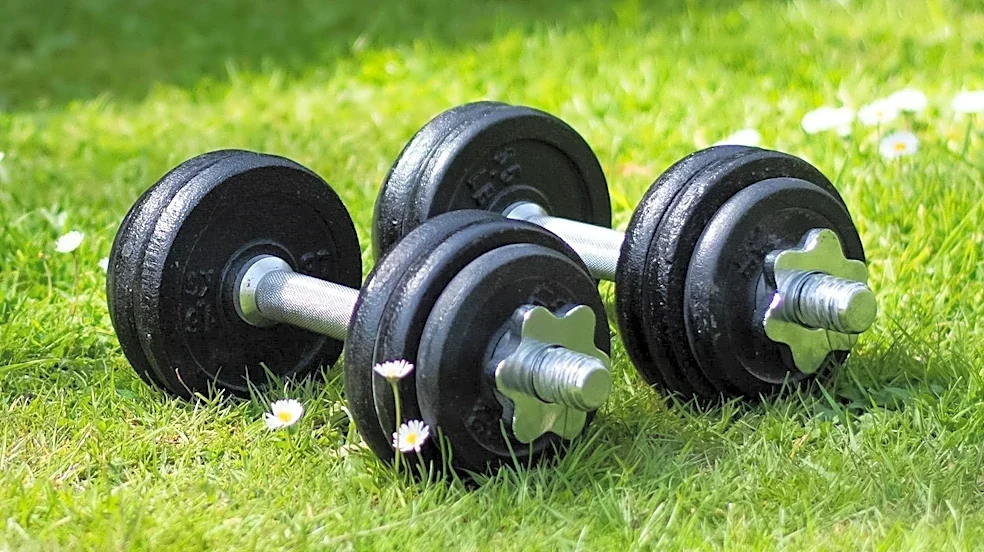
Women typically begin losing bone density and muscle mass around age 30, a process that accelerates significantly during menopause due to declining estrogen levels, leading to up to a 20% deterioration in bone mass and increased risk of osteoporosis and fractures. Christina Hacking, PA-C, Aspirus Health, notes that resistance training is one of the most effective ways to slow these changes, promoting stronger bones and muscles for better physical activity, mobility, and independence. The American College of Sports Medicine recently updated its recommendations, advocating for training all major muscle groups at least twice weekly, using various methods like free weights, machines, bands, or bodyweight exercises.
Why It's Important?
This information is crucial for public health in the U.S., particularly for women, as it addresses a significant health concern that impacts quality of life and longevity. Osteoporosis and related fractures pose a substantial burden on the U.S. healthcare system, both in terms of direct medical costs and indirect costs associated with disability and lost productivity. By promoting resistance training, healthcare providers and public health initiatives can empower women to take proactive steps in managing their bone health, potentially reducing the incidence of osteoporosis and fall-related injuries. This can lead to a healthier aging population, decreased healthcare expenditures, and improved overall well-being for women across the country. The updated recommendations from the American College of Sports Medicine provide clear, actionable guidance for individuals and fitness professionals.
What's Next?
Healthcare providers, including primary care physicians and OB-GYNs, are encouraged to discuss the benefits of resistance training with their female patients, especially those approaching or in menopause. Public health campaigns and fitness organizations may increase their focus on educating women about effective resistance training methods and integrating these into their routines. There could be a rise in demand for fitness programs tailored to women's bone health, emphasizing safe and effective strength training. Research may continue to explore optimal resistance training protocols for different age groups and health conditions. The long-term goal is to shift the perception of strength training from solely a fitness trend to a fundamental component of women's long-term health investment, leading to a more active and independent aging population.
Beyond the Headlines
The emphasis on resistance training for bone health goes beyond physical benefits, touching upon broader societal implications. It challenges traditional notions of aging, promoting an active and empowered approach rather than passive acceptance of decline. This shift can foster greater independence for older women, reducing reliance on caregivers and healthcare services. Ethically, it underscores the importance of accessible and inclusive fitness resources for all women, regardless of age or physical ability. Culturally, it could help destigmatize strength training for women, encouraging broader participation and challenging gender stereotypes in fitness. The long-term impact could be a more robust and resilient female population, contributing more actively to society and experiencing a higher quality of life in their later years.