



What's Happening?
Nike Inc. president and chief executive officer Elliott Hill announced a strategic shift for the Jordan Brand, acknowledging that the company has been 'oversupplying iconic retro product.' This oversupply has negatively impacted the business and its profitability.
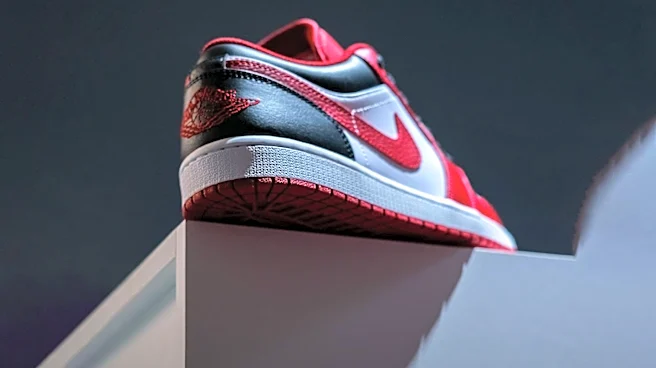
In the first quarter of fiscal 2027, the Jordan Brand constituted 13 percent of Nike's global business, experiencing a mid-teens revenue decline during that period. Hill stated that Nike intends to revert to a scarcity model for Jordan Brand footwear, similar to its approach with the Air Jordan 1. This involves a deliberate reduction in the volume and frequency of specific Jordan Retro launches. The company has communicated this strategy to its wholesale partners, aiming to rebalance the marketplace and establish a foundation for more profitable and sustainable growth. Dick's Sporting Goods executive chairman Ed Stack supported Nike's decision, despite anticipating short-term challenges, particularly for its Foot Locker banner.
Why It's Important?
This strategic pivot by Nike's CEO Elliott Hill is significant for the athletic footwear market and its stakeholders. By reducing the supply of Jordan retro products, Nike aims to restore brand exclusivity and perceived value, which could lead to increased demand and higher profit margins in the long term. The previous oversupply had diluted the brand's appeal and impacted its financial performance. For wholesale partners like Dick's Sporting Goods and Foot Locker, the immediate impact may be a 'painful' short-term adjustment as they navigate reduced inventory of popular Jordan products. However, in the long run, a healthier, more exclusive Jordan Brand could benefit these retailers through stronger consumer demand and potentially higher resale values. This move also signals Nike's commitment to brand management and sustainable growth over short-term sales volume, influencing how other major brands might manage their iconic product lines.
What's Next?
In the immediate future, wholesale partners like Dick's Sporting Goods and Foot Locker are expected to experience a 'little bit of pain' as Nike implements its strategy to reduce Jordan Retro product volume. These retailers will need to adjust their inventory and sales strategies to account for the decreased availability of these popular items. Dick's Sporting Goods, for instance, is already working with other brands to offset the anticipated impact from the Jordan Brand changes. Over the longer term, Nike anticipates that this strategy will restore balance to the marketplace, leading to more profitable and sustainable growth for the Jordan Brand. The success of this initiative will likely be measured by future financial reports, brand perception metrics, and the overall health of the Jordan Brand's market presence. Other brands in the athletic apparel and footwear industry will likely observe Nike's approach and its outcomes closely.
Beyond the Headlines
Nike's decision to reduce the volume of Jordan Retro products under CEO Elliott Hill's direction reflects a broader industry trend towards managing brand scarcity and exclusivity in the face of mass production. This move highlights the delicate balance between meeting consumer demand and preserving brand prestige. In an era where rapid production and widespread availability can sometimes dilute a brand's allure, Nike is re-emphasizing the 'scarcity model' that initially contributed to the Jordan Brand's iconic status. This strategy could influence consumer behavior, potentially fostering a more competitive secondary market for limited-edition releases and reinforcing the cultural significance of certain sneaker models. Ethically, it raises questions about accessibility versus exclusivity in consumer goods, and how brands leverage perceived rarity to drive value and desire. This shift could also set a precedent for how other heritage brands manage their product lifecycles and market positioning in a dynamic retail landscape.