




What's Happening?
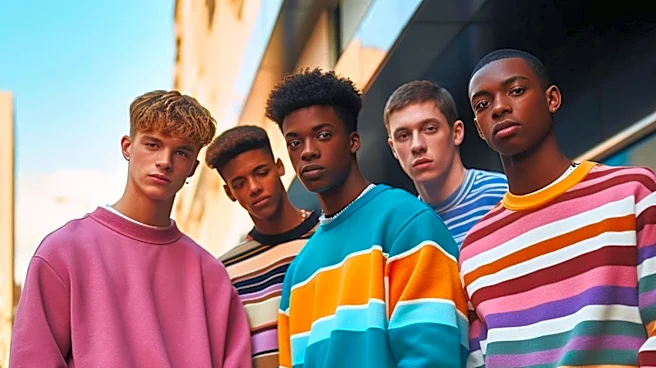
Some Gen Z men on TikTok are adopting a trend called 'pheromone-maxxing,' which involves skipping showers and forgoing deodorant in the belief that their natural body odor will make them more attractive to potential partners. Users on the platform claim
that not washing their hair or using cologne has led to more compliments on their natural scent. This practice stems from the idea that human pheromones, chemical signals influencing behavior, can enhance romantic attraction. However, psychologists and dermatologists, including Dr. Shereen Teymour, a board-certified dermatologist, state that while humans produce individual chemical odors, there is no scientific evidence to support the claim that skipping showers increases desirability. Pamela Dalton, a psychologist and olfactory scientist, explains that while scent plays a role in attraction, the link between human pheromones and romantic attraction has not been established in the same way it is in animal species. Dr. Teymour clarifies that not showering primarily leads to 'bacteria-maxxing,' not pheromone enhancement.
Why It's Important?
This 'pheromone-maxxing' trend highlights a concerning intersection of social media influence, misinformation, and personal hygiene practices among a segment of Gen Z men. The spread of unverified claims on platforms like TikTok can lead individuals to adopt potentially unhealthy behaviors based on pseudoscience. From a public health perspective, neglecting personal hygiene can lead to skin issues, body odor, and potentially contribute to the spread of bacteria. Socially, this trend could impact interpersonal relationships and perceptions of attractiveness, potentially creating unrealistic expectations or discomfort. For the beauty and personal care industry, such trends could influence consumer behavior, with some individuals potentially reducing their use of hygiene products, while others might seek out products marketed with 'pheromone' claims, regardless of scientific backing. The phenomenon also underscores the broader challenge of distinguishing credible scientific information from viral social media trends, particularly among younger demographics who heavily rely on these platforms for information and social cues.
What's Next?
The 'pheromone-maxxing' trend is likely to continue evolving on social media platforms, potentially gaining or losing traction depending on user engagement and counter-narratives. Health professionals and dermatologists will likely continue to issue warnings and provide evidence-based information regarding proper hygiene and the science of human attraction to counteract misinformation. Social media platforms may face increased pressure to moderate content that promotes potentially unhealthy or unscientific practices. The personal care industry might respond by emphasizing the health and social benefits of their products, or by developing new marketing strategies to address the misconceptions perpetuated by such trends. Educational initiatives aimed at improving media literacy and critical thinking skills among young people could also play a crucial role in helping them evaluate information encountered online and make informed decisions about their health and well-being.
Beyond the Headlines
The 'pheromone-maxxing' trend delves into deeper societal anxieties and aspirations related to attractiveness and social connection. It reflects a desire, particularly among young men, to find unconventional ways to enhance their appeal, possibly driven by pressures to stand out or achieve perceived social success. The trend's roots in the 'looksmaxxing' community, which advocates for extreme methods to achieve physical attractiveness, suggest a broader cultural phenomenon where individuals are willing to experiment with unproven or even harmful practices in pursuit of an idealized self-image. This raises questions about body image, self-esteem, and the influence of online communities in shaping personal behaviors. Ethically, it highlights the responsibility of social media platforms to curate content that does not promote potentially misleading or detrimental practices. Culturally, it points to a fascination with biological determinism in attraction, even when scientific evidence is lacking, and the ongoing human quest for shortcuts to desirability. The trend also underscores the importance of promoting accurate scientific literacy to counter the spread of pseudoscientific health and wellness claims.