








What's Happening?
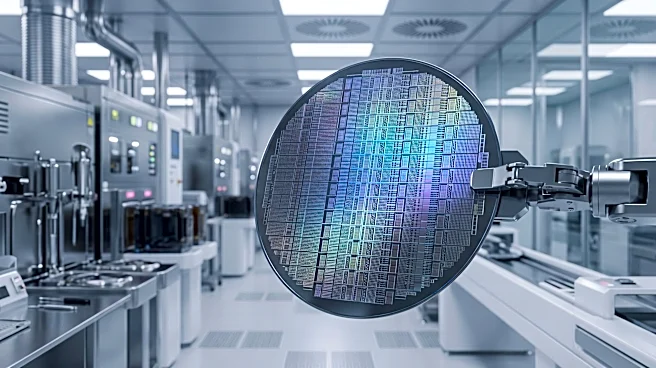
Japanese silicon manufacturer Tokuyama is expanding its production capabilities for semiconductor-grade polysilicon by establishing new facilities in Vietnam and Malaysia. The Vietnam plant, which recently opened, will process polysilicon for semiconductor wafers,
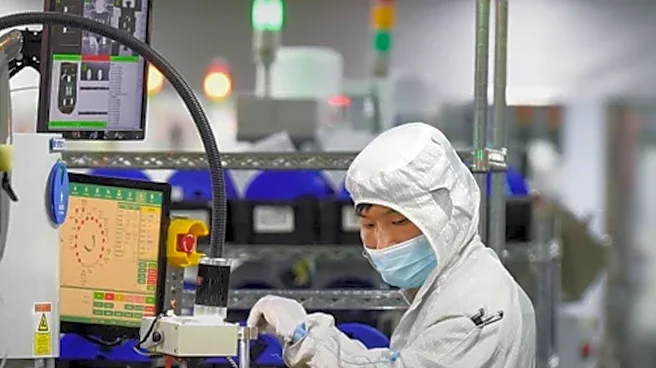
with Tokuyama investing $60 million. Commercial operations are expected to begin in 2027, aiming for an annual production of 4,000 tons. Concurrently, Tokuyama is constructing a polysilicon production plant in Malaysia in collaboration with South Korea's OCI, with an estimated total investment of $300 million. This Malaysian facility is slated for completion by spring of next year. These expansions are a strategic move to diversify Tokuyama's supply chain, as the company currently relies heavily on its production facility in Japan. The Japanese government has supported the Vietnam investment with a $25.2 million subsidy. Once both new plants are operational, Tokuyama's total production capacity is projected to increase by 50 percent, reaching 12,500 tons annually.
Why It's Important?
This expansion by Tokuyama is significant for the global semiconductor industry, particularly in the context of increasing demand for semiconductor materials and the ongoing push for supply chain resilience. Tokuyama, a major player ranking third globally in semiconductor-grade polysilicon production with approximately 20 percent market share, anticipates that demand will exceed its Japanese plant's capacity around 2027. The additional output from the Vietnam and Malaysia facilities is expected to be fully absorbed within three to four years, highlighting the critical need for increased production. The diversification of manufacturing locations, especially in Southeast Asia, addresses lessons learned from the COVID-19 pandemic, which exposed vulnerabilities in concentrated supply chains. This move helps stabilize the supply of crucial materials for semiconductor manufacturing, which is vital for various U.S. industries reliant on advanced electronics, including technology, automotive, and defense. A more robust and diversified supply chain for polysilicon can mitigate risks of shortages and price volatility, ultimately benefiting U.S. consumers and businesses by ensuring a more consistent availability of electronic components.
What's Next?
The Vietnam plant is scheduled to commence commercial operations in 2027, while the Malaysian facility, a joint venture with OCI, is expected to be completed by spring of next year. Following the completion and operationalization of both plants, Tokuyama's total polysilicon production capacity will significantly increase, aiming to meet the anticipated surge in global demand. The company expects the additional output to be fully utilized within three to four years, indicating a sustained high demand for semiconductor materials. This expansion will likely lead to a more diversified and resilient global supply chain for polysilicon, potentially influencing pricing and availability in the semiconductor market. Other major players in the silicon tetra chloride market, such as DowDuPont, Momentive, and Hemlock Semiconductor, may observe Tokuyama's strategy and consider similar expansions or partnerships to secure their market positions and address growing demand, particularly in the Asia Pacific region, which is projected to be a key growth area.
Beyond the Headlines
The strategic expansion by Tokuyama into Southeast Asia reflects a broader geopolitical and economic trend of de-risking supply chains, moving away from over-reliance on single regions or countries. This shift is driven by recent global disruptions and increasing geopolitical tensions, which have underscored the fragility of highly centralized manufacturing. The Japanese government's subsidy for the Vietnam investment further illustrates a national interest in securing critical material supplies and fostering international partnerships to achieve this. This move could also catalyze further investment in semiconductor manufacturing infrastructure across Southeast Asia, transforming the region into a more significant hub for high-tech production. For the U.S., a more geographically diversified supply of semiconductor materials reduces vulnerability to disruptions in any single region, enhancing national security and economic stability. It also highlights the increasing importance of international collaborations in maintaining the global technology ecosystem, where companies like Tokuyama and OCI play crucial roles in ensuring the foundational components for advanced electronics are readily available.