




What's Happening?
Freeport-McMoRan Inc. (NYSE:FCX) reported third-quarter results that surpassed analyst earnings estimates, driven by robust copper and molybdenum prices. This positive financial performance occurred despite lower production volumes as the company continues
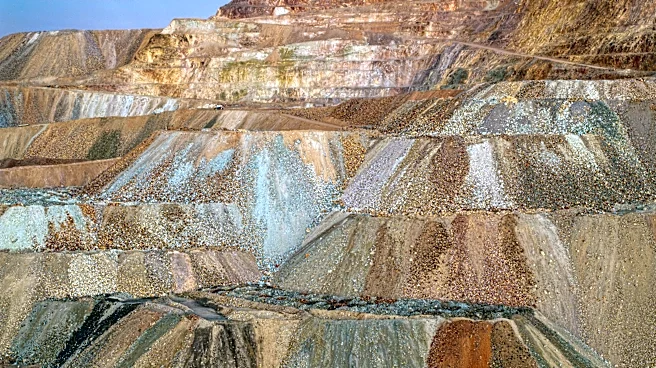
the recovery of its Grasberg operations in Indonesia. The Phoenix-based mining giant also provided an optimistic outlook, forecasting substantial copper sales growth over the next two years. Consolidated copper and gold production aligned with expectations, and copper sales were close to the company's earlier projections. Management highlighted that favorable pricing for copper and molybdenum significantly contributed to strong margins and bottom-line results. Average realized copper prices were notably above historical levels, and molybdenum prices saw a sharp increase compared to the previous year. Gold sales were lower than production in Q3 due to a deferral of refined gold from Indonesia into the fourth quarter, which is expected to boost Q4 gold sales. The Grasberg Block Cave mining operation is progressing as planned, with expectations to reach a significant portion of its capacity by mid-next year and full capacity by the end of next year. The Eastern Java smelter, which had been temporarily suspended, restarted in late August and is ramping up as anticipated.
Why It's Important?
Freeport-McMoRan's strong third-quarter performance and positive outlook are significant indicators for the global copper market and the broader U.S. industrial sector. As one of the world's largest publicly traded copper producers, FCX's trajectory often reflects trends in global industrial demand. The anticipated increase in copper sales over the next two years, largely driven by the Grasberg recovery, signals potential stability and growth in copper supply. This is crucial given copper's essential role in electrical wiring, power grids, electric vehicles, renewable energy systems, and data centers. Rising investments in electrification and AI infrastructure are increasing long-term copper demand, while new supply has been slow to materialize. Freeport-McMoRan's ability to ramp up production and maintain strong pricing helps meet this growing demand, potentially mitigating price volatility and supporting industries reliant on copper. The company's strategic investments in its Americas operations, including the leach initiative and the potential expansion of its Bagdad mine, further underscore its commitment to long-term supply growth, which benefits various U.S. manufacturing and technology sectors.
What's Next?
Freeport-McMoRan anticipates significant copper sales growth in the coming year and the year after, primarily propelled by the ongoing recovery and ramp-up of its Grasberg operations. The company expects Grasberg to achieve a large share of its capacity by mid-next year and approach full capacity by the end of next year. The Eastern Java smelter's continued ramp-up will also be a key factor in future production and sales. Investors and industry observers will closely monitor the pace of the Grasberg recovery, the smelter's operational stability, and unit costs, which management expects to decrease as production volumes rise. Additionally, the company is moving towards an investment decision on a major expansion of the concentrator at its Bagdad mine in Arizona, which could further boost copper and molybdenum output. Weather conditions and operational reliability at its American mines will also remain critical factors influencing future performance. The timing of gold sales, with deferred volumes from Q3 expected to benefit Q4, will also be a point of interest in upcoming financial reports.
Beyond the Headlines
The successful recovery of Freeport-McMoRan's Grasberg operations and its projected copper sales growth highlight broader geopolitical and economic implications. The company's strong relationship with the Indonesian government, which owns a significant stake in PT Freeport Indonesia, is crucial for long-term operational stability at one of the world's largest copper and gold mining complexes. The restart and ramp-up of the Eastern Java smelter align with Indonesia's industrial policy to process more minerals domestically, reducing reliance on raw concentrate exports. This strategic alignment underscores the complex interplay between global mining companies and national economic development goals. Furthermore, the sustained high prices for copper and molybdenum reflect a global shift towards electrification and advanced technological infrastructure, such as AI data centers. This demand trend suggests a long-term bullish outlook for these critical metals, potentially influencing future investment in mining exploration and development worldwide, and raising questions about sustainable sourcing and environmental impact as production scales up to meet global needs.