


What's Happening?
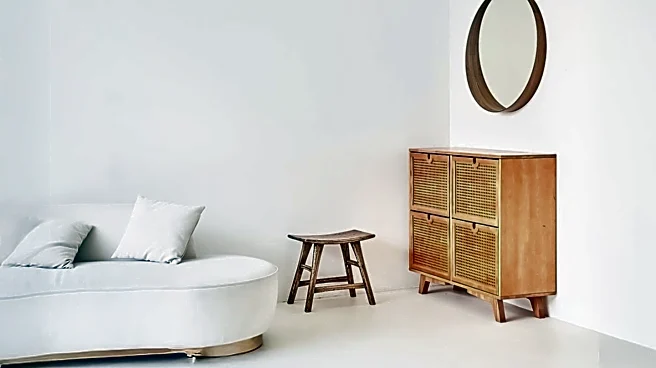
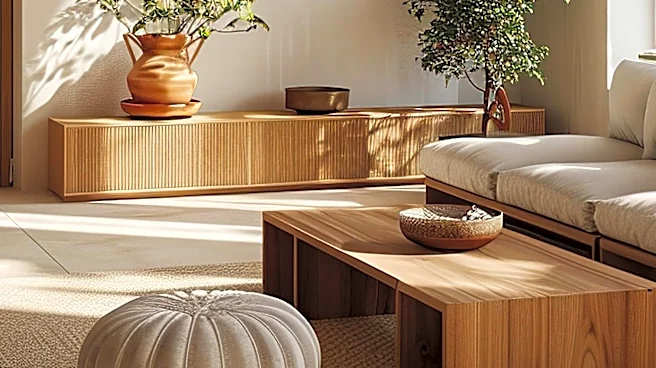
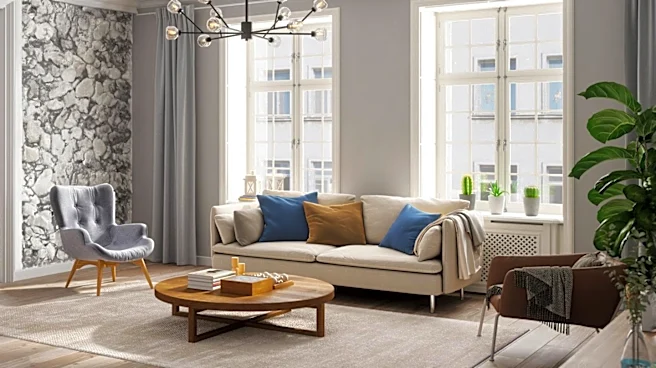
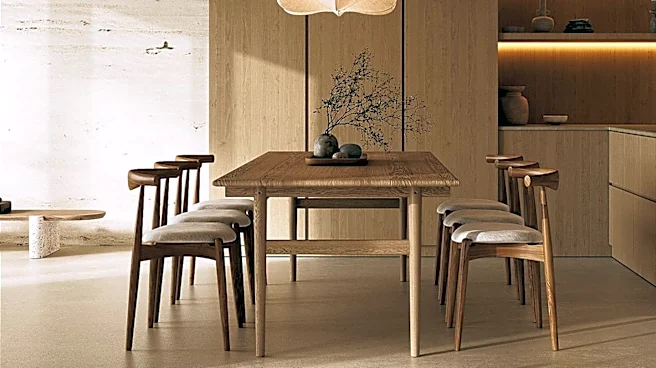
Japandi, a new interior design style, is gaining prominence by combining Japanese-inspired restraint with Scandinavian functionality and warmth. This hybrid approach emphasizes natural materials, clean-lined furniture, muted color palettes, layered textiles,
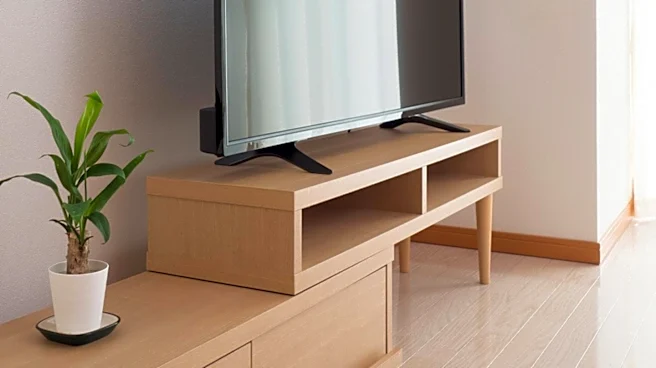
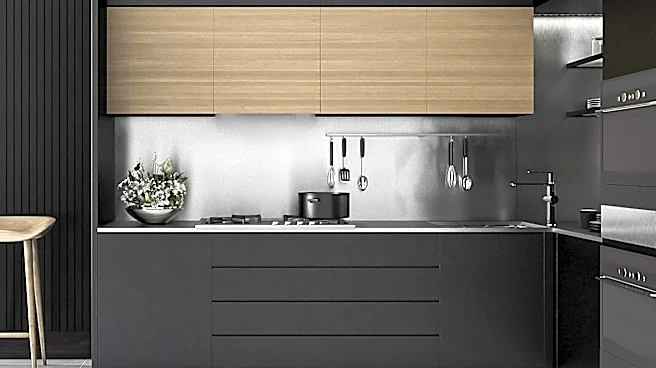
and purposeful storage. Key elements include oak, ash, walnut, linen, cotton, paper, stone, and ceramic materials, alongside quiet colors such as ivory, sand, mushroom, taupe, muted green, and charcoal. Furniture is typically simple and clean-lined, often low to the ground, reflecting both Japanese minimalism and Scandinavian practicality. The style prioritizes functional room layouts, comfortable bedding in neutral tones, appropriate lighting, and a limited number of well-made decorative objects, creating calm and uncluttered spaces. It distinguishes itself from pure minimalism by focusing on warmth and comfort, and from traditional Scandinavian design by incorporating more disciplined, often darker, elements.
Why It's Important?
The rise of Japandi style signifies a broader shift in U.S. interior design preferences towards more mindful and sustainable living. This trend impacts the furniture, home decor, and construction industries, as demand grows for natural materials, handcrafted items, and minimalist yet warm aesthetics. Consumers are increasingly seeking designs that promote tranquility and reduce clutter, aligning with a desire for less consumerism and more intentional living spaces. This could lead to increased market opportunities for manufacturers and retailers specializing in sustainable, high-quality, and artisan-crafted goods. Furthermore, the emphasis on functionality and efficient storage in Japandi design addresses the needs of urban dwellers and those with smaller living spaces, making it a practical and appealing choice for a significant portion of the U.S. housing market. The style's focus on natural elements also resonates with growing environmental consciousness among consumers.
What's Next?
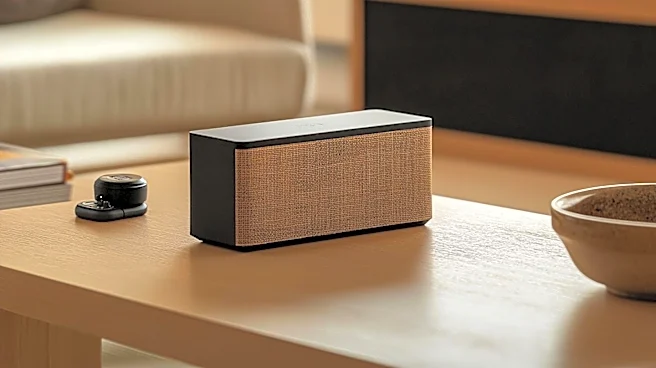
As Japandi style continues to gain traction, expect to see its influence expand across various sectors of the U.S. home and lifestyle market. Interior designers will likely incorporate Japandi principles into more residential and commercial projects, leading to a wider availability of Japandi-inspired furniture and decor collections from major retailers. Educational content and workshops on implementing Japandi design will also likely increase, catering to homeowners and design enthusiasts. Furthermore, the style's emphasis on natural and sustainable materials may drive innovation in manufacturing processes and material sourcing within the industry. We may also see a greater integration of smart home technology that seamlessly blends into the minimalist aesthetic of Japandi, offering functionality without visual clutter. The style's adaptability suggests it could evolve to incorporate regional U.S. influences while maintaining its core principles.
Beyond the Headlines
Beyond its aesthetic appeal, Japandi style reflects deeper cultural and psychological shifts in how Americans view their living environments. The fusion of Japanese wabi-sabi (appreciation of imperfection and transience) and Scandinavian hygge (coziness and well-being) suggests a collective yearning for authenticity, comfort, and peace in an increasingly fast-paced world. This design philosophy encourages a more deliberate approach to consumption, valuing quality over quantity and promoting a sense of calm and mindfulness. Ethically, the emphasis on natural and durable materials supports sustainable practices and reduces waste, aligning with broader environmental movements. Legally, this trend might influence building codes and material standards as demand for specific natural resources increases. Culturally, Japandi represents a globalized design language that transcends geographical boundaries, offering a universal appeal for harmonious living.