





What's Happening?
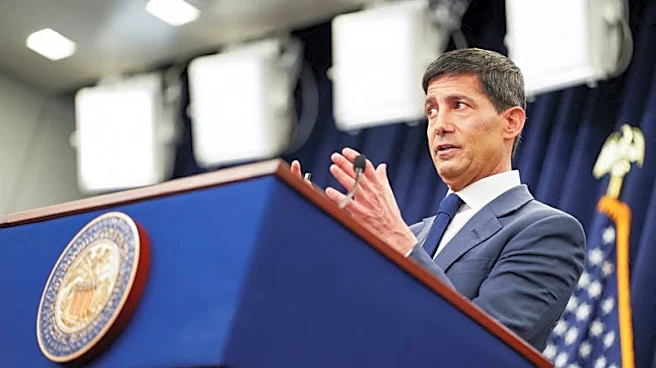
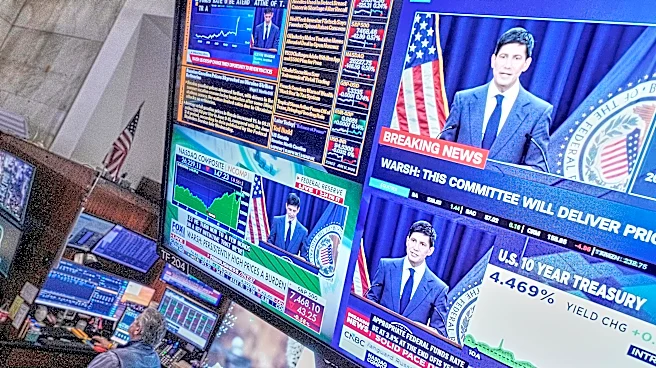
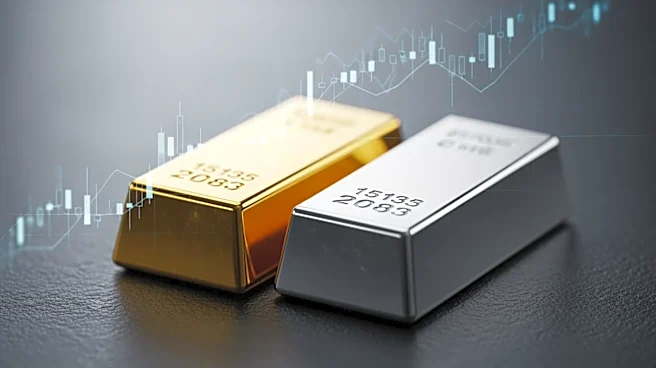
Wall Street bears have regained control following the Federal Reserve's hawkish outlook, which signaled a potential rate hike later in 2026. Gold prices experienced volatility, initially rising due to geopolitical tensions in the Middle East but later declining
as the Fed's stance strengthened the U.S. dollar and Treasury yields. The U.S.-Iran preliminary agreement to end the war and reopen the Strait of Hormuz further reduced gold's safe-haven appeal, leading to a selloff. Despite the bearish sentiment on Wall Street, Main Street investors remain optimistic about gold's prospects.
Why It's Important?
The Federal Reserve's hawkish outlook has significant implications for financial markets, influencing investor sentiment and asset prices. The potential for higher interest rates could strengthen the U.S. dollar, impacting commodities like gold that are priced in dollars. The geopolitical developments in the Middle East, particularly the U.S.-Iran agreement, could lead to reduced oil prices and lower inflationary pressures, affecting global economic stability. The divergence in sentiment between Wall Street and Main Street highlights differing perspectives on market risks and opportunities.
What's Next?
Investors will be closely monitoring the Federal Reserve's future policy decisions and economic data releases to gauge the likelihood of a rate hike. The progress of the U.S.-Iran agreement and its impact on oil prices and geopolitical stability will also be key factors influencing market dynamics. Gold prices may continue to experience volatility as investors weigh the potential for inflation against geopolitical risks and central bank policies.