


What's Happening?
ProPublica has published a database, 'Cash Back,' detailing over $28 billion in tariff refunds recovered or expected by 343 publicly traded companies. This follows a February 2026 Supreme Court ruling that found President Trump's 'emergency' tariffs,
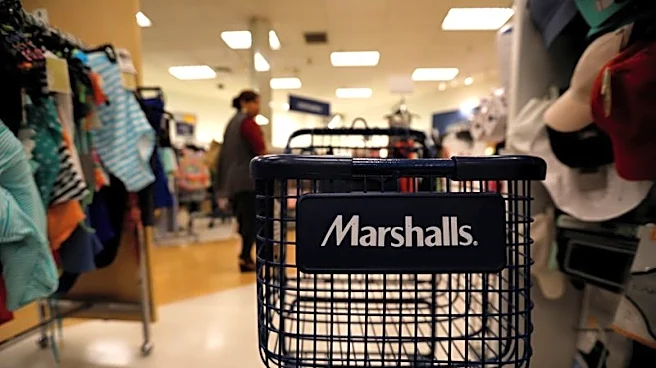
imposed under the International Emergency Economic Powers Act, unauthorized. The U.S. Court of International Trade subsequently ordered U.S. Customs and Border Protection to refund the collected duties. ProPublica compiled this data by analyzing financial disclosures of thousands of publicly traded companies, as the Trump administration had not publicly disclosed which companies were receiving these refunds or the amounts involved. The database includes recognizable businesses such as Stanley Black & Decker, TJ Maxx, Marshalls, and Titleist.
Why It's Important?
The revelation of these significant tariff refunds highlights a substantial financial shift for many U.S. public companies. While the tariffs were initially passed on to consumers through higher prices, the refunds are going directly to the importing companies. This raises questions about how these funds are being utilized, as only a few companies have indicated plans to use the money for bonuses, and none have stated they will refund customers. The lack of transparency from the government regarding these refunds underscores the importance of investigative journalism in holding corporations accountable. The refunds represent a considerable windfall for these companies, potentially impacting their financial performance, investment strategies, and competitive positioning within their respective industries.
What's Next?
The ongoing impact of these refunds will depend on how companies choose to allocate the funds. While some may reinvest in their businesses or distribute bonuses, the broader economic effect on consumers who bore the initial cost of the tariffs remains unclear. ProPublica's database will likely continue to be updated as more information becomes available from company filings. The situation also brings into focus the broader implications of trade policies and their reversal, particularly concerning the distribution of financial gains and losses between corporations and consumers. The public and regulatory bodies may increase scrutiny on how these substantial refunds are managed and whether any portion is directed back to the consumers who ultimately paid the tariffs.
Beyond the Headlines
The tariff refund situation exposes a deeper ethical dilemma regarding corporate responsibility and consumer fairness. When tariffs are imposed, businesses often pass these costs to consumers, effectively making them bear the financial burden. However, when these tariffs are later deemed illegal and refunded, the money typically returns to the corporations, not the individual consumers. This dynamic highlights a systemic issue where the benefits of policy reversals do not necessarily flow back to those who were initially disadvantaged. It also underscores the power imbalance between large corporations and individual consumers in the context of trade policy. The case could fuel discussions about mechanisms to ensure that consumers are compensated when they indirectly bear the costs of policies that are later overturned.