







What's Happening?
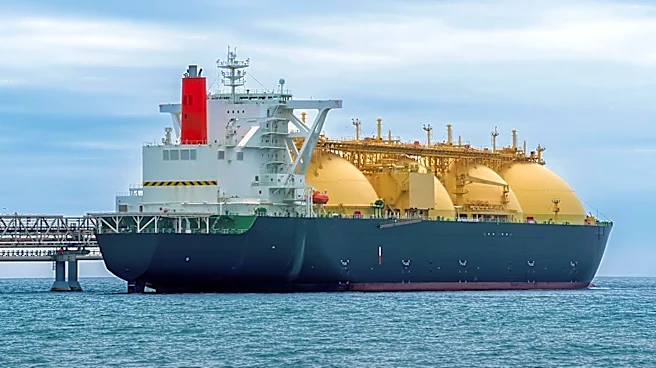
U.S. refiners and oil-producing firms are increasingly signing direct contracts with Venezuela's state-run oil company, PDVSA, to secure crude supplies. This move challenges global trading houses like Vitol and Trafigura, which have previously dominated
Venezuelan oil exports through agreements with Caracas. The shift comes as PDVSA reverts to a business model prioritizing direct supply contracts with joint-venture partners and refineries, a strategy used before U.S. sanctions in 2019. This model aims to secure better prices for PDVSA through longer-term deals. U.S. refiner Phillips 66 resumed buying spot cargoes from PDVSA in May after a seven-year hiatus, and other companies like Valero Energy and Thailand's Tipco Asphalt are expected to follow suit. Venezuela's oil exports have increased to over 1.2 million barrels per day, with expectations to rise further by year-end.
Why It's Important?
The direct contracts between U.S. refiners and PDVSA signify a significant shift in the Venezuelan oil market, potentially altering the dynamics of global oil trade. By bypassing intermediaries, PDVSA could achieve more stable pricing and secure long-term partnerships, which may enhance its financial stability. For U.S. refiners, these contracts provide a reliable source of heavy crude, essential for refining operations. This development could also impact global oil prices and trade flows, as increased Venezuelan exports may influence supply dynamics. Additionally, the move reflects a gradual easing of U.S. sanctions, potentially opening the door for more international engagement with Venezuela's oil sector.
What's Next?
As PDVSA continues to expand its direct contracts, more refiners may seek similar agreements to secure Venezuelan crude. This could lead to increased competition among refiners and traders for access to Venezuela's oil resources. The U.S. government may also reassess its sanctions policy, potentially allowing for more direct trade with Venezuela. Additionally, PDVSA's strategy to prioritize long-term contracts could stabilize its revenue streams, enabling further investment in its oil infrastructure. The outcome of these developments will depend on geopolitical factors and the global oil market's response to increased Venezuelan exports.