







What's Happening?
Amazon is preparing a significant expansion of its Prime Air drone delivery network, aiming to reach nearly 500 U.S. cities and towns by the end of 2026. This represents a roughly sixfold increase from its current 11 delivery sites across 10 metro areas.
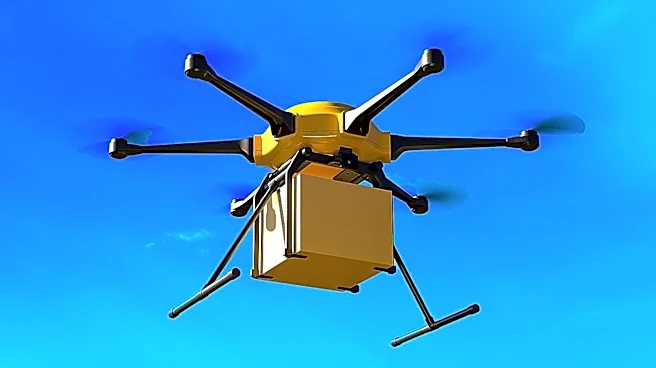
The expansion will initially target metropolitan areas including Chicago, Atlanta, Cleveland, Syracuse, and Boise, with more communities to follow. This move is part of a broader race among retailers and delivery companies to make last-mile shipping faster and cheaper. Prime Air drones can deliver most packages weighing 5 pounds or less, covering over 60% of frequently purchased products, with delivery times as fast as 30 minutes. Amazon reports having already delivered hundreds of thousands of packages this year through Prime Air.
Why It's Important?
This massive expansion by Amazon signifies a critical step in the evolution of last-mile delivery services in the U.S. If successful, it could fundamentally alter consumer expectations for delivery speed and convenience, pushing competitors to accelerate their own drone delivery initiatives. For Amazon, it represents a significant investment in autonomous logistics, potentially reducing reliance on traditional delivery methods and lowering operational costs in the long run. The widespread adoption of drone delivery could also have implications for urban planning, traffic congestion, and environmental impact, offering a potentially greener alternative to vehicle-based deliveries. This move positions Amazon at the forefront of a technological shift in retail logistics, aiming to solidify its market dominance through unparalleled delivery speed.
What's Next?
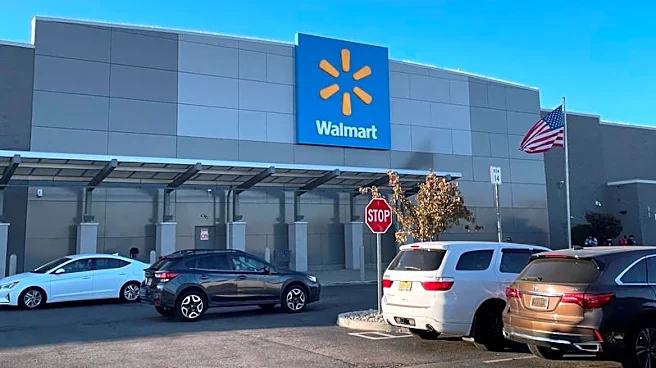
Amazon will proceed with the phased rollout of its Prime Air network to the targeted cities and towns. This expansion will involve significant logistical challenges, including establishing new drone hubs, navigating local regulations, and scaling operations. The company will continue to test the scalability and economic viability of drone delivery as it moves from a limited service to a more widespread offering. Competitors like Walmart, DoorDash, and Uber, who are also investing in drone delivery, will likely intensify their efforts to keep pace. The expansion will also bring increased scrutiny from federal aviation authorities regarding safety, noise, and airspace management. Consumer adoption and acceptance of drone delivery will be crucial for its long-term success, as will Amazon's ability to overcome operational hurdles like weather constraints and package limitations.
Beyond the Headlines
The widespread deployment of drone delivery services like Amazon's Prime Air raises profound questions about the future of urban infrastructure and societal norms. The increased presence of drones in the sky could lead to debates about noise pollution, privacy concerns related to aerial surveillance, and the visual impact on urban landscapes. Legally, it will necessitate further development of airspace regulations and liability frameworks for autonomous delivery systems. Culturally, it could normalize the idea of autonomous vehicles in daily life, potentially paving the way for other drone-based services. The success of this expansion could also influence labor markets, potentially shifting demand from traditional delivery drivers to drone operators and maintenance technicians. Ultimately, Amazon's push could redefine the very concept of 'local' commerce and how goods move within communities.