



What's Happening?
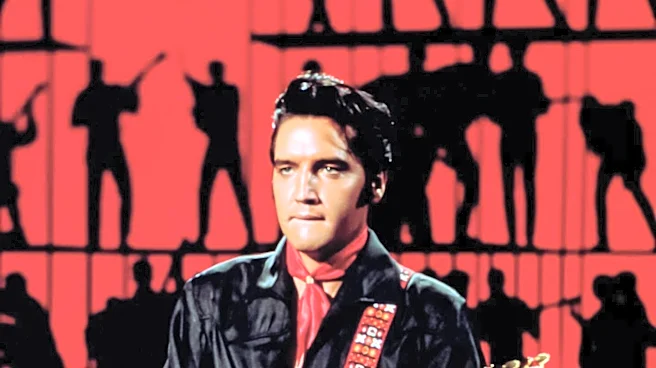
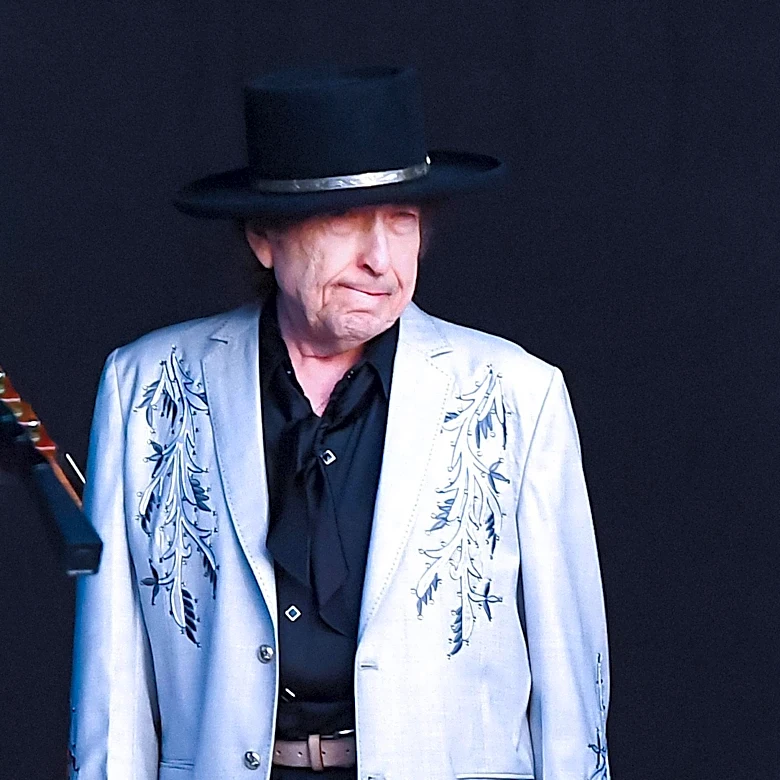
In May 1971, Elvis Presley unexpectedly transformed Bob Dylan's folk classic, "Don't Think Twice, It's All Right," into an eleven-minute rock 'n' roll jam session at Nashville's RCA Studio B. This spontaneous recording occurred during what Graceland's
official website refers to as the "1970 marathon sessions," which aimed to produce a year's worth of new material, including Christmas, gospel, and pop albums, along with several singles. The session, initially an informal run-through, evolved into a blues jam as Presley allowed the tapes to continue rolling. This event marked the last time Presley recorded in Nashville during his career. The full, unedited jam session lasted over 11 minutes, though a shortened version of nearly three minutes was later released as the closing track on his 1973 album, 'Elvis' (also known as 'The "Fool" Album'). Bob Dylan himself expressed his high regard for Presley recording his songs, stating that Elvis recording "Tomorrow Is A Long Time" was the recording he treasured most.
Why It's Important?
This legendary studio jam highlights the profound influence and interpretive genius of Elvis Presley, demonstrating his ability to reimagine and transform a celebrated folk composition into a distinct rock 'n' roll piece. It underscores the cross-genre appeal and enduring legacy of both artists, bridging the worlds of folk and rock music. For music historians and fans, this unscripted moment provides insight into Presley's raw musical instincts and the creative process that could unfold spontaneously in the studio. The fact that this was Presley's final recording session in Nashville adds to its historical significance, marking a pivotal point in his career. The mutual respect between Dylan and Presley, as evidenced by Dylan's comments, further solidifies the cultural impact of this collaboration, showcasing how artists from different musical backgrounds can elevate each other's work and contribute to the broader American musical landscape.
Beyond the Headlines
The spontaneous nature of Elvis Presley's recording of "Don't Think Twice, It's All Right" offers a deeper look into the artistic freedom and collaborative spirit that can define iconic musical moments. It challenges the notion that all significant recordings are meticulously planned, revealing how improvisation and an artist's intuitive connection to a song can lead to legendary outcomes. This event also subtly highlights the evolution of musical interpretation, where a song's meaning can shift and expand through different artists' renditions. Nat Hentoff's observation that Dylan's original was "a statement that maybe you can say to make yourself feel better" rather than a traditional love song, suggests a depth that Presley's blues-infused jam might have further explored or recontextualized. The enduring fascination with this session speaks to the timeless quality of both Dylan's songwriting and Presley's performance, cementing their places as titans of American music.