





What's Happening?
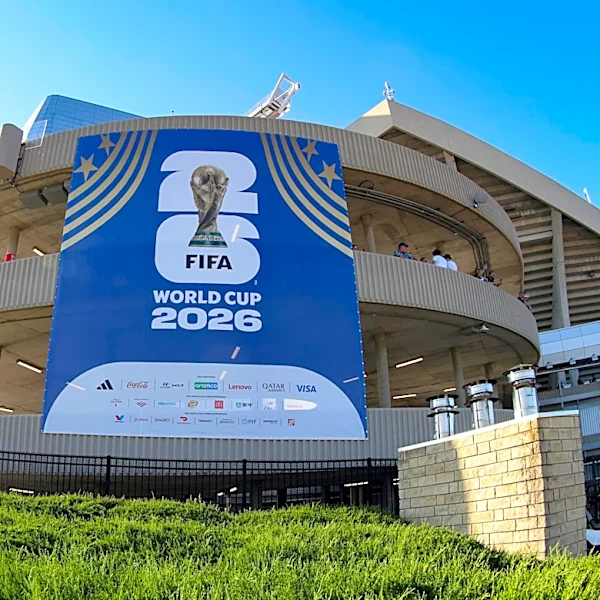
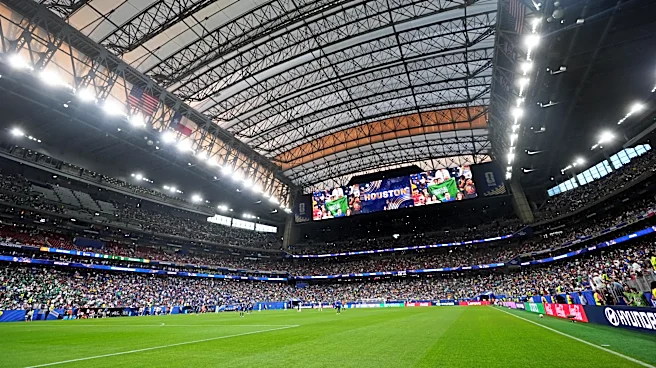
The 2026 World Cup group stage has concluded, and the Round of 32 is now set. The top two teams from each of the 12 groups, along with the tournament's eight best third-place finishers, have advanced to the knockout stage. Notable teams such as the United
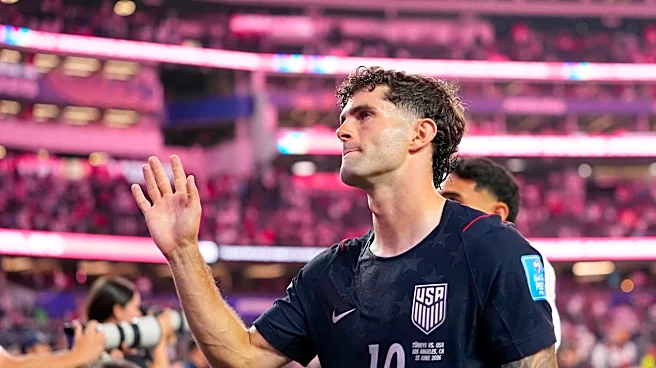
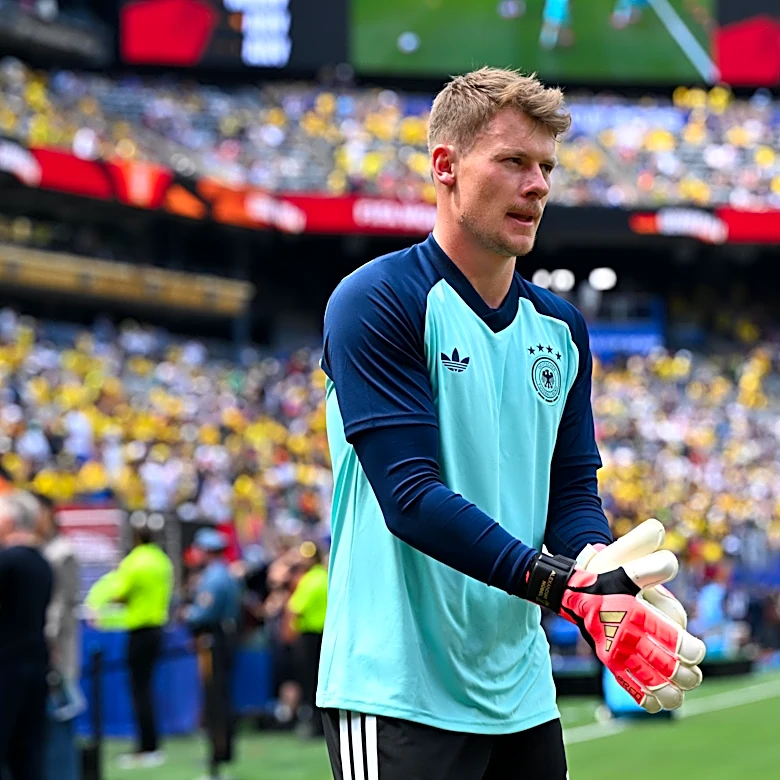
States, Mexico, Brazil, Germany, France, and Argentina have progressed. The bracket now shifts from group stage calculations to win-or-go-home matchups, with the United States set to face Bosnia & Herzegovina in Santa Clara, California. The tournament continues to capture global attention as teams vie for the prestigious title.
Why It's Important?
The progression to the Round of 32 marks a critical phase in the World Cup, where each match becomes a decisive battle for survival. For the United States, advancing further in the tournament could enhance its international soccer reputation and boost the sport's popularity domestically. The knockout stage also presents significant opportunities for economic benefits, including increased tourism, merchandise sales, and broadcasting rights. The performance of top teams like Brazil and Germany will be closely watched, as their success or failure could influence global soccer dynamics and fan engagement.
What's Next?
As the tournament progresses, teams will need to strategize carefully to navigate the high-stakes knockout rounds. The United States will focus on preparing for its match against Bosnia & Herzegovina, aiming to leverage home advantage. Fans and analysts will closely monitor the performances of key players and teams, with potential upsets and standout performances likely to capture headlines. The outcomes of these matches will shape the narrative of the 2026 World Cup and could have lasting impacts on the participating nations' soccer programs.