






What's Happening?
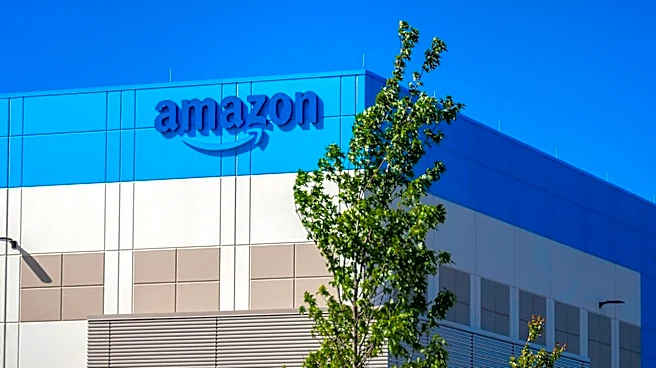
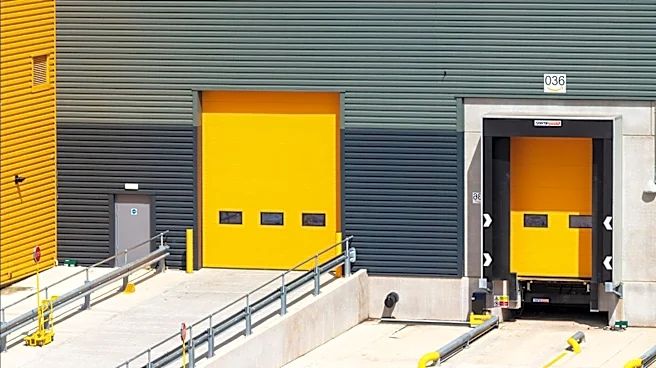
Amazon has come under scrutiny for constructing a data center in Gilroy, California, without the knowledge or consent of local residents. The company exploited 45-year-old zoning laws to begin construction on a 438,500-square-foot data center, which went
unnoticed by the community for five years. Residents have expressed concerns about the environmental impact, including increased electricity prices, greenhouse gas emissions, noise pollution, and water supply contamination. Despite Amazon's efforts to win public support through promises of tax revenue and community engagement, residents demand more transparency and involvement in the approval process for such projects.
Why It's Important?
This situation highlights the growing tension between tech companies and local communities over the construction of data centers. The lack of transparency and community engagement in the approval process raises ethical and legal questions about corporate practices and local governance. The environmental concerns associated with data centers, such as resource consumption and pollution, underscore the need for sustainable development practices. The backlash against Amazon could influence future regulatory policies and community relations, prompting tech companies to adopt more transparent and inclusive approaches to project development.
What's Next?
City officials in Gilroy are considering changes to the approval process to ensure greater community involvement in future projects. This could include requiring developers to hold public meetings and engage with residents before construction begins. Amazon may need to address community concerns more effectively to mitigate negative perceptions and potential legal challenges. The outcome of this situation could set a precedent for how tech companies approach data center construction in other communities. Increased scrutiny and regulatory oversight may become more common as communities seek to protect their interests and the environment.