








What's Happening?
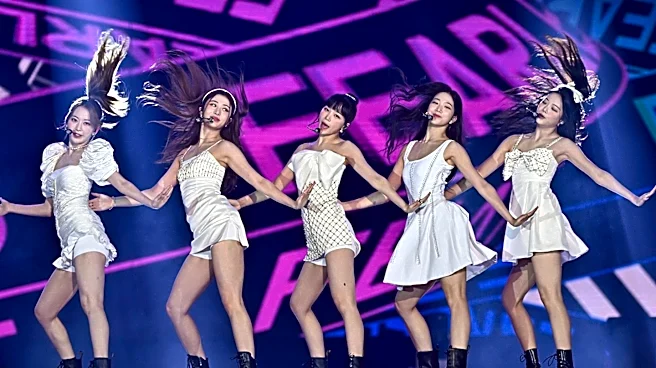
K-pop, once a niche genre, has evolved into a prominent global multimedia sensation, moving beyond its origins as simply Korean popular music. Characterized by synth-pop backing tracks and an emphasis on group artists, K-pop has broadened its musical
scope to include various styles such as rock, rap, and ballads, appealing to a wide range of tastes. This expansion has been significantly fueled by the advent of social media platforms like TikTok, which have enabled K-pop idols to communicate directly with a global audience in multiple languages. The genre's high-budget music videos, often used as memes and reaction content, further contribute to its pervasive presence online. Modern K-pop draws inspiration from Western music and culture, incorporating elements from American hip-hop, EDM, and rock, while also developing its own independent framework. The COVID-19 pandemic also played a role, pushing more people online and increasing the discovery and sharing of K-pop content.
Why It's Important?
The rise of K-pop as a global phenomenon highlights a significant shift in the music industry, demonstrating how cultural products can transcend linguistic and geographical barriers through strategic use of digital platforms. Its success showcases the power of social media in fostering global communities and driving mainstream adoption of diverse cultural content. For the U.S. music industry, K-pop represents both a new source of competition and a potential model for engaging international audiences. The genre's emphasis on multimedia franchises, including reality TV shows, merchandise, and interactive fan experiences, sets a new standard for artist development and audience engagement. This trend indicates that future music successes may increasingly rely on comprehensive, digitally-driven strategies rather than solely on musical quality, influencing how U.S. artists and labels approach global market penetration and fan cultivation.
What's Next?
The continued growth of K-pop suggests further integration into global entertainment landscapes. We can expect more collaborations between K-pop artists and Western musicians, as well as increased investment in localized content and marketing strategies to appeal to diverse international fan bases. The multimedia approach, encompassing music, video, fashion, and social interaction, will likely be emulated by other music genres and entertainment industries seeking to build dedicated global followings. The genre's adaptability, embracing various musical styles and even non-Korean performers, indicates a future where K-pop could become an even more inclusive and universally appealing form of entertainment, potentially leading to new sub-genres and cross-cultural fusions. The influence of platforms like TikTok in breaking new artists and trends will also continue to shape the trajectory of popular music.
Beyond the Headlines
The phenomenon of K-pop extends beyond mere musical trends, touching upon deeper cultural and sociological implications. Its ability to create a universal appeal, despite language barriers, underscores the idea that music can be enjoyed and understood on an emotional level, independent of lyrical content. This challenges traditional notions of cultural consumption and highlights the increasing interconnectedness of global youth culture. The rigorous training and emphasis on presentation and character for K-pop idols also raise questions about the pressures and demands placed on young artists in the entertainment industry. Furthermore, K-pop's success as a 'multimedia franchise' signifies a broader shift in how entertainment is consumed, moving towards immersive, all-encompassing experiences that blend music with visual content, social interaction, and merchandise, creating a highly engaged and loyal fan base.