



What's Happening?
Professional organizers are emphasizing a set of strategic rules to help individuals manage clutter effectively and maintain an organized home. These methods aim to simplify the decision-making process associated with possessions, moving beyond temporary
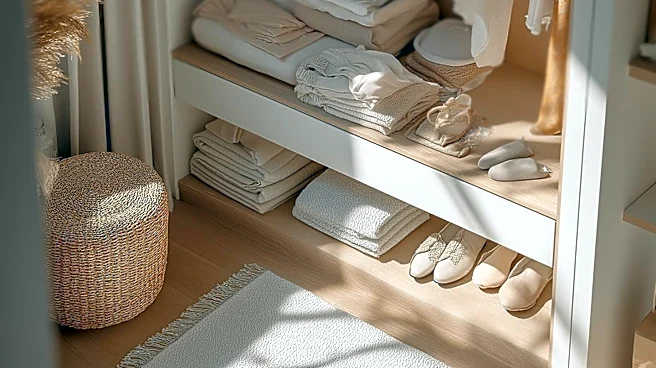
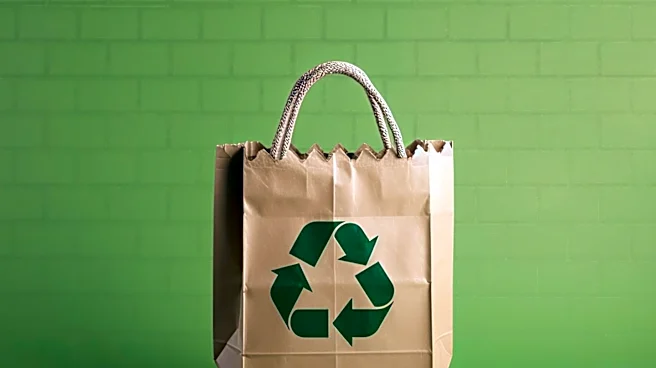
cleanouts to sustainable habits. Key recommendations include sorting items before purchasing storage bins, starting with small, manageable decluttering tasks (such as a 15-minute session on a junk drawer), and adopting a 'one in, one out' policy for new acquisitions. Additionally, organizers stress the importance of assigning a specific 'home' for every item to prevent misplacement and duplicate purchases. The KonMari method, which encourages keeping only items that 'spark joy,' is also highlighted as a personal yet effective approach to deciding what to retain. To facilitate the removal of unwanted items, maintaining a ready donation bin is advised, ensuring that discards are promptly taken to a donation center rather than accumulating within the home. These rules are designed to make decluttering an ongoing, less daunting process.
Why It's Important?
The adoption of these professional decluttering strategies holds significant importance for U.S. households and the broader consumer landscape. For individuals, implementing these rules can lead to reduced stress, improved mental well-being, and a more functional living environment. The 'one in, one out' rule, for instance, directly addresses consumer habits that contribute to overconsumption, potentially influencing purchasing decisions and encouraging more mindful spending. This shift could have a subtle but widespread impact on retail sectors, particularly those dealing with home goods and discretionary items, as consumers become more selective about what they bring into their homes. Furthermore, the emphasis on donating unwanted items supports charitable organizations and promotes a circular economy, reducing waste and extending the life cycle of products. By fostering a culture of intentional ownership and regular maintenance, these practices can contribute to more sustainable living patterns across the U.S., impacting both individual finances and environmental footprints.
What's Next?
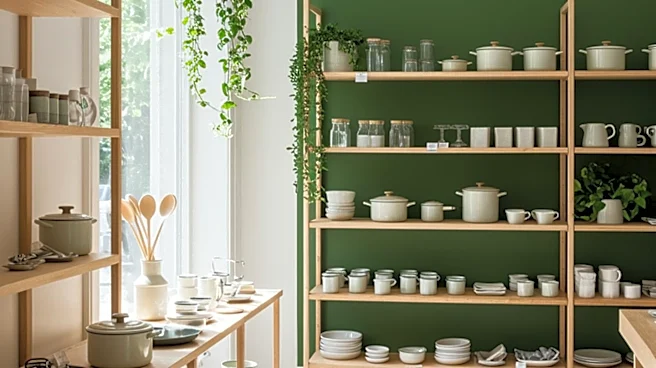
As awareness of these professional decluttering methods grows, it is likely that more individuals and households will seek to integrate them into their daily routines. This could lead to an increased demand for professional organizing services, as well as a rise in educational resources, workshops, and online content focused on sustainable decluttering. Retailers might also adapt by offering more modular, multi-functional, and space-saving storage solutions that align with the principles of efficient organization rather than simply accommodating excess. The 'one in, one out' principle, if widely adopted, could influence consumer purchasing behavior, potentially leading to a more considered approach to shopping and a reduction in impulse buys. This could also spur innovation in product design, with a greater emphasis on durability and longevity, as consumers prioritize quality over quantity. Charitable organizations are also likely to see a continued, and potentially increased, flow of donations, requiring robust logistical frameworks to manage the intake and distribution of goods.
Beyond the Headlines
Beyond the immediate benefits of a tidy home, the widespread adoption of these decluttering principles could signify a deeper cultural shift in the U.S. towards minimalism and conscious consumption. This movement challenges the prevailing consumerist ethos, encouraging individuals to re-evaluate their relationship with material possessions and prioritize experiences or well-being over accumulation. Ethically, it raises questions about the environmental impact of fast fashion and disposable goods, pushing for greater corporate responsibility in product design and manufacturing. Legally, while there are no direct implications, a societal shift towards less consumption could indirectly influence policies related to waste management, recycling, and sustainable manufacturing. Culturally, it could foster a greater appreciation for simplicity, functionality, and the psychological benefits of an uncluttered space, potentially influencing interior design trends, media portrayals of ideal living, and even educational curricula on life skills and personal finance. This evolution could lead to a more sustainable and mindful society, where value is placed on purpose and utility rather than sheer volume of possessions.