




What's Happening?
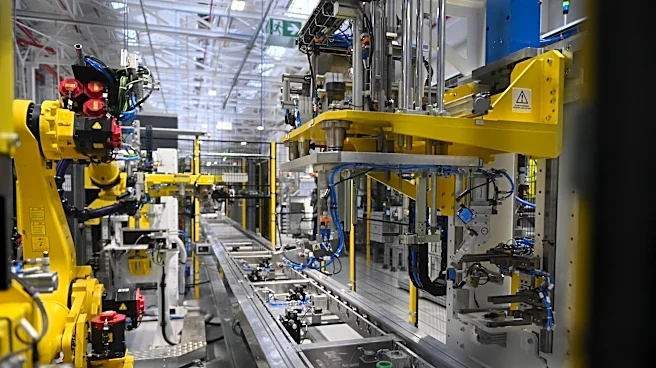
The global poultry industry is increasingly adopting advanced automation and processing equipment in its feed production lines to enhance feed quality, improve production efficiency, and support poultry health and growth. Modern poultry feed factories
are moving away from manual processes, integrating automation technology into various stages of feed production, including weighing, feeding, mixing, and packaging. This shift is driven by the need for consistent feed quality, higher output, better process control, and reduced operating costs. The integration of sophisticated machinery ensures that feed meets the precise nutritional requirements for different types of poultry, such as broilers, layers, and breeders, which is crucial for optimal animal performance and profitability in the expanding poultry sector.
Why It's Important?
The move towards advanced automatic feed systems is critical for the U.S. poultry industry, which is a significant contributor to the national economy. By improving feed quality and production efficiency, these technologies directly impact the health and growth rates of poultry, leading to higher yields and better economic returns for farmers and feed manufacturers. Consistent, high-quality feed reduces waste, improves feed conversion ratios, and minimizes the risk of disease, thereby enhancing food safety and sustainability. This technological advancement also addresses labor challenges by reducing reliance on manual labor, allowing for more precise control over ingredients and processes. Ultimately, it strengthens the competitiveness of the U.S. poultry industry in global markets and ensures a more stable and efficient supply chain for poultry products.
What's Next?
The trend of integrating advanced automation in poultry feed production is expected to continue and expand. Future developments may include further integration of artificial intelligence and machine learning for predictive maintenance, real-time quality control, and optimized ingredient formulation based on genetic and environmental factors. There will likely be increased investment in smart factories where entire production lines are interconnected and managed through centralized digital systems. This will lead to even greater efficiency, traceability, and adaptability to market demands. Feed manufacturers will also focus on sustainable practices, utilizing automation to reduce energy consumption and minimize environmental impact, further solidifying the industry's commitment to modern, responsible production.
Beyond the Headlines
The evolution of poultry feed production lines reflects a broader industrial shift towards 'Industry 4.0' principles, where automation, data exchange, and manufacturing technologies converge. Beyond the immediate economic benefits, this transformation has deeper implications for food security and animal welfare. By ensuring precise nutritional delivery, automation can contribute to healthier flocks, potentially reducing the need for antibiotics and improving overall animal well-being. The data generated from these automated systems can also provide valuable insights into animal nutrition and health, fostering continuous improvement in agricultural science. However, the increased sophistication of these systems also necessitates a highly skilled workforce capable of managing and maintaining advanced machinery, highlighting a growing demand for specialized technical expertise in the agricultural sector.