



What's Happening?
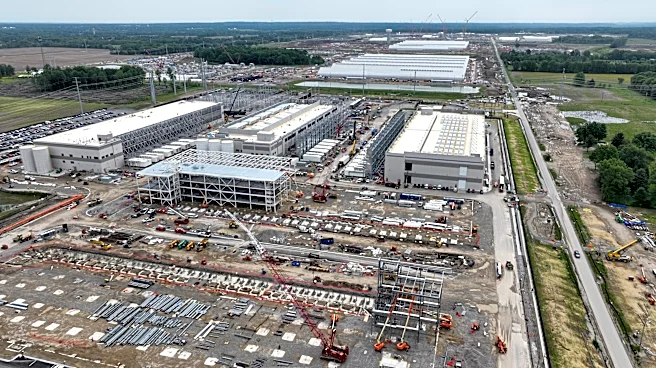
Amazon is proposing to develop a significant data center campus in Indiana County, Pennsylvania, specifically within Center and Blacklick townships. The plan involves acquiring approximately 2,200 acres across six properties to construct 39 data centers
along with associated operational facilities. These data centers will be two-story buildings, each 70 feet long, with construction projected to span a ten-year period, commencing with the Rura property. The company anticipates the creation of 1,500 to 2,000 permanent jobs, with average salaries ranging from $80,000 to $100,000. Amazon has committed to an 'appropriate Community Benefits Agreement' to mitigate local impacts and ensure tangible advantages for the community. Notably, Amazon will not seek any tax incentives from local or county authorities and will cover all costs related to new electrical infrastructure required for the campus. The project aims to support cloud computing services, driven by existing client demand. Details of this proposal will be discussed at an upcoming meeting of the Indiana County Office of Planning and Development, to be held in Courtroom 1 at the Indiana County Courthouse.
Why It's Important?
This proposed Amazon data center campus represents a substantial economic development for Indiana County, Pennsylvania. The creation of 1,500 to 2,000 permanent jobs with competitive salaries could significantly boost the local economy, providing stable employment opportunities and increasing household incomes in the region. Amazon's commitment to a Community Benefits Agreement suggests a proactive approach to addressing potential community concerns and ensuring that local residents see direct advantages from the development, beyond just job creation. Furthermore, the decision not to seek tax incentives is noteworthy, as it indicates that the project aims to contribute to the local tax base without requiring public subsidies, which can often be a point of contention in large-scale developments. By covering all electrical infrastructure costs, Amazon is also alleviating a potential financial burden on local utilities or taxpayers. This project underscores the growing demand for cloud computing services and the strategic importance of data center infrastructure, potentially positioning Indiana County as a key hub for technological operations in the region.
What's Next?
The next immediate step is the public meeting of the Indiana County Office of Planning and Development, scheduled to take place in Courtroom 1 at the Indiana County Courthouse. This meeting will provide an opportunity for further discussion and review of Amazon's detailed project plans. Community members and stakeholders will likely have the chance to learn more about the proposed development, ask questions, and voice any concerns. Following this meeting, the project will likely proceed through various local and county approval processes, including zoning changes, environmental impact assessments, and permitting. The ten-year construction timeline suggests a phased development, with initial construction expected to begin on the Rura property. Local officials will need to work closely with Amazon to finalize the Community Benefits Agreement and ensure its effective implementation. The long-term success of the project will depend on smooth regulatory approvals and continued community engagement.
Beyond the Headlines
The Amazon data center project in Indiana County highlights broader trends in economic development and the digital economy. The scale of the proposed campus—39 data centers across 2,200 acres—reflects the immense and growing demand for data storage and processing capabilities driven by cloud computing, artificial intelligence, and the proliferation of digital services. This development could transform the economic landscape of Indiana County, shifting its industrial base towards technology and potentially attracting other tech-related businesses. The commitment to a Community Benefits Agreement without tax incentives could set a precedent for future large-scale corporate investments, emphasizing corporate responsibility and direct community returns. However, such large-scale developments also bring considerations regarding environmental impact, particularly energy consumption and water usage for cooling data centers, which will be critical aspects to monitor over the ten-year construction and operational phases. The project also underscores the ongoing decentralization of tech infrastructure beyond traditional tech hubs.