







What's Happening?
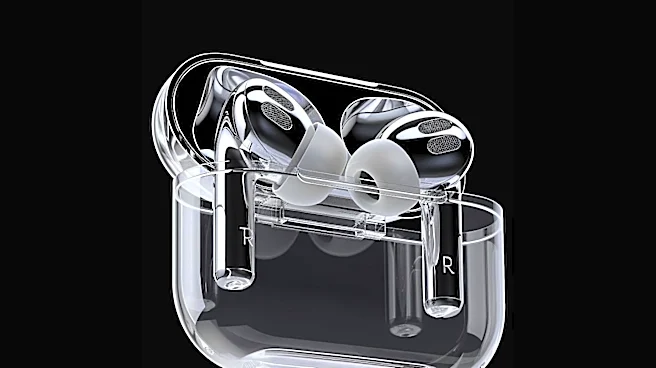
Sleep earbuds are emerging as a specialized solution for individuals struggling with nighttime noise and seeking to improve their sleep quality. Unlike standard earbuds, these devices are designed with a slim, low-profile shape for comfort during overnight
wear, especially for side sleepers. They incorporate various technologies to manage noise, including passive isolation, Active Noise Cancellation (ANC) for steady, low-frequency sounds like traffic rumble, and sound masking that plays white noise or nature sounds to make irregular noises less noticeable. Some models, such as the soundcore Sleep A30, feature sleep-focused ANC and adaptive snore masking, where the charging case detects snoring and adjusts audio. Many sleep earbuds also offer smart tools like in-app sleep reports, personal alarms, and auto-shutoff settings to support a consistent sleep routine.
Why It's Important?
The development of specialized sleep earbuds addresses a significant public health concern: widespread sleep deprivation and disturbance. By offering targeted solutions for noise reduction and sleep tracking, these devices can help millions of Americans who struggle to achieve restful sleep due to environmental factors or sleep partners. Improved sleep quality has profound implications for overall health, productivity, and mental well-being. For consumers, these earbuds provide a non-pharmacological option to manage sleep disruptions, potentially reducing reliance on sleep aids. The integration of sleep tracking and personalized alarms also empowers users with data and tools to actively manage and optimize their sleep cycles, contributing to a more proactive approach to health.
What's Next?
The market for sleep technology is likely to continue expanding, with further innovations in comfort, noise cancellation effectiveness, and integrated smart features. Manufacturers will probably focus on enhancing adaptive technologies, such as more sophisticated snore detection and masking, and improving battery life for extended use. As awareness of sleep's importance grows, these devices may become a more common household item, similar to fitness trackers. Future developments could also see deeper integration with broader smart home ecosystems, allowing for a more holistic approach to creating an optimal sleep environment.
Beyond the Headlines
The rise of sleep earbuds highlights a broader societal trend towards optimizing every aspect of daily life, including rest. This focus on 'biohacking' sleep reflects a cultural shift where technology is increasingly seen as a tool for personal performance and well-being. However, it also raises questions about potential over-reliance on devices for natural bodily functions and the psychological impact of constantly monitoring sleep metrics. While beneficial for many, the emphasis on 'perfect' sleep scores could inadvertently create new anxieties for some users. The ethical implications of collecting and utilizing sensitive sleep data also warrant ongoing consideration as these technologies become more pervasive.