


What's Happening?
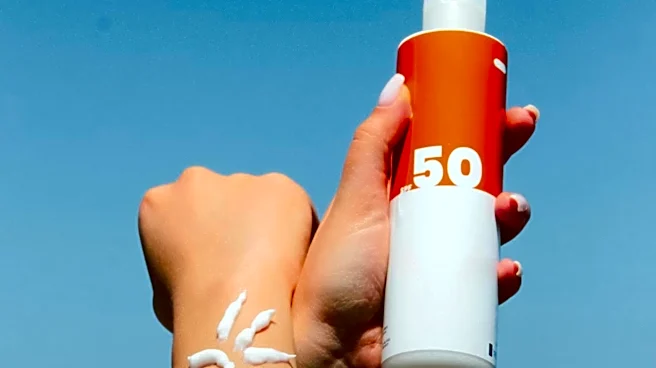
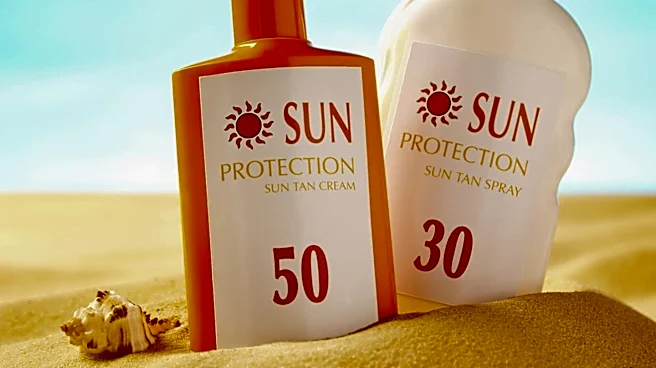
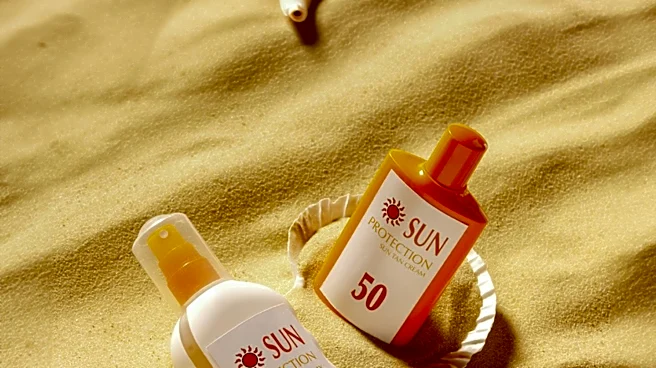
The market for sun protection is seeing a rise in SPF 30 dry sun oils, which combine high UVA/UVB protection with a non-greasy, luxurious feel. These products are designed to absorb quickly, leaving a satin finish without the sticky residue often associated
with traditional sunscreens. Key features highlighted include water resistance, continuous spray formats for easy application, and in some cases, tan-accelerating ingredients that stimulate melanin production for a natural tan without self-tanner. Brands like Hawaiian Tropic and Nivea Sun are offering options that cater to different consumer preferences, from tropical scents and 'glowy' effects to invisible finishes and sweat resistance for active individuals. The effectiveness of these oils, in terms of SPF, is comparable to creams or lotions with the same SPF rating, emphasizing that the level of protection depends on the Sun Protection Factor, not the product's texture.
Why It's Important?
The development of advanced SPF 30 dry sun oils is significant for public health and consumer behavior regarding sun protection. By offering a more pleasant user experience—non-greasy, quick-absorbing, and often with additional benefits like tan enhancement—these products can encourage more consistent and adequate application of sunscreen. This is crucial for reducing the risk of sun damage, premature skin aging, and skin cancer, which remains a significant public health concern. The convenience of spray formats also addresses a common barrier to regular sunscreen use, making it easier to cover all areas of the body, including hard-to-reach spots. For the beauty and skincare industry, this trend signifies an evolution in product formulation, balancing efficacy with sensory appeal and lifestyle integration, potentially expanding the market for daily sun protection products.
What's Next?
The continued innovation in sun protection formulations is expected to focus on enhancing user experience while maintaining high efficacy. Consumers can anticipate more products that offer multi-functional benefits, such as combined sun protection and skincare ingredients, or formulations tailored for specific activities like sports. The emphasis on 'clean beauty' and natural ingredients is also likely to drive further development in this sector, with brands seeking to offer products free from certain chemicals while still providing robust UV defense. Educational campaigns will remain vital to inform the public that the effectiveness of sunscreen is tied to its SPF rating and proper reapplication, regardless of its texture. This will help ensure that consumers make informed choices and use these advanced products correctly to maximize their protective benefits.
Beyond the Headlines
The shift towards more aesthetically pleasing and convenient sun protection products like SPF 30 dry sun oils reflects a broader cultural trend where health and wellness are increasingly integrated into daily routines without compromising on lifestyle or sensory enjoyment. This evolution challenges the traditional perception of sunscreen as a purely functional, often cumbersome, product. It highlights a growing consumer demand for products that seamlessly fit into their lives, offering both protection and pleasure. This trend could lead to a more proactive approach to sun safety, transforming it from an occasional necessity into a regular, enjoyable part of personal care. The focus on natural tanning acceleration also touches upon societal beauty standards, offering a 'safer' way to achieve a desired aesthetic while still prioritizing skin health.