







What's Happening?
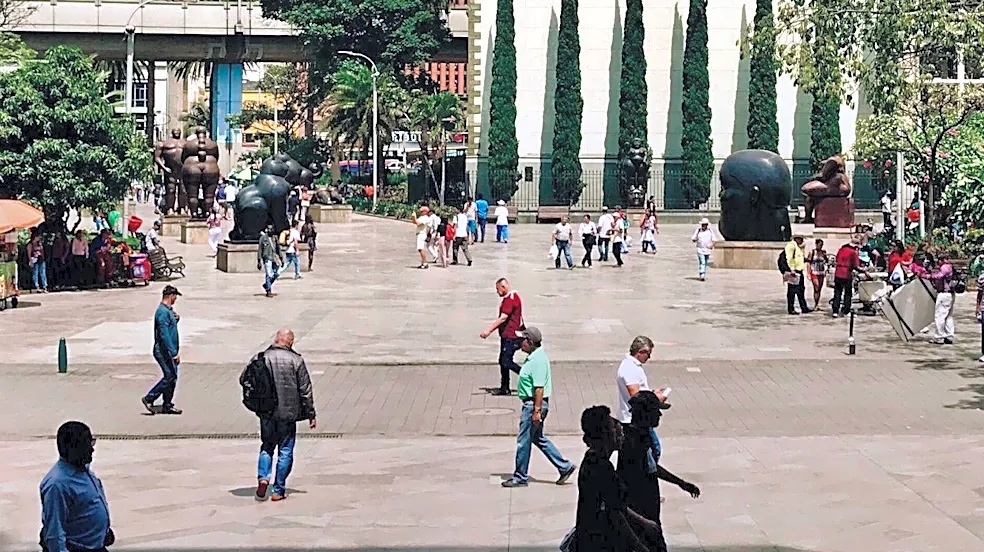
Laureles, a neighborhood in Medellín, Colombia, has become a leading destination for digital nomads in Latin America. Recognized by Time Out as a top neighborhood globally, it attracts remote workers due to its flat, walkable terrain, affordability compared
to areas like El Poblado, and an abundance of cafes and parks. The area maintains an authentic Colombian atmosphere, enhanced by its consistent spring-like weather. Essential amenities for digital nomads are readily available, including reliable fiber internet in apartments and numerous cafes and coworking spaces offering strong Wi-Fi. Popular coworking spots like La Casa Redonda foster community through social events, while hybrid models like Semilla Café provide flexible day-pass options. Laptop-friendly cafes such as Café Revolución and La Gatoria cater to various work styles. Accommodation options are plentiful, with furnished apartments being more affordable than in other parts of Medellín, and coliving spaces also available.
Why It's Important?
The rise of Laureles as a digital nomad hub signifies a broader trend in remote work and its impact on urban development and local economies. For digital nomads, it offers an attractive blend of affordability, connectivity, and lifestyle, fostering a strong sense of community. This influx of remote workers can stimulate the local economy through increased spending on housing, food, services, and entertainment. However, it also presents challenges, such as potential gentrification and increased cost of living for local residents, though Laureles is noted for being cheaper than other popular areas. The neighborhood's ability to integrate remote work culture while retaining its local identity could serve as a model for other cities looking to attract this demographic. The demand for robust infrastructure, particularly internet services and coworking spaces, highlights the evolving needs of the modern workforce.
What's Next?
As Laureles continues to grow in popularity among digital nomads, it is likely to see further development in infrastructure and services tailored to this community. This could include more specialized coworking spaces, coliving options, and businesses catering to international residents. The local government and businesses may need to adapt to the changing demographics, potentially leading to new policies or initiatives to manage the impact of increased tourism and residency. There may also be a continued focus on maintaining the neighborhood's authentic Colombian feel while accommodating its international residents. The success of Laureles could inspire other Latin American cities to invest in similar amenities and marketing efforts to attract digital nomads, fostering regional competition and innovation in remote work infrastructure.
Beyond the Headlines
The phenomenon of Laureles becoming a digital nomad capital reflects deeper shifts in global work culture and urban living. It underscores the increasing desire for work-life balance, cultural immersion, and community among professionals. The blend of work, social life, and local culture in Laureles challenges traditional notions of office-based employment and static residency. This trend also raises questions about cultural exchange and integration, as a diverse international community interacts with local traditions and customs. The emphasis on walkability, green spaces, and local cafes highlights a preference for sustainable and community-oriented urban environments. Furthermore, the success of Laureles demonstrates the economic potential of catering to the remote workforce, prompting cities worldwide to re-evaluate their urban planning and economic development strategies to attract this mobile talent pool.