






What's Happening?
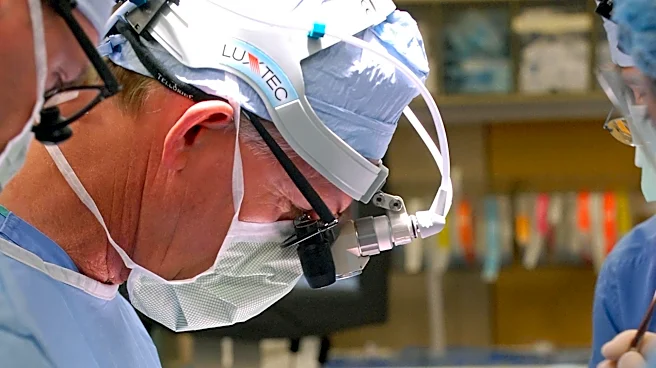
Dr. Marc Levin, a facial plastic surgeon based in Beverly Hills, has garnered significant attention and praise for a dramatic facelift transformation performed on a 61-year-old hairdresser named Helen. The extensive procedure, which cost $45,000, involved
a nine-and-a-half-hour surgery and a comprehensive facial rejuvenation plan. According to Dr. Levin, the plan included an extended deep-plane face and neck lift, endoscopic brow lift, upper blepharoplasty, scarless lower blepharoplasty, facial fat grafting, CO2 laser treatment, and an earlobe reduction. Dr. Levin, who is noted as one of the youngest board-certified surgeons in North America, regularly shares before-and-after images of his patients on social media. The results of Helen's surgery were widely shared and praised by social media users, who described Dr. Levin as a 'magician' and 'miracle worker.' Helen, originally from South Africa, expressed that the procedure significantly improved her self-confidence and outlook on life, stating she felt 'miserable' before the surgery and now feels like a 'younger-looking, more refreshed and clean version of herself.'
Why It's Important?
This story highlights the evolving landscape of cosmetic surgery and its impact on individuals' self-perception and quality of life. The significant investment of $45,000 for a single procedure underscores the value some individuals place on aesthetic enhancement and the advanced techniques available in the field. Dr. Levin's recognition as a 'magician' by the public reflects a growing appreciation for highly skilled plastic surgeons who can achieve natural-looking yet dramatic results. This also points to the increasing influence of social media in showcasing and validating the work of medical professionals, particularly in elective procedures. For the cosmetic surgery industry, such widely publicized successes can boost consumer confidence and demand for similar services, potentially driving innovation and competition among practitioners. Furthermore, Helen's personal testimony about regaining confidence emphasizes the psychological benefits that can accompany physical transformations, illustrating that these procedures often address deeper emotional needs beyond mere aesthetics.
What's Next?
Following the widespread positive reception of Helen's transformation, Dr. Marc Levin is likely to see an increased demand for his specialized facial rejuvenation procedures. The publicity generated from this case, particularly through social media, could attract a larger clientele seeking similar 'dramatic yet undetectable' results. This success may also encourage Dr. Levin to continue sharing patient transformations, further solidifying his reputation in the competitive Beverly Hills cosmetic surgery market. For Helen, the immediate future involves continued healing and enjoying her renewed confidence, with Dr. Levin noting that final results typically settle within three to four months and continue to improve for up to a year. The broader cosmetic surgery industry may observe this case as a benchmark for successful patient outcomes and effective public relations, potentially influencing marketing strategies and procedural offerings among other surgeons. The ongoing trend of sharing such transformations online suggests that social media will remain a crucial platform for both surgeons and patients in the cosmetic field.
Beyond the Headlines
This case delves into deeper societal perceptions of aging, beauty, and the pursuit of youthfulness. The willingness to invest a substantial sum like $45,000 for a facelift reflects a cultural emphasis on maintaining a youthful appearance, particularly in regions like Beverly Hills. It also raises questions about the psychological pressures individuals face to align their external appearance with their internal sense of self, as articulated by Helen's feeling that her outward appearance didn't match her inner vitality. The 'magician' label attributed to Dr. Levin speaks to a desire for transformative solutions that defy the natural aging process, blurring the lines between medical science and perceived artistry. Ethically, it prompts discussions about the role of cosmetic surgery in promoting realistic body image versus perpetuating unattainable beauty standards. Legally, the transparency of sharing such detailed transformations online, while beneficial for marketing, also highlights the importance of informed consent and managing patient expectations in a field where outcomes can be highly personal and subjective.