
What's Happening?
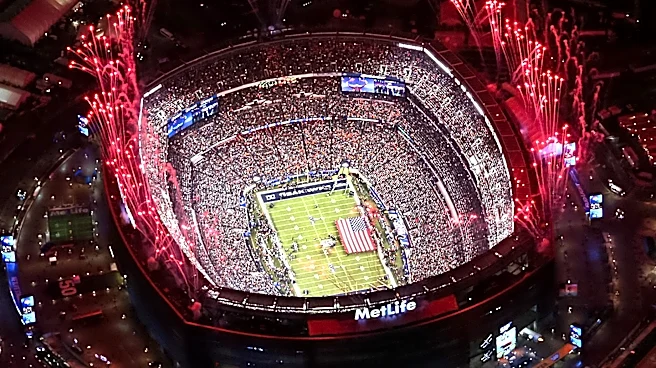
A significant fire broke out outside MetLife Stadium in East Rutherford, New Jersey, on Sunday afternoon, shortly after the New York Jets' game against the Buffalo Bills concluded. Black smoke was observed
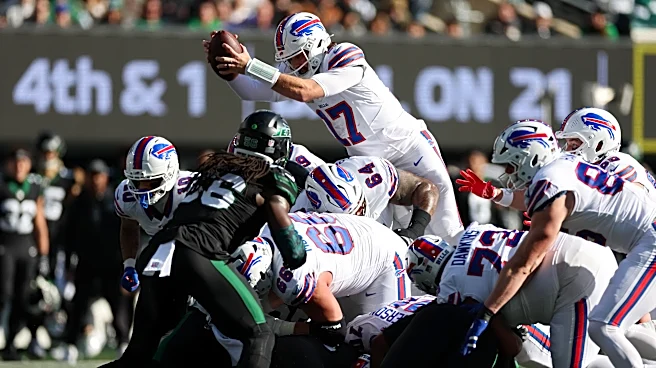
billowing from the site near Lot A and the Amex gate of the stadium around 5:50 p.m., eventually drifting into the arena and across its vacant field. Eyewitness videos shared on social media depicted flames rising from a post-game tent. Local news outlet WABC reported that the fire was visible from several miles away. Approximately 82,500 attendees had been present for the game, which saw the Jets lose 31-12. Most fans had already departed the venue by the time the blaze ignited, about an hour and 40 minutes after the final whistle. New Jersey State Police confirmed that firefighters from the New Jersey Sports and Exposition Authority, Moonachie, and Carlstadt were dispatched to control the second-alarm fire. Authorities reported that no injuries occurred, and the tent was unoccupied at the time of the incident. The cause of the fire is currently under investigation.
Why It's Important?
The fire outside MetLife Stadium, while not causing any injuries or significant damage to the main structure, highlights potential safety and operational concerns for large public venues. The incident occurred after a major sporting event, emphasizing the importance of post-event safety protocols and crowd management, even as attendees are dispersing. Although the tent was unoccupied, the visual impact of smoke billowing into the stadium and being visible for miles could raise questions about emergency response times and the effectiveness of fire prevention measures in and around such facilities. For the New York Jets and MetLife Stadium management, this event, coupled with the team's ongoing losing streak, could draw negative attention, potentially impacting public perception and future attendance, despite the fire being contained without major harm. The investigation into the cause will be crucial for implementing any necessary improvements to ensure the safety of future events.
What's Next?
New Jersey State Police have initiated an investigation to determine the cause of the fire. The findings of this investigation will be critical for MetLife Stadium management and relevant authorities to assess existing safety protocols and implement any necessary enhancements. This could include reviewing fire prevention measures for temporary structures, improving post-event site inspections, and refining emergency response coordination. While no injuries were reported and the main stadium structure was unharmed, the incident serves as a reminder for large venues to continuously evaluate and update their safety procedures. The New York Jets will continue their season, and the stadium will host future events, making the outcome of the investigation and any subsequent safety adjustments important for maintaining public confidence and ensuring the well-being of attendees.
Beyond the Headlines
Beyond the immediate safety concerns, the fire incident at MetLife Stadium could spark broader discussions about the infrastructure and operational resilience of major sports and entertainment venues. The use of temporary structures, such as the post-game tent where the fire originated, is common at large events, and this incident may prompt a re-evaluation of fire safety standards and material requirements for such installations. Furthermore, the timing of the fire, shortly after a New York Jets defeat, led some commentators to draw metaphorical connections to the team's performance, highlighting how external events can become intertwined with public narratives surrounding sports franchises. This incident, though minor in terms of damage and injury, underscores the constant need for vigilance and preparedness in managing large-scale public gatherings, where unforeseen events can quickly escalate and impact public perception and operational integrity.