
What's Happening?
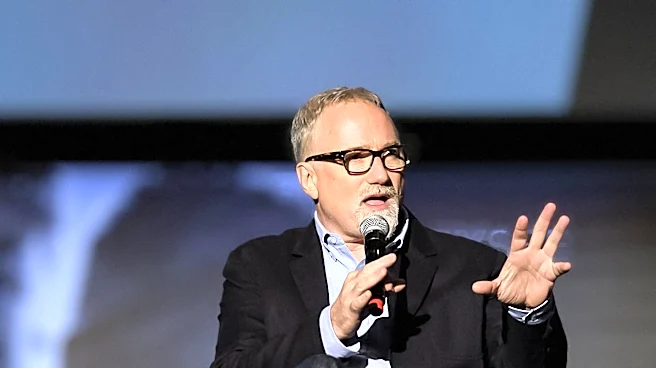
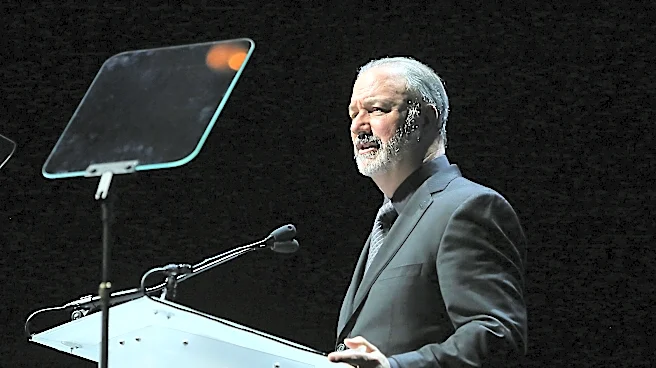
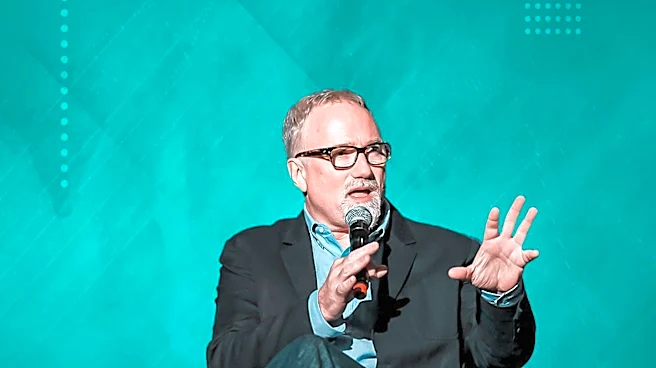
Filmmaker David Fincher has openly defended his extensive use of artificial intelligence (AI) in his latest film, 'The Further Mis-Adventures Of Cliff Booth,' pushing back against criticisms that the technology
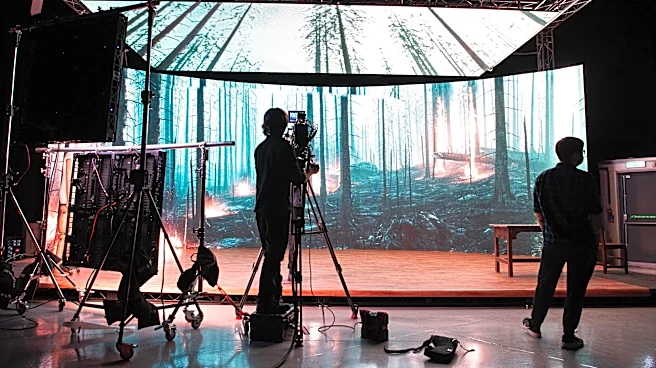
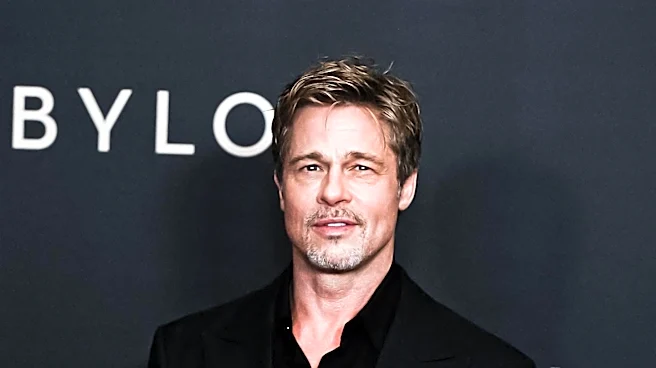
harms cinema. In recent interviews with The Telegraph and British GQ, Fincher detailed various applications of AI in the Brad Pitt-starring movie, including digitally correcting wigs to appear more natural, adjusting actors' eye lines, and de-aging performers. He also revealed that actors underwent full-body scans to create digital doubles, which were used in specific tracking shots. Fincher argues that AI enables filmmakers to achieve new effects faster and more easily, allowing for greater creative risks. He compared current AI applications to earlier filmmaking techniques, such as Stanley Kubrick's use of treadmills and projections, suggesting it is merely a modern evolution of established methods. Fincher emphasized that AI tools do not alter actor performances, which he considers sacred, but rather enhance visual elements.
Why It's Important?
Fincher's staunch defense of AI in filmmaking is significant as it comes from a highly respected director known for his meticulous approach, potentially influencing broader industry acceptance of these technologies. His arguments challenge the prevailing concerns within Hollywood regarding AI's impact on creative control and employment. By framing AI as a tool for innovation and efficiency, Fincher could encourage other filmmakers to explore its capabilities, potentially accelerating its integration into mainstream production pipelines. The debate also highlights a growing divide between those who view AI as a threat to traditional filmmaking artistry and those who see it as an indispensable advancement. This discussion has implications for visual effects artists, as the ability to compress years of work into weeks raises questions about job security and the future of VFX roles, even as Fincher asserts that VFX professionals are operating these new tools.
What's Next?
The ongoing discussion surrounding AI in filmmaking, fueled by prominent figures like Fincher, is likely to intensify as more productions incorporate these technologies. Future developments may include increased transparency from studios and filmmakers about their use of AI, potentially leading to new industry standards or guidelines. The debate could also prompt further discussions within unions and guilds regarding the ethical implications and employment impacts of AI, potentially leading to new contractual clauses or protections for artists and technicians. As AI tools become more sophisticated and accessible, their application in various aspects of film production, from pre-visualization to post-production, is expected to expand, further challenging traditional workflows and creative processes. The reception of 'The Further Mis-Adventures Of Cliff Booth' by audiences and critics, particularly concerning its AI-enhanced elements, may also influence future adoption rates and public perception of AI in cinema.
Beyond the Headlines
Beyond the immediate technical applications, Fincher's embrace of AI touches upon deeper philosophical questions about authorship and authenticity in art. His assertion that AI does not compromise performance but enhances visual fidelity raises questions about where the line is drawn between digital manipulation and genuine artistic expression. The comparison to historical filmmaking techniques suggests a continuous evolution of tools, but the generative capabilities of AI introduce a new dimension, potentially blurring the lines between what is captured and what is created synthetically. This shift could lead to a re-evaluation of what constitutes 'real' in cinema and how audiences perceive the visual integrity of films. Furthermore, the efficiency gains from AI, such as reducing production timelines and costs, could democratize filmmaking by making advanced visual effects more accessible, or conversely, concentrate power in the hands of those who control these technologies, leading to new forms of creative and economic stratification within the industry.