







What's Happening?
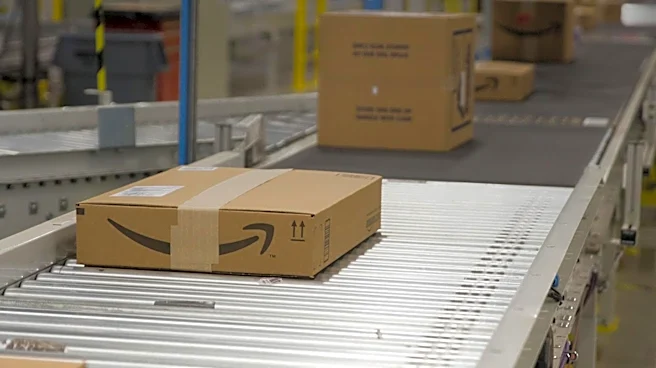
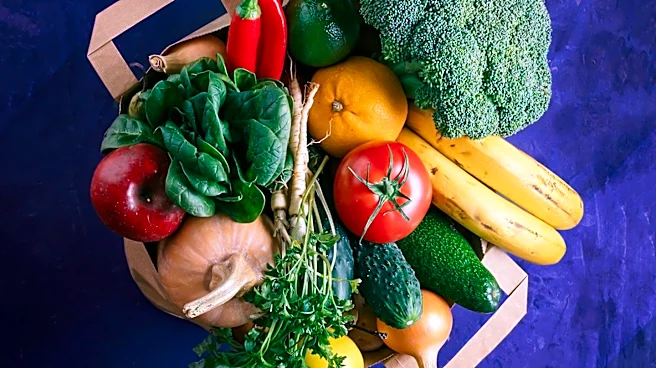
Amazon is implementing a sophisticated logistics system to ensure the freshness and quality of its grocery deliveries, from the farm to the customer's doorstep. This process begins with expert produce inspectors, like Moless, who meticulously check items
such as cherries for firmness, color, ripeness, and smell directly in the field. Any product cut or handled during inspection is discarded to maintain quality. These carefully sourced products are then transported to Amazon’s Same-Day Delivery fulfillment centers, designed for efficient packing. In several cities, Amazon Now offers delivery within 30 minutes or less. The company's Freshness Guarantee badge assures customers that if a product does not meet their standards, Amazon will rectify the issue. This system leverages Amazon's extensive logistics expertise to deliver fresh food at competitive prices.
Why It's Important?
This enhanced focus on freshness and rapid delivery is crucial for Amazon's competitive position in the U.S. grocery market. By prioritizing quality control at the source and optimizing logistics for speed, Amazon aims to build consumer trust and loyalty in a sector where perishable goods are paramount. This strategy directly challenges traditional grocery retailers and other online delivery services, potentially shifting market share and influencing industry standards for food quality and delivery efficiency. For consumers, it means access to fresher produce and more reliable delivery options, which can significantly impact daily routines and dietary choices. The investment in specialized fulfillment centers and inspection teams also creates jobs and drives innovation in supply chain management within the food industry.
What's Next?
Amazon is expected to continue refining and expanding its grocery delivery infrastructure, potentially introducing these advanced freshness protocols to more regions and product categories. The success of this model could prompt competitors to invest further in their own supply chain and quality control measures, leading to an overall improvement in grocery delivery services across the U.S. Amazon's commitment to a 'Freshness Guarantee' may also become a benchmark for customer expectations, pushing other retailers to offer similar assurances. Future developments could include further integration of technology, such as AI-driven inventory management and predictive analytics, to minimize waste and optimize delivery routes, further enhancing efficiency and sustainability in the grocery delivery sector.
Beyond the Headlines
Beyond the immediate benefits of fresh produce and fast delivery, Amazon's approach to grocery logistics has broader implications for the future of food systems. By controlling quality from the field, Amazon is exerting significant influence over agricultural practices and supply chain standards. This could lead to increased pressure on growers to meet stringent quality requirements, potentially impacting farming methods and local economies. The model also highlights the ongoing shift from traditional brick-and-mortar grocery shopping to online platforms, raising questions about the long-term viability of conventional supermarkets. Furthermore, the emphasis on rapid delivery and freshness could contribute to a consumer culture that expects instant gratification and high-quality perishable goods on demand, reshaping expectations for convenience and product integrity in the digital age.