
What's Happening?
BeautyTok, the beauty community on TikTok, has fundamentally changed how makeup products are discovered and marketed. The platform's algorithm allows makeup creators, regardless of their follower count, to achieve significant viewership if their content
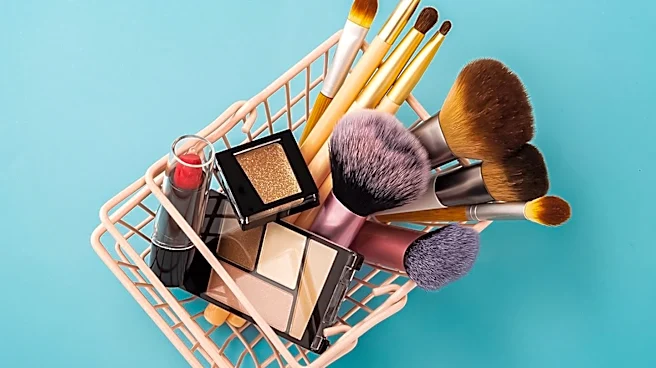
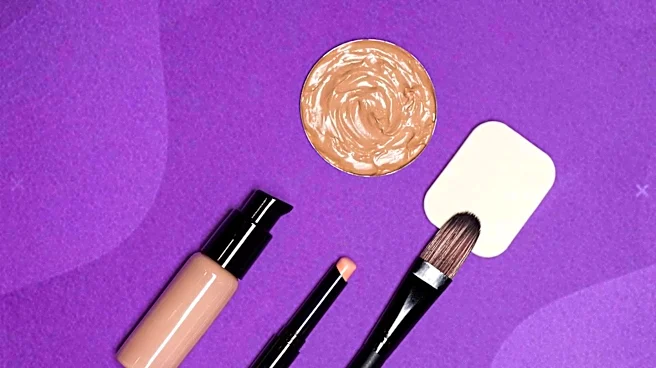
and product appeal resonate with the audience. This democratization of content is driven by various formats, including quick transformation videos, before-and-after clips, 'get ready with me' (GRWM) content, and product reviews. These visual and tactile demonstrations are particularly effective for cosmetics, as they address consumer anxieties about how products will look and feel in real-world application. Unlike traditional product photography, influencer content on BeautyTok provides a dynamic and relatable showcase of makeup properties like foundation coverage, eyeshadow pigmentation, and lipstick finish, making it a powerful tool for consumer conversion.
Why It's Important?
The rise of BeautyTok signifies a major shift in the beauty industry's marketing landscape, emphasizing authentic, creator-driven content over traditional advertising. This model offers both opportunities and unpredictability for brand partnerships. Brands can tap into a vast network of creators to reach highly engaged audiences, but success hinges on the content's ability to genuinely connect with the 'beauty FYP community.' The effectiveness of visual demonstration in cosmetics means that influencer marketing in this sector often yields high returns on investment, with some brands reporting $6-12 for every dollar spent. This is largely due to the high repurchase rates of cosmetic products and the extended reach achieved through word-of-mouth recommendations. The platform's ability to generate demand even before users actively search for products highlights its unique position in the e-commerce ecosystem, making it a critical channel for beauty brands aiming for significant market penetration and sales.
What's Next?
As BeautyTok continues to grow, brands will likely further invest in diverse creator partnerships and high-volume content strategies to maintain visibility and drive sales. The emphasis will remain on authentic, demonstration-based content that resonates with the community. Brands will need to adapt their marketing approaches to leverage TikTok's unique algorithm, focusing on creating an ecosystem that empowers creators to produce engaging content at scale rather than relying solely on branded channels. This includes exploring various deal structures, such as PR gifting, launch integrations, ambassador programs, and affiliate commissions, to maximize reach and conversion. The platform's projected growth in social commerce sales suggests that its influence on consumer purchasing behavior will only intensify, requiring continuous innovation from beauty brands to stay competitive.
Beyond the Headlines
The success of BeautyTok underscores a broader trend in consumer behavior: a preference for authentic, peer-driven recommendations over traditional advertising. This shift has ethical implications, as the line between genuine product endorsement and paid promotion can sometimes blur. For consumers, it means a more personalized and often more trustworthy discovery process, but it also necessitates a critical eye towards sponsored content. For the beauty industry, it highlights the power of community and the importance of fostering genuine connections with consumers through relatable content. This model also challenges traditional media and advertising agencies to rethink their strategies, as the effectiveness of a 15-second TikTok video can sometimes outweigh a costly, polished commercial. The platform's ability to democratize influence also means that smaller, independent brands have a more level playing field to compete with established giants, fostering innovation and diversity within the beauty market.