








What's Happening?
A comprehensive approach to combating inflammation in the body focuses on a nutrient-rich, balanced diet, regular exercise, quality sleep, effective stress management, and maintaining a healthy weight while avoiding smoking. Rather than relying on individual
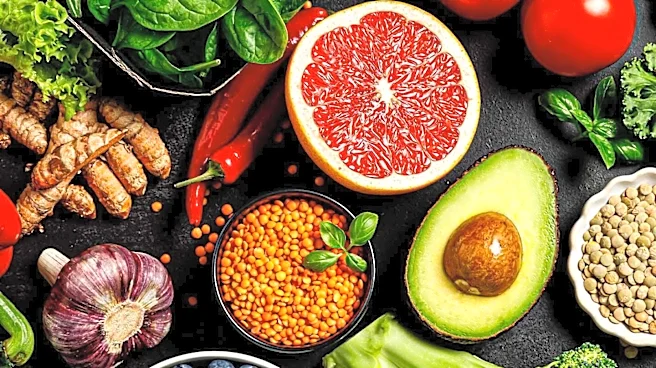
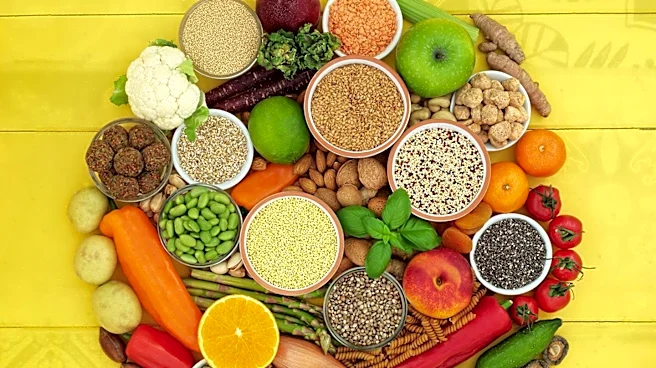
'superfoods,' the emphasis is on dietary variety and consistency, incorporating diverse vegetables, fruits, whole grains, legumes, nuts, and healthy fats. The Mediterranean-style eating pattern is highlighted as particularly effective due to its association with healthier inflammatory and cardiovascular markers. Key foods recommended include fatty fish (salmon, sardines), berries (blueberries, strawberries), leafy green vegetables (spinach, kale), cruciferous vegetables (broccoli, cauliflower), nuts and seeds (walnuts, chia seeds), extra virgin olive oil, and legumes and whole grains. These foods provide essential omega-3 fatty acids, polyphenols, antioxidants, and fiber that support immune function and help regulate inflammatory processes.
Why It's Important?
This holistic approach to managing inflammation is crucial for public health, as chronic inflammation is linked to numerous health conditions. By promoting lifestyle changes over quick fixes, it empowers individuals to take proactive steps in disease prevention and management. The focus on a balanced diet, rather than isolated ingredients, encourages sustainable eating habits that can lead to long-term health benefits. Economically, a healthier population with reduced chronic inflammation could lead to lower healthcare costs and increased productivity. For the food industry, this emphasis may drive demand for whole, unprocessed foods, potentially shifting market trends away from highly processed options. It also underscores the interconnectedness of various lifestyle factors—diet, exercise, sleep, and stress—in maintaining overall well-being, influencing public health campaigns and individual health choices.
What's Next?
Future trends will likely see increased integration of these anti-inflammatory lifestyle principles into mainstream health advice and medical recommendations. Healthcare providers may more frequently prescribe dietary and lifestyle modifications alongside traditional treatments for inflammatory conditions. Public health initiatives could expand to educate communities on the benefits of a Mediterranean-style diet and the importance of holistic well-being. The food industry might further innovate to provide more convenient and appealing whole-food options that align with these dietary guidelines. Research will continue to explore the specific mechanisms through which diet and lifestyle impact inflammation, potentially leading to more personalized nutritional advice and targeted interventions. There may also be a greater focus on stress reduction techniques and sleep hygiene as critical components of an anti-inflammatory lifestyle.
Beyond the Headlines
The shift from focusing on individual 'superfoods' to a comprehensive lifestyle approach represents a deeper understanding of human physiology and nutrition. This perspective moves beyond reductionist views, acknowledging that health is a complex interplay of multiple factors. Ethically, it promotes a more equitable approach to health, as many of the recommended foods are accessible and affordable, unlike some niche superfoods. Culturally, it encourages a return to traditional eating patterns that emphasize fresh, whole ingredients and mindful consumption. Legally, this growing body of evidence could influence food policy, potentially leading to regulations that support healthier food environments and discourage the consumption of pro-inflammatory processed foods. It also highlights the importance of individual agency and responsibility in managing one's health through daily choices, fostering a more empowered and informed public.