


What's Happening?
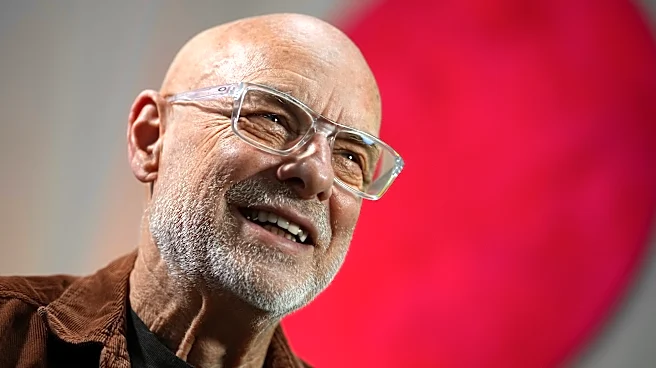
Matt Taibbi, writing for Racket News, asserts that art holds a significance beyond politics, emphasizing that it belongs to everyone and should transcend political agendas. This argument comes in the wake of controversies surrounding musicians like Metallica
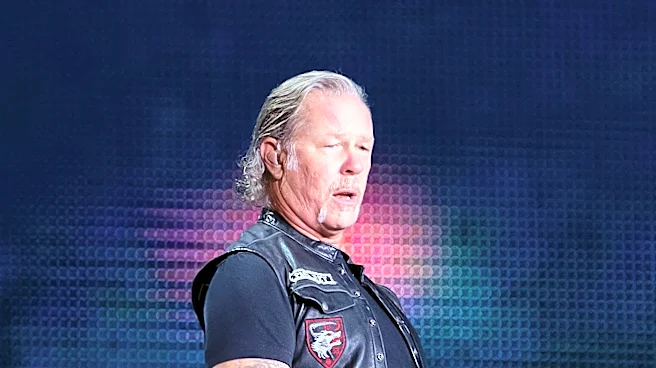
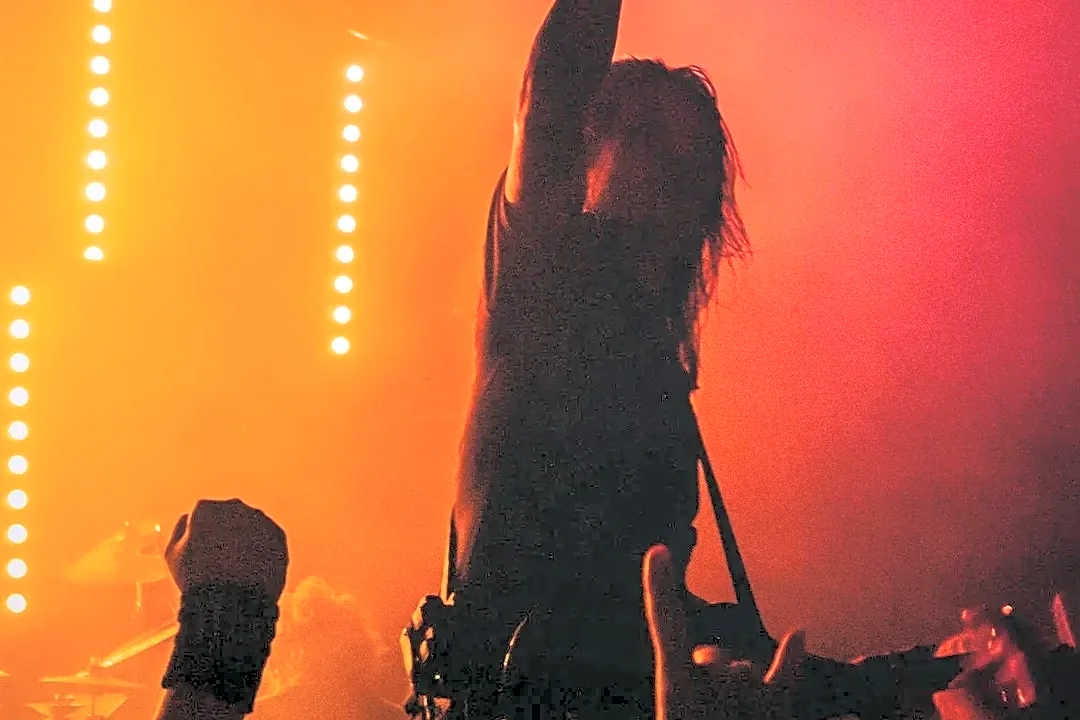
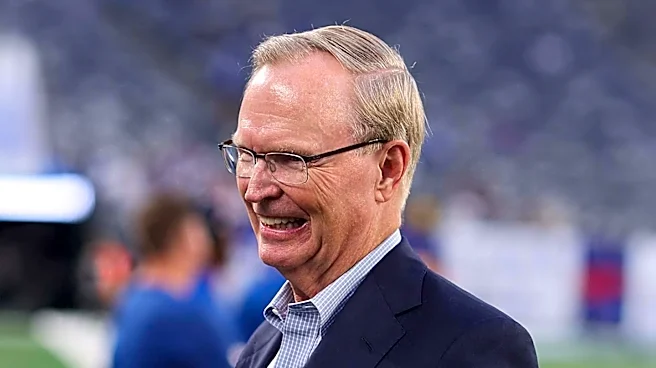
frontman James Hetfield and Ed Sheeran's warmup act Macklemore. Hetfield, during a concert at the Las Vegas Sphere, stated that Metallica's agenda was 'love, energy, and heavy music,' not to 'influence you with their bullshit.' This stance drew criticism from activists who believe 'all art is political' and that artists must take a side. Similarly, Macklemore's 'Free Palestine' speech at MetLife stadium during an Ed Sheeran tour sparked objections from figures like New England Patriots owner Robert Kraft, leading to a debate about free speech and artistic expression. Taibbi critiques those who insist on politicizing all art, drawing parallels to a Marxist conception where art serves revolution or distracts the masses.
Why It's Important?
Taibbi's perspective highlights a significant cultural debate in the U.S. regarding the role of art and artists in society. The contention over whether art should be inherently political or can exist in a realm 'above politics' reflects deeper societal divisions and expectations placed upon public figures. This discussion impacts the creative freedom of artists and the way audiences consume and interpret artistic works. If artists are pressured to align with specific political stances, it could stifle diverse forms of expression and lead to a more homogenous cultural landscape. Conversely, the expectation for artists to remain apolitical can be seen as a dismissal of art's potential to provoke thought and inspire social change. The controversy also touches upon the concept of 'cancel culture' and the implications for artists who choose not to conform to prevailing political narratives, potentially affecting their careers and public reception.
What's Next?
This ongoing debate is likely to continue shaping the landscape of artistic expression and public discourse. Artists may face increasing pressure to declare their political affiliations or risk backlash from various groups. This could lead to more artists either explicitly embracing political activism in their work or, conversely, deliberately avoiding political statements to maintain broader appeal. Audiences might become more polarized in their consumption of art, choosing to support artists whose views align with their own. The music and entertainment industries may also grapple with how to navigate these pressures, potentially influencing decisions on artist bookings, sponsorships, and public relations strategies. The discussion could also prompt a re-evaluation of the boundaries of free speech within artistic contexts and the responsibilities of artists as public figures.
Beyond the Headlines
The debate over art's political nature delves into fundamental questions about the purpose of art itself. Is art primarily a tool for social commentary and change, or is its value found in its ability to evoke emotion, inspire, or simply entertain, transcending immediate political concerns? Taibbi's argument, referencing historical figures who believed art spoke to something 'higher than politics,' suggests a long-standing philosophical tension. This tension has ethical implications for how society values and supports artistic endeavors. If art is solely judged by its political utility, it risks losing its capacity for universal appeal and its role in fostering shared human experiences. The long-term consequence could be a more fragmented cultural sphere where art serves as another battleground for ideological conflict, rather than a space for reflection, beauty, or collective understanding. This shift could diminish art's power to unite and inspire across diverse perspectives.