





What's Happening?
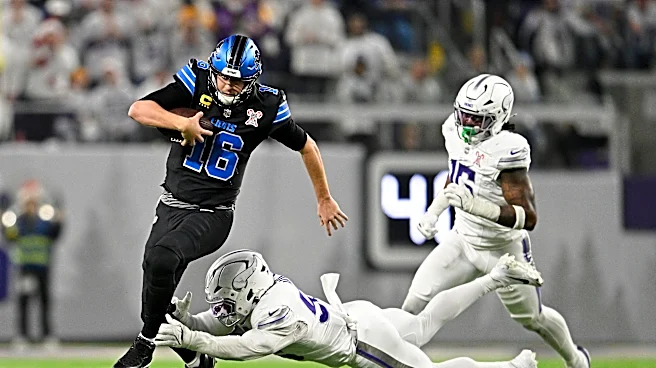
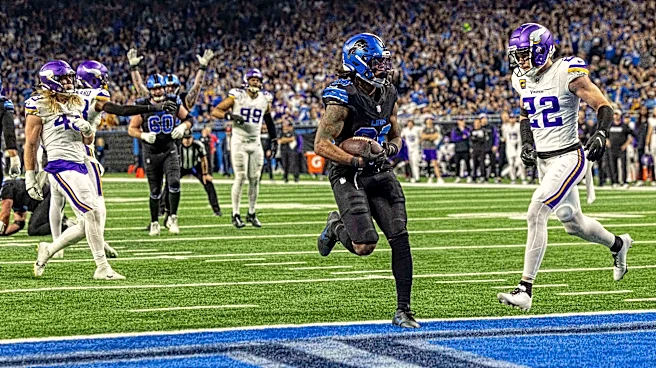
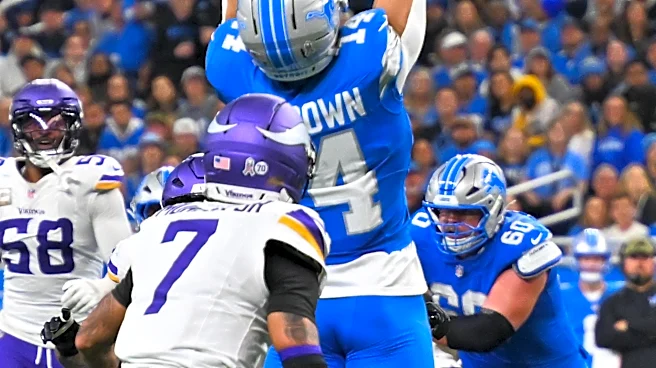
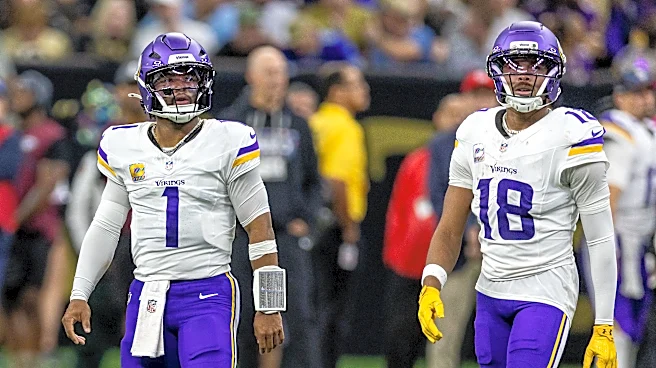
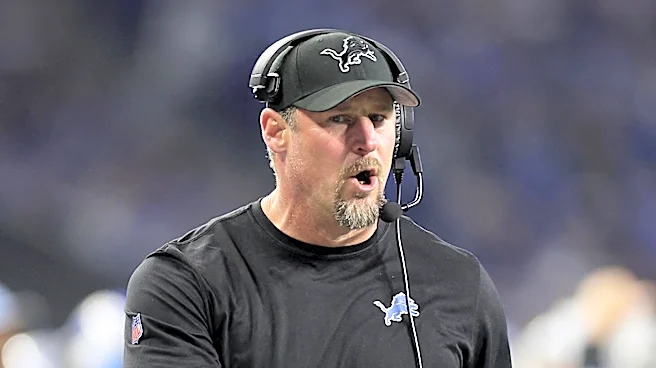
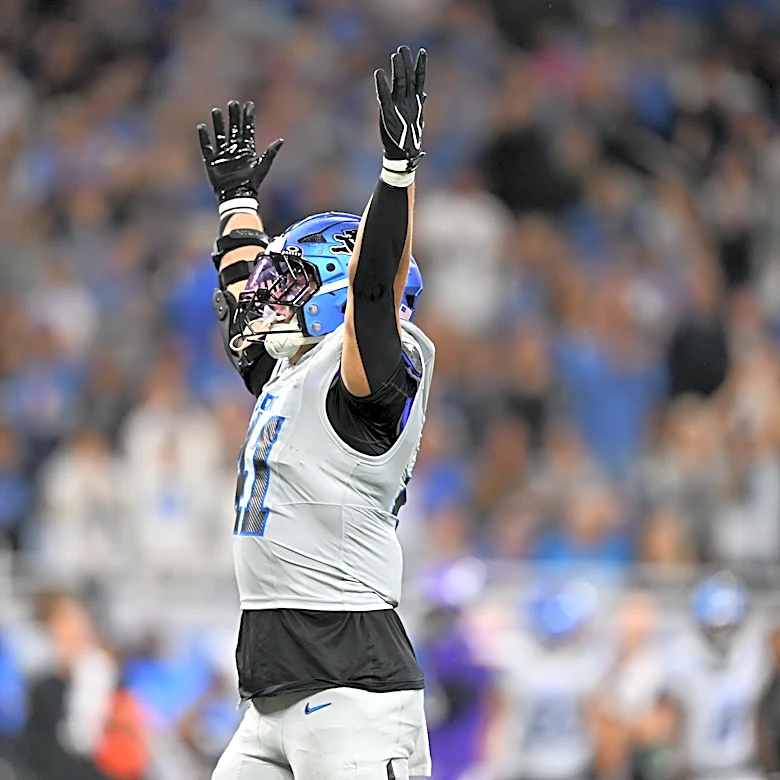
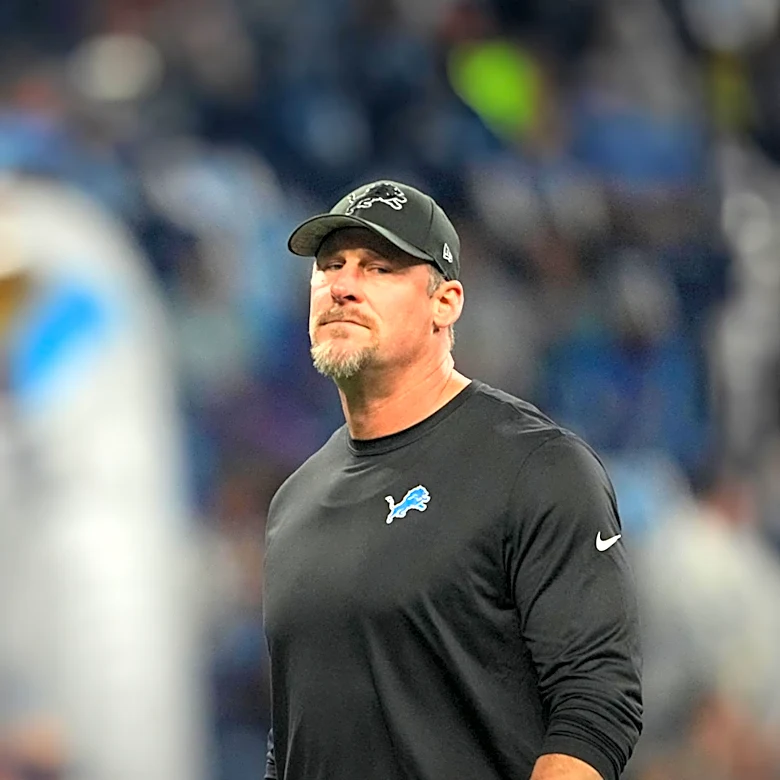
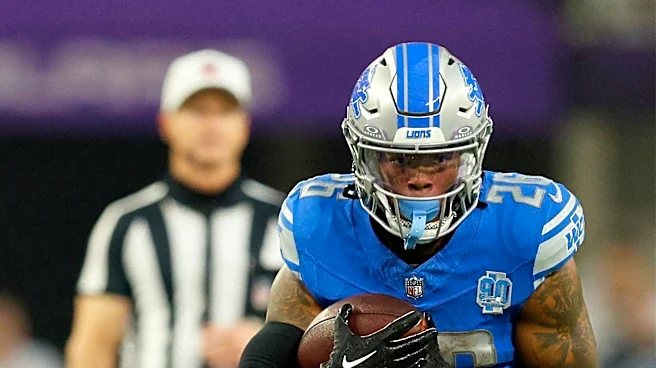
Detroit Lions head coach Dan Campbell made a critical strategic decision in the final minutes of Sunday's game against the Minnesota Vikings. With the Lions leading 19-15 and facing second-and-2, Vikings linebacker Andrew Van Ginkel committed an offsides
penalty. While fans initially cheered, believing it was a mistake by the Vikings, Coach Campbell recognized it as an intentional act designed to stop the clock and allow the Vikings to preserve timeouts for a potential comeback drive. Campbell wisely declined the penalty, preventing the Vikings from executing their strategy. This move was immediately recognized by former NFL quarterback Tom Brady, who was calling the game, as the correct decision. The situation highlights a nuanced aspect of football strategy where committing a penalty can sometimes be advantageous for one team, and declining it is the smart counter-move for the other. The Vikings' coach, Kevin O’Connell, ultimately realized Campbell understood their tactic, preventing further attempts.
Why It's Important?
This incident underscores the growing strategic complexity in NFL coaching and the importance of in-game decision-making under pressure. Coach Campbell's quick recognition of the Vikings' intentional offsides prevented a scenario that could have significantly altered the game's outcome. Had Campbell accepted the penalty, the clock would have stopped, granting the Vikings a first down while preserving their timeouts. This would have given Minnesota more opportunities to mount a late-game drive, increasing their chances of winning. The situation also serves as a teaching moment for other coaches, illustrating that not all penalties are detrimental to the committing team and that declining a penalty can sometimes be the more advantageous choice. It showcases Campbell's strategic intelligence and his ability to anticipate and counter sophisticated opponent tactics, which is crucial for team success in competitive professional sports.
What's Next?
The strategic decision by Coach Campbell is likely to be analyzed by other NFL coaching staffs as a case study in game management. Teams may review their own protocols for handling intentional penalties, both from an offensive and defensive perspective. Coaches might incorporate drills or discussions into their preparation to ensure players and staff are aware of such nuanced situations and how to react appropriately. While this specific scenario concluded without further escalation, the article notes that if a defensive team were to repeatedly commit intentional offsides and the offense continued to decline, referees could invoke the 'palpably unfair act' rule. This rule grants officials broad discretion, potentially allowing them to charge the defensive team a timeout or impose other penalties to maintain fair play. This incident could lead to increased awareness among officials regarding such tactics and their potential to disrupt the flow and fairness of the game.
Beyond the Headlines
The intentional offsides scenario touches upon the ethical boundaries within competitive sports. While technically within the rules, the deliberate act of committing a penalty to gain a strategic advantage raises questions about sportsmanship and the spirit of the game. It highlights the constant tension between maximizing competitive advantage and adhering to unwritten codes of conduct. The 'palpably unfair act' rule exists precisely to address situations where actions, while not explicitly illegal, undermine the integrity of the competition. This incident also reflects the increasing sophistication of NFL strategy, where coaches are constantly looking for marginal gains and exploiting every possible rule interpretation. It pushes the boundaries of what is considered 'fair play' and forces a deeper examination of how rules are interpreted and enforced in high-stakes professional sports environments.