






What's Happening?
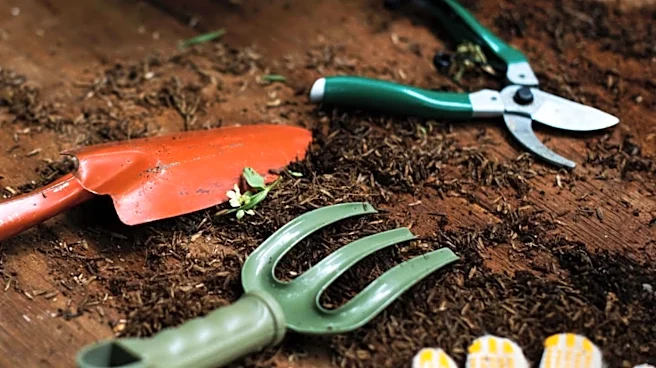
A simple routine of cleaning, drying, sharpening, and proper storage is recommended to extend the lifespan of garden hand tools and prevent the spread of plant diseases. University extension guidance emphasizes that keeping tools clean and dry is crucial
for preventing rust. After each use, gardeners should brush off loose soil, wipe blades and handles, and remove sticky plant sap before it hardens. If washing is necessary, tools must be thoroughly dried afterward. Regular inspection for loose screws, cracked handles, rust, or dull edges is also advised, with prompt tightening of fittings and sharpening of blades. Disinfection is a separate, critical step when plant disease is a concern, with specific options and contact times provided by university extensions. Finally, tools should be stored in a dry spot with sharp edges protected, ready for their next use.
Why It's Important?
This maintenance routine is important for several reasons. Properly cared-for tools last longer, reducing the need for frequent replacements and saving gardeners money. More critically, clean and disinfected tools prevent the transmission of plant diseases from one plant to another, safeguarding the health of an entire garden. Rust can degrade tool performance and make them harder to use, while dull blades can damage plants, making them more susceptible to disease. By following these simple steps, gardeners can ensure their tools remain effective, safe, and hygienic, contributing to a healthier and more productive garden environment. This also promotes sustainable practices by extending the life cycle of equipment.
What's Next?
Gardeners who adopt this routine will experience fewer tool-related issues, such as rust or breakage, and will likely see a reduction in plant disease transmission within their gardens. This could lead to healthier plants and more successful harvests. Manufacturers of gardening tools might emphasize the importance of maintenance in their product instructions, and garden centers could offer more sharpening services or maintenance kits. Educational resources from university extensions will continue to highlight these best practices, reinforcing the importance of tool care for overall garden health. Over time, this could lead to a more informed and proactive gardening community regarding equipment upkeep.
Beyond the Headlines
Beyond the practical benefits, the act of caring for one's tools can foster a deeper connection to the craft of gardening and promote a sense of mindfulness. It encourages a respect for the instruments used in cultivation, viewing them as valuable assets rather than disposable items. Ethically, preventing disease spread through proper tool hygiene reflects a responsible approach to plant health and the broader garden ecosystem. It underscores the interconnectedness of all elements within a garden. Culturally, this routine echoes traditional practices of craftsmanship and stewardship, where tools were meticulously maintained as essential extensions of the worker. In a consumer-driven society, taking the time to care for and repair tools can be seen as a small act of resistance, promoting durability and sustainability over constant consumption.