



What's Happening?
Omnichannel retailing is transforming the retail sector by integrating physical stores, e-commerce sites, mobile applications, and other sales channels to create a unified customer experience. This approach ensures that customers can seamlessly move between
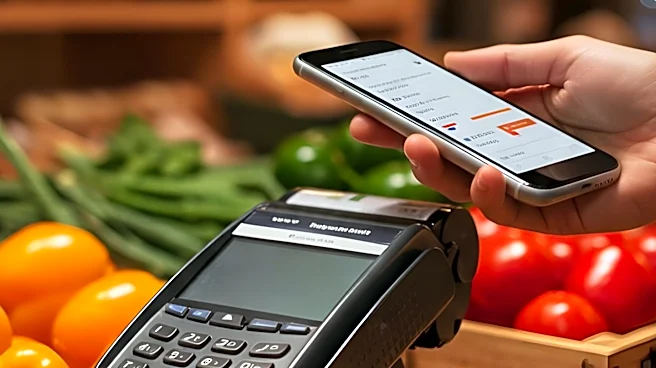
online and in-store journeys, from browsing products online to trying them in a physical store and completing purchases through various channels. The core of omnichannel retailing lies in the comprehensive and cohesive integration of online and in-store processes, including payment experiences and cross-channel returns. Retailers are connecting physical and digital payment systems to facilitate smoother transitions for customers. Additionally, omnichannel store operations now incorporate decisions regarding pickup and ship-from-store options, adding layers of complexity to daily management. The goal is to provide consistent, up-to-date, and interoperable operations across all channels, addressing challenges such as price updates, campaign implementation, and product information accuracy.
Why It's Important?
The rise of omnichannel retailing significantly impacts the U.S. retail industry by revolutionizing consumer shopping habits and reshaping business operations. This integrated approach enhances customer satisfaction by offering flexibility and convenience, allowing consumers to interact with brands across multiple touchpoints. For businesses, it means optimizing operational efficiency by ensuring consistent data, technology, and processes across all sales channels. Companies that successfully implement omnichannel strategies can gain a competitive advantage by meeting evolving consumer expectations and fostering stronger customer loyalty. Conversely, retailers failing to adapt risk losing market share to more integrated competitors. The shift also drives technological advancements in retail, such as the increased adoption of electronic shelf labels (ESLs) for managing in-store information digitally, which is crucial for maintaining price and product consistency across channels. This integration is vital for both customer experience and the operational health of retail businesses.
What's Next?
The future of omnichannel retailing will likely see further technological integration and optimization. Retailers will continue to invest in solutions that connect customer-facing payment channels through shared back-end operating models, aiming for even greater consistency in experience and supporting operations. The role of digital tools, such as electronic shelf labels, in managing in-store information will expand, becoming more central to integrated retail strategies. Expect to see continued innovation in how physical and digital touchpoints interact, potentially leading to more personalized shopping experiences and streamlined logistics for order fulfillment and returns. The focus will remain on making the customer journey as frictionless as possible, which will necessitate ongoing advancements in data analytics, inventory management, and customer relationship management systems to support these integrated channels effectively.
Beyond the Headlines
Beyond the immediate operational benefits, omnichannel retailing has deeper implications for the retail landscape and consumer behavior. It blurs the lines between traditional brick-and-mortar and e-commerce, creating a hybrid shopping environment that caters to diverse consumer preferences. This shift challenges conventional retail models and encourages a more holistic view of the customer journey. Ethically, it raises questions about data privacy and the use of consumer data collected across various channels to personalize experiences. Legally, it may necessitate new regulations regarding data integration and consumer protection. Culturally, it signifies a move towards instant gratification and hyper-convenience, where consumers expect seamless interactions regardless of the platform. The long-term impact could be a complete redefinition of what constitutes a 'store' or a 'shopping experience,' moving towards a more fluid and interconnected retail ecosystem where the customer is always at the center.