



What's Happening?
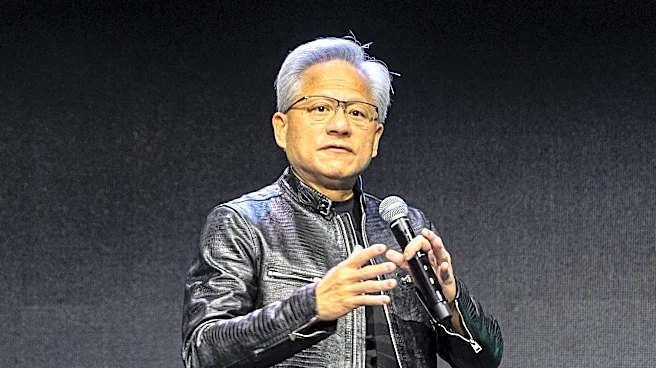
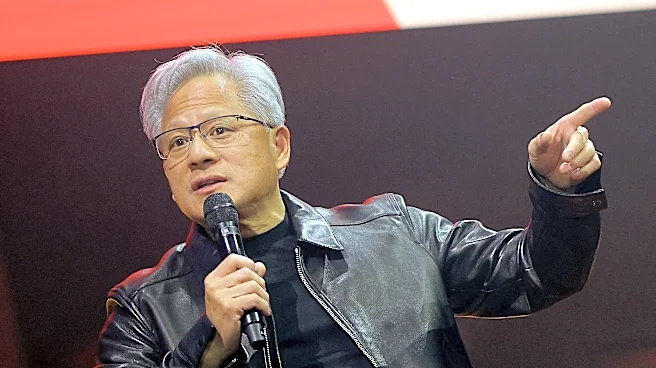
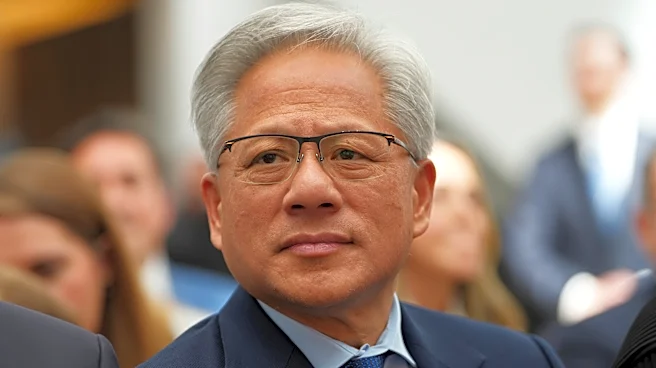
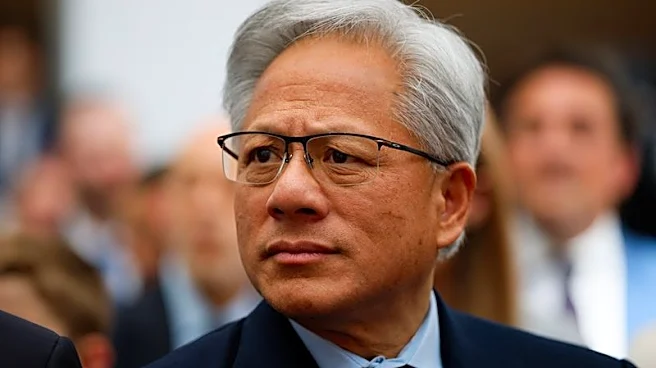
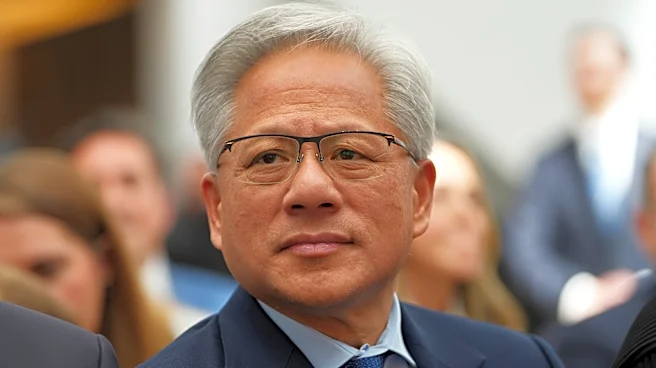
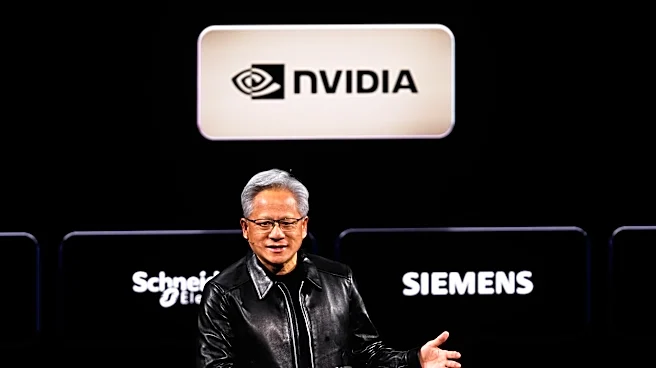
Nvidia CEO Jensen Huang's leadership is under intense scrutiny after he admitted to an affair with Alice Huang, an executive at a Singapore-based company identified by U.S. intelligence services as a Chinese intelligence asset. This admission has led
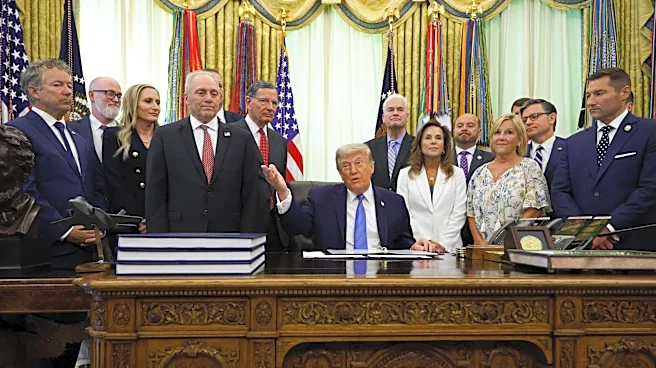
Nvidia's board of directors to launch an independent investigation into the incident. Jensen Huang, who co-founded Nvidia in 1993, has committed to cooperating fully with the review. The situation has raised concerns given Huang's significant role in the artificial intelligence industry, where Nvidia controls 90 percent of the market for chips essential to training frontier AI models. Huang's influence extends to determining which AI sectors receive critical chip supplies and his company has invested billions in major AI firms like OpenAI and Anthropic. His close ties to President Trump and his prominent voice in U.S.-China relations further amplify the implications of this development.
Why It's Important?
This situation is critical due to Jensen Huang's indispensable role in the U.S. AI industry and Nvidia's market dominance. As the primary supplier of AI chips, Nvidia's stability and leadership are crucial for the ongoing development and deployment of artificial intelligence technologies. Any disruption to Huang's leadership could create significant uncertainty for customers and the broader AI ecosystem, which relies heavily on Nvidia's products and strategic direction. The involvement of a suspected Chinese intelligence asset in Huang's personal life also raises national security concerns, particularly given the strategic competition between the U.S. and China in advanced technology. The incident could impact investor confidence, as evidenced by Nvidia's stock price decline, and potentially influence future U.S. policy regarding technology executives' personal conduct and foreign relations.
What's Next?
The immediate next step is the ongoing independent investigation by Nvidia's board of directors. The outcome of this review will determine Jensen Huang's future at the company, as he is an at-will employee. Depending on the findings, potential consequences could range from a formal reprimand to his removal as CEO. The AI industry will closely watch these developments, as a change in leadership at Nvidia could lead to shifts in chip allocation, investment strategies, and overall market dynamics. Customers, including major AI developers, may face uncertainty regarding future supply chains and partnerships. Additionally, political leaders and intelligence agencies may intensify their scrutiny of relationships between key technology executives and foreign entities, potentially leading to new guidelines or regulations.
Beyond the Headlines
Beyond the immediate corporate and market implications, this event highlights deeper issues concerning national security in the age of technological competition. The alleged involvement of a Chinese intelligence asset underscores the persistent efforts by foreign powers to gain insights or influence within critical U.S. technology sectors. It also brings to the forefront the ethical considerations for executives in high-stakes industries, where personal relationships can inadvertently become national security vulnerabilities. The incident could prompt a broader re-evaluation of corporate governance practices, particularly regarding the oversight of executives in sensitive roles and their interactions with foreign nationals. This situation may also fuel debates about the balance between personal privacy and national security interests for individuals holding pivotal positions in critical infrastructure and advanced technology.