






What's Happening?
Bleisure travel, which combines business and leisure activities within a single trip, is experiencing a significant increase in the United States. A Hotels.com report indicates that 37% of Americans are now traveling more for work than they did before
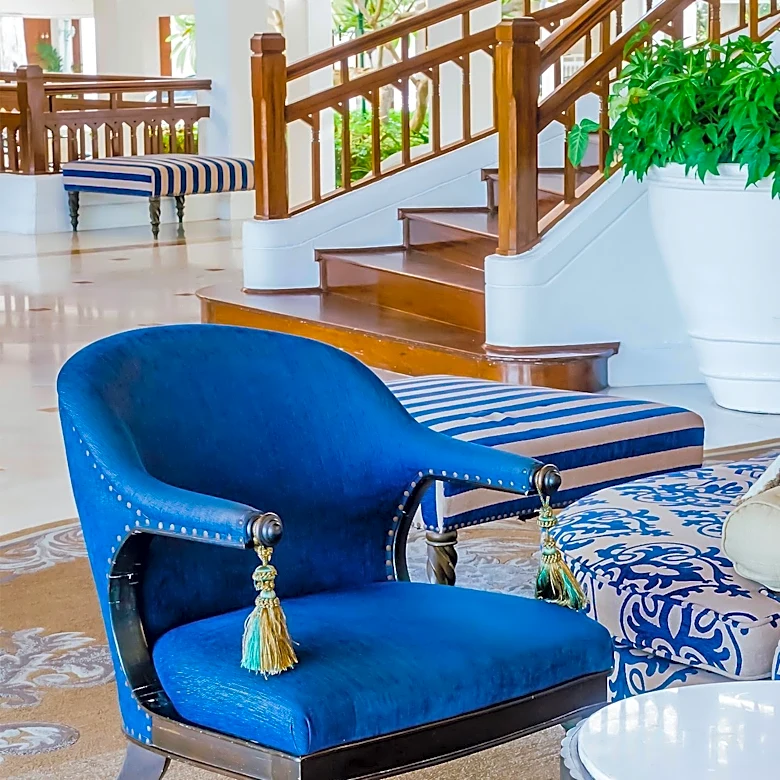
the COVID-19 pandemic. This trend is reshaping the travel industry, with nearly two-thirds (63%) of travelers stating that the best business destinations facilitate a blend of work and leisure. Tech workers and tradespeople are identified as the most frequent business travelers, with tech professionals traveling 50% more often than pre-pandemic levels and having some of the highest travel budgets. The report also highlights that free breakfast is the most valued hotel perk for business travelers, surpassing loyalty rewards and flexible check-in options. Hotels.com has responded by launching a new business travel experience globally, allowing travelers to save work-trip preferences, find business-ready hotels, rebook preferred stays, and earn rewards within a single account for both personal and business travel.
Why It's Important?
The rise of bleisure travel has significant implications for the U.S. hospitality and travel industries. It necessitates a shift in how hotels and travel service providers cater to business travelers, moving beyond traditional corporate amenities to offer experiences that integrate leisure. This trend creates new revenue opportunities across various sectors, including accommodation, dining, attractions, retail, transport, and entertainment, as travelers extend their stays and spend more. For businesses, adapting to this trend can enhance employee satisfaction and retention, as professionals increasingly seek work-life balance and opportunities for recuperation during business trips. The emphasis on perks like free breakfast over loyalty rewards suggests a need for immediate, tangible benefits that cater to the practical needs of business travelers. Furthermore, the increased travel among tech workers and tradespeople indicates a robust demand from specific professional segments, prompting targeted marketing and service development.
What's Next?
The travel industry is expected to continue adapting to the growing bleisure trend. Hotels and travel companies will likely further integrate features that support both work and leisure, such as enhanced Wi-Fi, dedicated workspaces, and easy access to local attractions. Travel rewards programs may evolve to offer more flexible options that allow business travelers to seamlessly convert work-earned points into leisure benefits, as suggested by dual-earning models implemented by companies like Delta and American Airlines. There will also be a continued focus on personalized travel experiences, with platforms offering tailored recommendations and perks. As remote work remains prevalent, the demand for longer stays that accommodate both professional duties and personal exploration is anticipated to grow, influencing urban planning and the development of mixed-use properties in popular bleisure destinations like New York, Los Angeles, and Miami.
Beyond the Headlines
The bleisure phenomenon reflects a deeper cultural shift in the perception of work and leisure, blurring the lines between professional obligations and personal well-being. This trend challenges the traditional corporate travel model, which often prioritized efficiency over employee comfort and personal enrichment. The increasing demand for bleisure travel underscores a growing recognition among both employees and employers of the importance of mental recovery and work-life balance. It also highlights the psychological aspect of travel, where individuals may adopt different personas for work versus leisure, seeking environments that allow for both focused productivity and relaxed exploration. This shift could lead to a re-evaluation of corporate duty of care, with companies investing more in premium travel experiences that prevent executive burnout and promote overall employee wellness, ultimately impacting long-term productivity and leadership retention.