



What's Happening?
Studio apartment design is evolving to emphasize vertical space, multi-use furniture, and intentional zoning to minimize clutter and maximize utility. Modern studio apartments are designed to transform limited footprints into high-functioning environments.
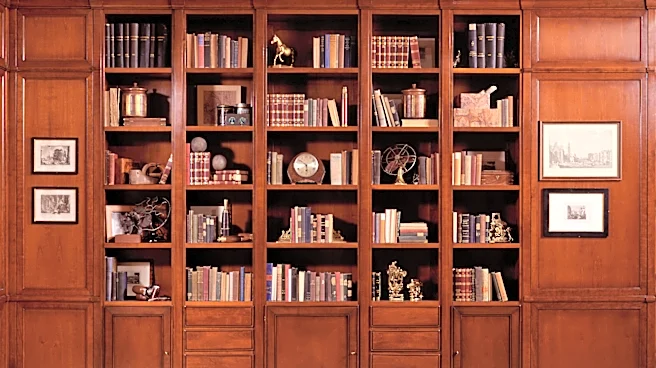
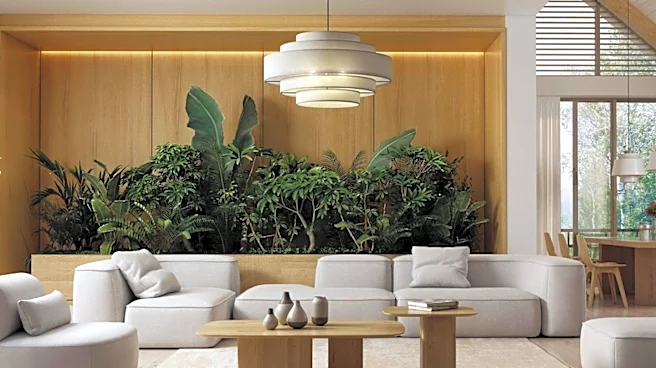
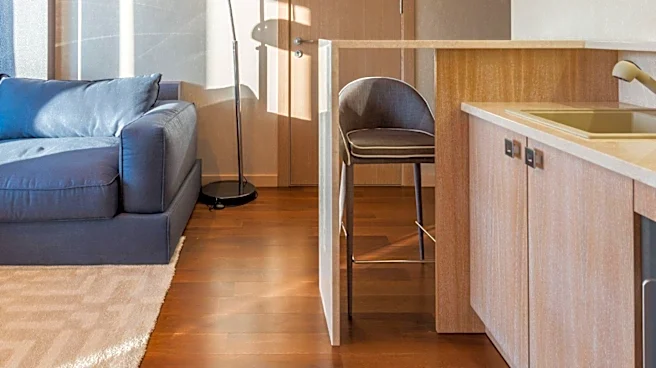
Key design elements include open-concept layouts, which remove non-bearing walls to create a sense of airiness, and multi-functional furniture like sofa beds with full-size mattresses and integrated storage. Architects are also treating vertical space as prime real estate, incorporating floor-to-ceiling closets, under-bed storage, and built-in shelving to keep personal belongings hidden yet accessible. The goal is to create a sense of order and intention, making the space feel calm and curated rather than small or disorganized. High-end finishes such as engineered hardwood flooring and quartz countertops are frequently used to elevate the standard of living.
Why It's Important?
This shift in studio apartment design is important for urban living, particularly in cities where space is at a premium. It allows residents to access a form of luxurious living without the high cost typically associated with larger units. By focusing on efficient design, individuals can achieve comfort and functionality within constrained square footage. This approach benefits young professionals, downsizing empty-nesters, and minimalists who prioritize experience over accumulation. The emphasis on smart layouts and multi-functional elements addresses the practical challenges of living in smaller spaces, offering solutions that enhance daily life. Furthermore, the integration of high-end finishes signals a commitment to quality, making these units feel more like curated retreats than temporary stopgaps. This trend also influences the real estate market, as developers leverage these design strategies to meet the growing demand for efficient and well-designed urban housing.
What's Next?
The trend of optimizing studio apartment design is likely to continue, with further innovations in space-saving furniture and smart home technology. Developers will likely explore more advanced modular furniture systems and integrated storage solutions to enhance functionality. There may also be an increased focus on communal amenities within apartment buildings, such as co-working spaces, fitness centers, and pet-friendly facilities, to compensate for smaller private living areas. As remote work remains prevalent, the demand for quiet, professional co-working nooks within residential buildings is expected to grow. Additionally, the use of sustainable materials and energy-efficient designs could become more prominent, aligning with broader environmental concerns. The market will likely see more studios offering a blend of luxury finishes and practical design, catering to a demographic that values efficiency, location, and a curated lifestyle.
Beyond the Headlines
Beyond the immediate benefits of efficient living, this design philosophy reflects a broader cultural shift towards minimalism and intentional living. It challenges the traditional notion that luxury is solely defined by square footage, instead emphasizing quality of design, functionality, and a sense of calm. This approach can lead to a more sustainable lifestyle by encouraging less consumption and a greater appreciation for well-designed, multi-purpose items. Ethically, it promotes accessibility to desirable urban locations for a wider range of income levels, as smaller, well-designed units can be more affordable. The psychological impact of living in an organized and intentional space can also contribute to improved well-being and reduced stress. This trend could also influence urban planning, encouraging the development of more compact, mixed-use communities that prioritize walkability and access to amenities, further enhancing the quality of life for city dwellers.