







What's Happening?
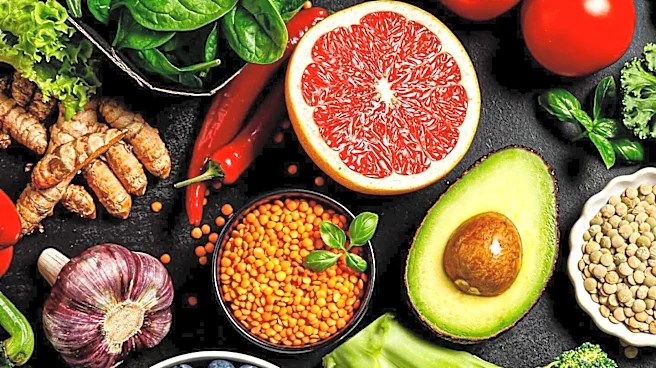
The term 'superfood' is widely used to describe nutrient-dense foods like chia seeds, acai berries, spirulina, and turmeric, which are popular for their high antioxidant content and potential health benefits such, as improved energy and immunity. However,
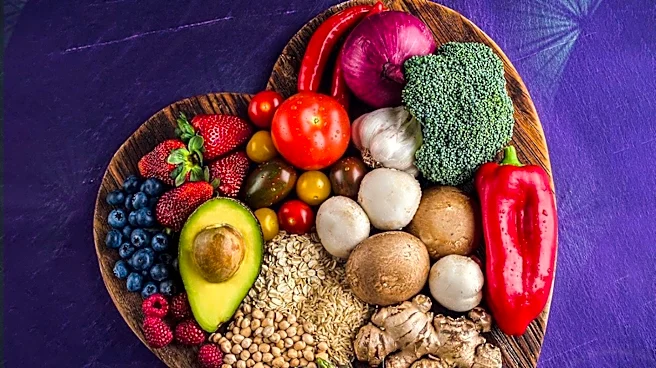
according to Allison Childress, PhD, RDN, CSSD, LD, a clinical dietitian at Texas Tech University, 'superfood' is not an official nutrition category, nor is there an official 'superfood' diet. Many commonly labeled superfoods, such as berries, leafy greens, nuts, seeds, legumes, whole grains, and olive oil, naturally fit within established, evidence-based nutrition patterns like the Mediterranean diet. This approach emphasizes overall eating patterns rather than individual foods. While these foods offer specific benefits, a balanced diet with a variety of nutrient-dense foods is crucial. Whole foods are generally preferred over supplements due to their complete nutritional profile, though supplements can address documented deficiencies.
Why It's Important?
The widespread marketing of 'superfoods' can influence consumer spending and dietary choices, sometimes promoting premium-priced items without clear scientific backing for superior benefits over more affordable, everyday foods. For instance, a study comparing commercially promoted 'superfoods' with common Indian foods for type 2 diabetes management found that affordable Indian foods offered comparable or greater cardiometabolic benefits. This highlights a potential disconnect between marketing claims and actual nutritional value, especially concerning cost-effectiveness. The focus on individual 'superfoods' can also lead to 'nutritional tunnel vision,' where consumers might overlook the importance of a balanced diet or add excessive sugar and calories to otherwise healthy items, negating their benefits. Understanding the distinction between marketing and scientific evidence is crucial for making informed dietary decisions and avoiding unnecessary expenses.
What's Next?
Consumers are encouraged to prioritize a balanced diet rich in a variety of nutrient-dense whole foods rather than relying solely on specific 'superfoods.' Dietitians like Michael Reavis Jr., MS, RD, LDN, CSSD, suggest focusing on adding nutrient-dense foods to existing meals and performing dietary audits to identify nutritional gaps. This approach promotes flexibility and makes healthy eating more sustainable. The industry may see a continued push for transparency in health claims and a greater emphasis on the overall nutritional profile of products. Educational initiatives from health professionals will likely continue to guide consumers toward evidence-based dietary patterns, such as the Mediterranean diet, which naturally incorporate many of the beneficial components found in 'superfoods' without the associated marketing hype or premium pricing.
Beyond the Headlines
The 'superfood' phenomenon reflects a broader societal trend towards seeking quick fixes and optimal health through specific products, often driven by marketing and social media. This can create a perception that certain foods possess magical qualities, overshadowing the fundamental principles of nutrition. The emphasis on individual 'superfoods' can also contribute to food fads and an 'all-or-nothing' approach to eating, potentially leading to guilt or frustration if expectations are not met. A more holistic understanding of nutrition, focusing on diverse, balanced, and sustainable eating habits, is essential for long-term health. This includes recognizing that while some foods are indeed nutrient powerhouses, their benefits are maximized when integrated into a comprehensive and varied diet, rather than being consumed in isolation or as a substitute for overall healthy eating.