





What's Happening?
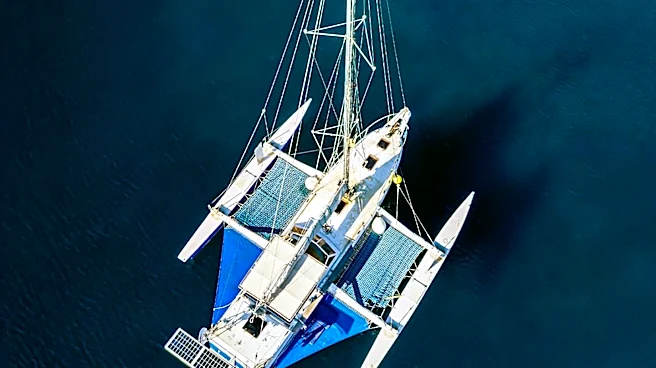
Floating data centers are emerging as a solution to the growing demand for AI computing power, which requires high power densities and advanced cooling systems. These centers, situated offshore, leverage seawater for cooling, significantly reducing power demand.
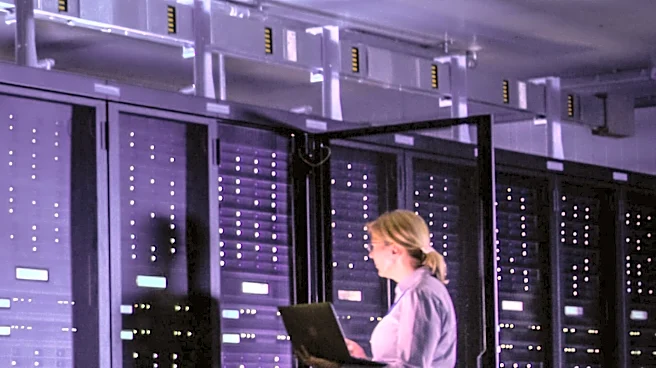
The maritime environment offers a mature discipline for maintaining uptime, crucial for AI workloads that experience dynamic power demands. The industry standard for uptime is 99.999%, but AI clusters often face higher failure rates due to the complexity of training runs. Offshore data centers aim to mitigate these issues by using predictive analytics and operational technology data to maintain stable operations.
Why It's Important?
The development of floating data centers is significant as it addresses the constraints faced by land-based data centers, such as grid connections and water resources. By moving offshore, these centers can expand without the limitations of local infrastructure and community tolerance. This shift is crucial for supporting the rapid growth of AI technologies, which are integral to various industries, including real-time search engines and chatbots. The ability to maintain high uptime and reduce downtime costs is vital for the commercial viability of AI applications, which can suffer significant financial impacts from outages.
What's Next?
As floating data centers become more prevalent, the focus will be on optimizing long-term asset performance and integrating new technologies. The offshore sector's experience in reliability-centered maintenance and risk-based inspection will be applied to manage the lifecycle of both the marine infrastructure and the rapidly evolving computing hardware. This approach will ensure that floating data centers can adapt to changing technologies and customer requirements while maintaining operational reliability over decades.
Beyond the Headlines
The transition to floating data centers represents a convergence of maritime and digital infrastructure expertise. This new operational environment requires multidisciplinary teams to develop a common language and shared knowledge. The success of these centers will depend on independent classification and technical assurance to build confidence among developers, investors, and customers. The integration of proven offshore methodologies with emerging computing technologies will create a unique operational framework, setting a precedent for future digital infrastructure developments.