



What's Happening?
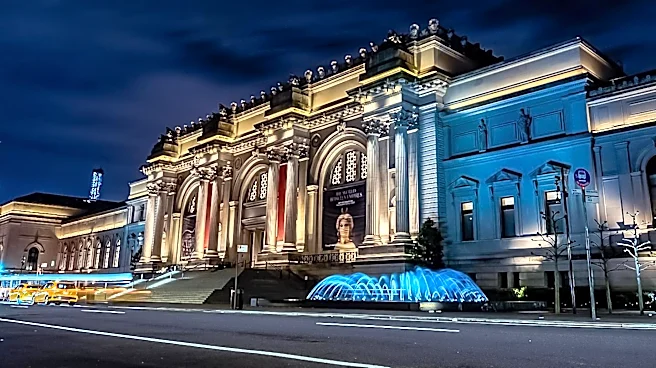
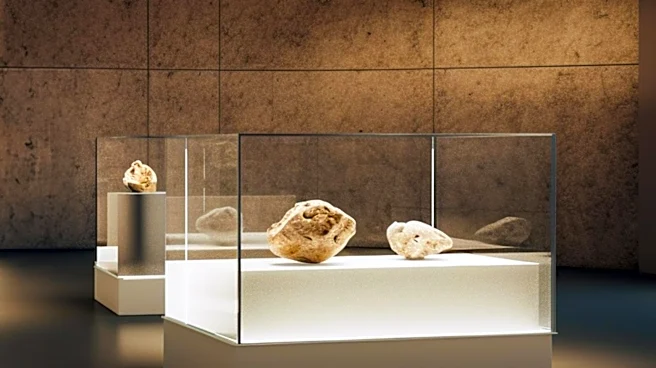
Museums and exhibition spaces are carefully selecting wallpapers for gallery walls to ensure they complement artwork without competing for attention. The focus is on creating a cohesive visual language throughout the building, from main galleries to corridors
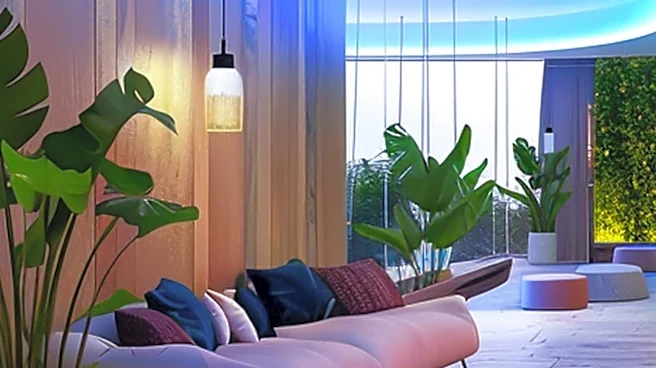
and reception areas. For traditional art settings, subtle textures and deep, muted tones like warm charcoal, dusty sage, or finely textured neutrals are preferred. These choices provide a rich, grounded backdrop that allows paintings and sculptures to be the focal point. In contrast, contemporary or themed exhibitions might utilize large-scale wall murals to create immersive environments, making the wall itself part of the visitor experience. The selection process also considers how materials like polished concrete, dark wood, or stone will pair with the wallpapers, and how different lighting schemes (natural, track lighting, spotlights) will affect the perception of wall colors and patterns. Warmer wall tones are often favored under incandescent-style lighting, while cooler grays and blues suit spaces with more daylight or LED installations.
Why It's Important?
The strategic design of museum gallery walls is crucial for optimizing the visitor experience and effectively showcasing art. By choosing backdrops that enhance rather than distract, museums can ensure that the artistic integrity and impact of their collections are fully realized. This approach influences how art is perceived, potentially deepening visitor engagement and appreciation. The careful consideration of color, texture, and pattern in relation to lighting and other architectural elements contributes to a professional and intentional atmosphere, which can elevate a museum's reputation and draw more visitors. Furthermore, the distinction between traditional and contemporary exhibition wall treatments highlights evolving curatorial practices and the diverse ways in which art can be presented to the public, catering to different artistic styles and thematic narratives. This thoughtful design also impacts the longevity and preservation of the art by creating an optimal viewing environment.
What's Next?
As museums continue to evolve their exhibition strategies, there will likely be an ongoing emphasis on integrating wall design more seamlessly with curatorial themes. Future trends may involve further innovation in wallpaper materials and digital projection technologies that allow for dynamic and adaptable wall displays. Museums might also explore more interactive wall elements that respond to visitor presence or specific artworks, creating a more personalized and immersive experience. The role of lighting will remain paramount, with advancements in smart lighting systems offering greater control over how wall colors and textures are presented. Additionally, as sustainability becomes a greater concern, museums may increasingly opt for eco-friendly wallpaper materials and production methods, aligning their design choices with broader environmental goals. This continuous evolution aims to keep museum spaces fresh, engaging, and relevant to contemporary audiences.
Beyond the Headlines
The meticulous approach to museum gallery wall design reflects a deeper understanding of environmental psychology and its impact on aesthetic perception. The choice of subtle, non-competing backdrops is not merely an aesthetic preference but a deliberate strategy to minimize cognitive load and direct attention effectively. This design philosophy underscores the idea that the viewing environment is an integral part of the art experience, subtly influencing emotional responses and intellectual engagement. Furthermore, the use of immersive murals in contemporary exhibitions blurs the lines between art and architecture, transforming the gallery space itself into an artistic medium. This trend challenges traditional notions of how art is contained and presented, fostering a more holistic and experiential engagement with cultural artifacts. The careful balance between visual presence and subservience to the art also highlights the ethical responsibility of institutions to present works in a manner that respects their original intent and maximizes their communicative power.