


What's Happening?
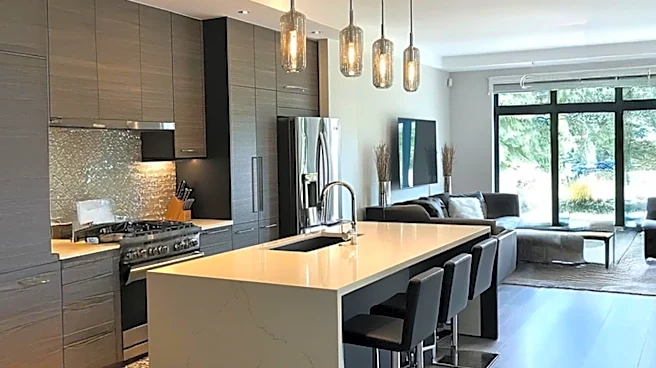
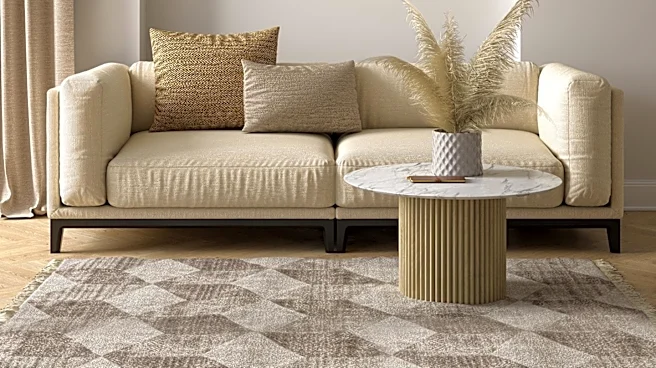
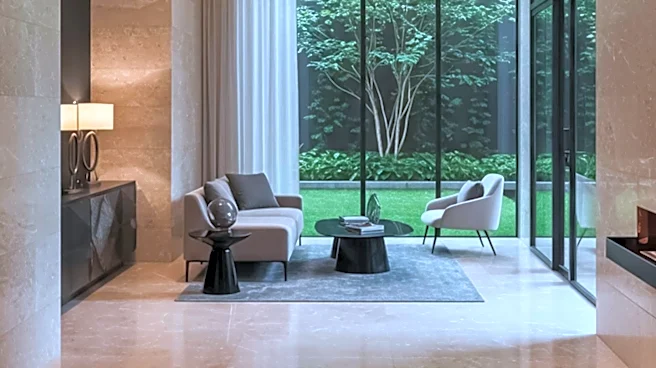
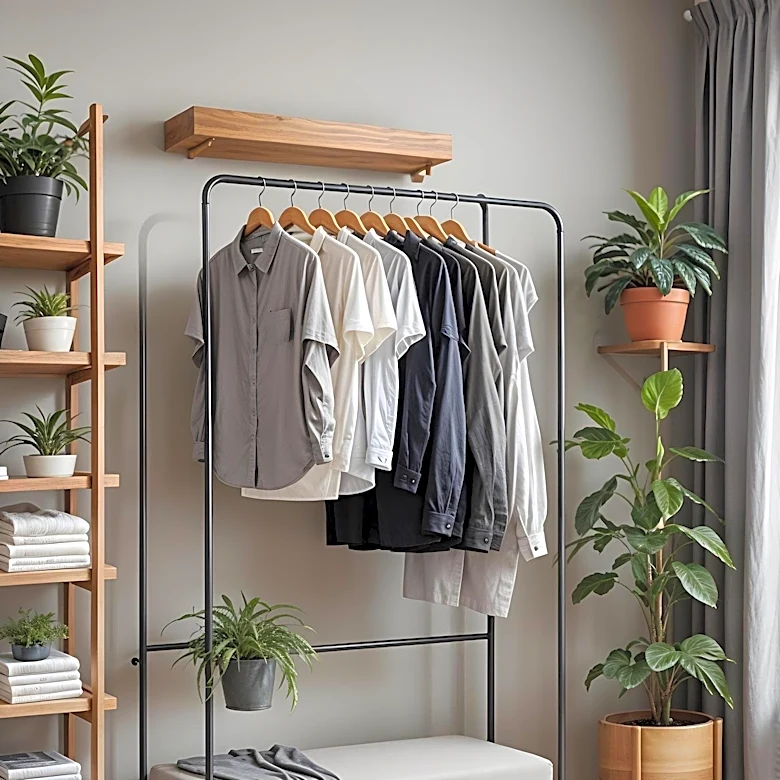
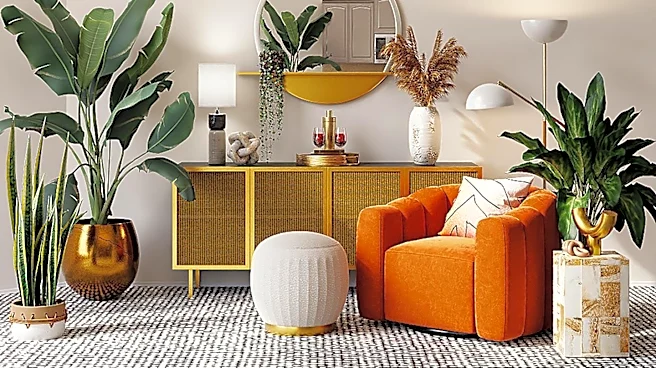
In October 2026, luxury home design is characterized by a shift towards 'quiet luxury,' emphasizing understated sophistication, quality craftsmanship, and advanced functionality over overt opulence. This trend prioritizes tactile textures like plush wool
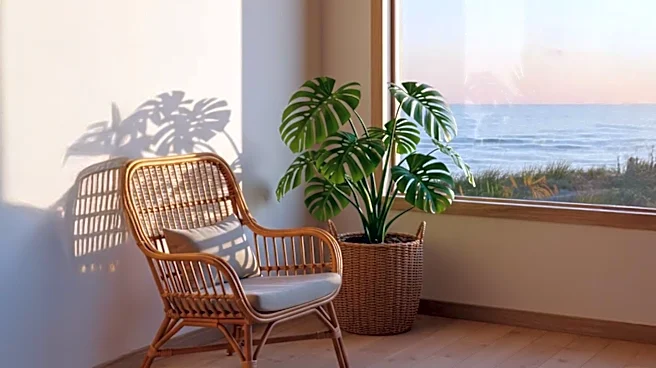
and silk, a warm, neutral color palette, and minimalist forms that highlight the inherent beauty of natural materials such as polished marble and refined wood. Homes are designed to seamlessly integrate indoor and outdoor living spaces through features like cornerless glass doors and expansive covered loggias. Essential architectural elements include reinforced concrete construction for durability, bespoke millwork, and custom stone countertops. High-performance amenities, such as smart automation systems, home wellness centers, and quiet technology, are fundamental components, ensuring comfort, convenience, and well-being for residents.
Why It's Important?
This evolution in luxury home design reflects changing preferences among affluent consumers in the U.S., who are increasingly seeking homes that are both visually stunning and deeply connected to their environment and personal needs. The focus on 'quiet luxury' and advanced functionality drives innovation in the construction and interior design industries, promoting the use of high-quality, sustainable materials and sophisticated technological integrations. This trend benefits skilled artisans, architects, and technology providers, creating demand for specialized services and products. It also influences the real estate market, as properties incorporating these design principles are likely to command higher values. For homeowners, it offers a sanctuary that blends grand entertaining possibilities with intimate family environments, enhancing their lifestyle and well-being.
What's Next?
The 'quiet luxury' aesthetic is expected to continue shaping the high-end residential market, with designers and builders further refining the integration of advanced technology and sustainable practices. Future developments may see an even greater emphasis on personalized wellness spaces, resilient infrastructure systems, and site-responsive architecture that harmonizes with natural surroundings. The demand for bespoke craftsmanship and material honesty will likely grow, pushing manufacturers and suppliers to offer more unique and high-quality options. This trend could also lead to increased collaboration between architects, interior designers, and technology specialists to create truly integrated and intelligent living environments. The market will likely see more homes designed not just for aesthetics, but for long-term comfort, efficiency, and adaptability to individual lifestyles.
Beyond the Headlines
The rise of 'quiet luxury' in home design signifies a broader cultural shift away from ostentatious displays of wealth towards a more refined and intentional approach to living. This trend suggests a desire for authenticity and enduring value, where quality and craftsmanship are valued above brand visibility. It also highlights the increasing importance of privacy, security, and well-being in the luxury market, as homeowners seek sanctuaries that offer both physical and mental respite. The seamless integration of technology, while enhancing convenience, also raises questions about data privacy and the potential for over-reliance on automated systems. Ultimately, this design philosophy reflects a sophisticated consumer base that values thoughtful living and a harmonious relationship with their personal environment.