


What's Happening?
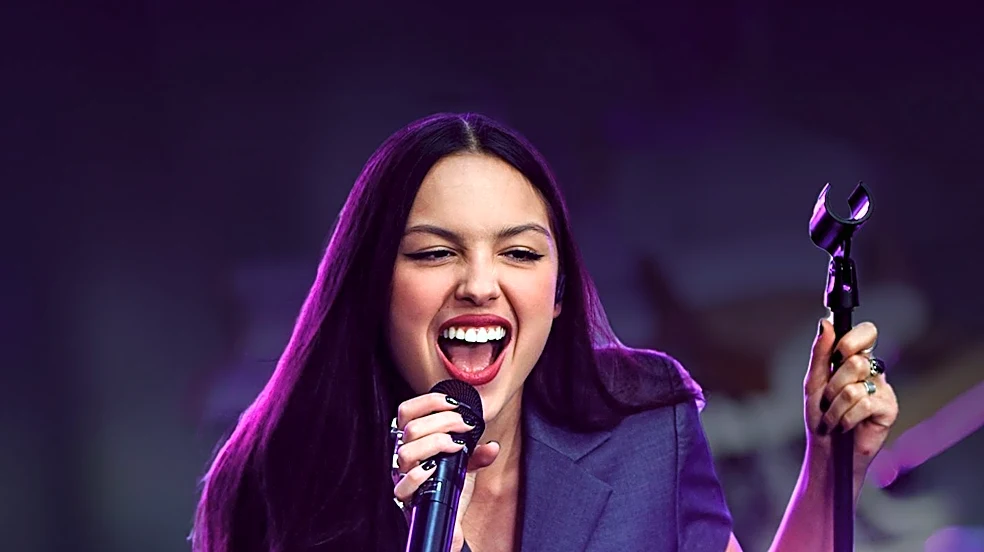
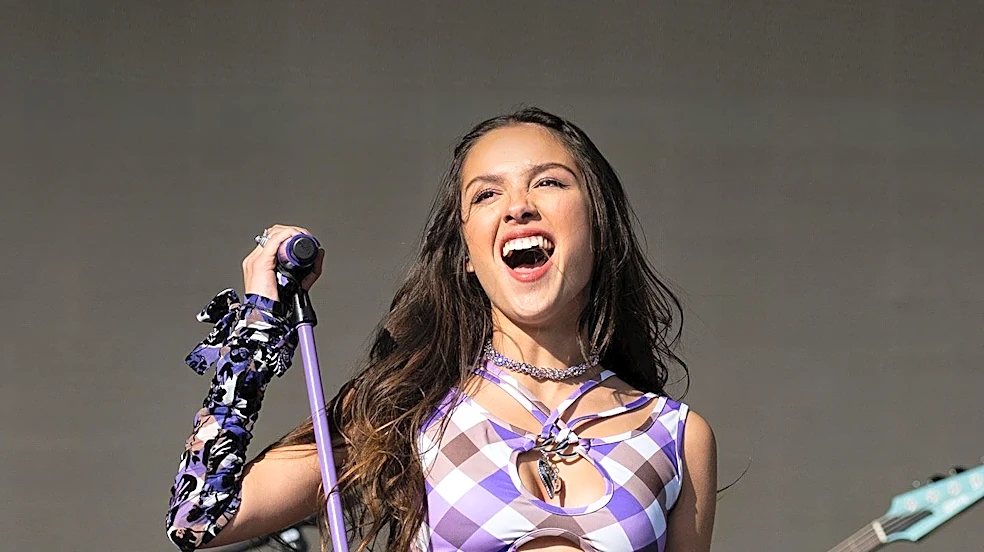
Pop artist Olivia Rodrigo has publicly declared her firm stance against using artificial intelligence in her music, stating she would 'never' incorporate AI. Her comments come amidst a growing debate within the music industry regarding AI's role, with some
artists embracing it and others, like Sting and Billie Eilish, expressing strong opposition. Rodrigo's decision aligns with recent industry actions, including Apple Music's plan to label AI-generated songs and the Australian Recording Industry Association (ARIA) making fully AI-created songs ineligible for its charts. This development also coincides with leading AI music platform Suno facing multiple copyright lawsuits from major music labels like Universal Music Group, Sony Music Group, and Capitol Records, as well as a class-action lawsuit from artist Jason Isbell, all alleging unauthorized use of content for AI training and exploitation of artists' likenesses.
Why It's Important?
Olivia Rodrigo's vocal opposition to AI in music adds a significant voice to the ongoing industry debate, potentially influencing her large fanbase and other artists. Her stance highlights the growing divide between those who see AI as a creative tool and those who view it as a threat to artistic integrity and intellectual property. The industry's move towards labeling AI-generated content and excluding it from charts reflects a broader effort to establish boundaries and transparency in the face of rapidly advancing technology. The numerous copyright lawsuits against AI platforms like Suno underscore the critical legal and ethical challenges surrounding AI's use of existing copyrighted material for training, raising fundamental questions about fair use, artist compensation, and the future of intellectual property in the digital age. These legal battles could set precedents for how AI is regulated within the creative industries.
What's Next?
The debate surrounding AI in music is expected to intensify, with more artists likely taking public stances for or against its use. We can anticipate further actions from streaming platforms and industry bodies to regulate and label AI-generated content, potentially leading to more standardized guidelines. The ongoing copyright lawsuits against AI music platforms will be closely watched, as their outcomes could significantly shape the legal landscape for AI development and deployment in creative fields. These cases may lead to new legislation or industry agreements regarding data training, artist consent, and royalty distribution for AI-assisted works. The tension between technological innovation and the protection of human artistry will continue to drive discussions and policy changes within the music industry.
Beyond the Headlines
Olivia Rodrigo's rejection of AI in her music, coupled with the industry's regulatory responses and legal challenges, points to deeper concerns about authenticity, artistic control, and the human element in creative expression. The fear among many artists is that AI could devalue human creativity, dilute artistic originality, and lead to widespread exploitation of existing works without proper attribution or compensation. This situation forces a re-evaluation of what constitutes 'art' and 'authorship' in an era where machines can generate creative content. The legal battles highlight the urgent need for updated intellectual property laws that can adequately address the complexities of AI-generated content and the use of copyrighted material for AI training. Ultimately, the industry is grappling with how to harness the potential benefits of AI while safeguarding the rights, livelihoods, and unique contributions of human artists.