




What's Happening?
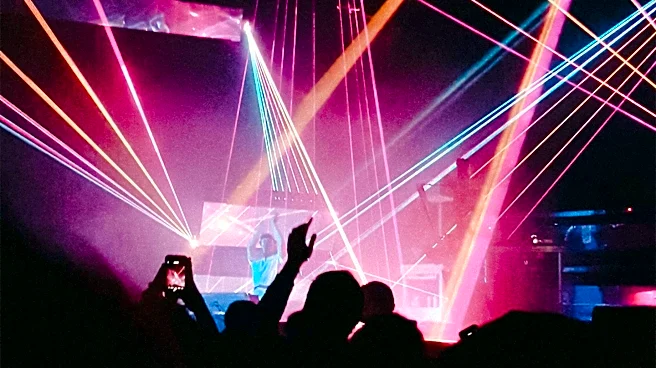
Colgate University recently hosted "The World’s First Gen-X Lo-Fi Laser Rock Show or Whatever" at its Ho Tung Visualization Lab on November 6 and 7. The event showcased lesser-known '90s lo-fi artists, giving their music a new platform through a laser-show
experience. Organized by Adam Samuel Goldman '94, the Christian A. Johnson Artist-in-Residence, as part of his semester-long project "An Agreeable Kind of Horror," the show aimed to evoke nostalgia for Gen-X attendees while highlighting the genre of indie music. Special guest Jon Dolan '96, a contributing editor at Rolling Stone and music critic, collaborated on the event, emphasizing the importance of recognizing independently created music that historically received less mainstream attention. The show featured visual pairings with songs like Liz Phair’s “Supernova” and Yo La Tengo’s “Satellite,” utilizing the planetarium setting to bring the vision to life. Members of WRCU-FM 90.1, including Music Director Eleanor Nguyen and Sports Director David Netzer, also contributed, and a panel discussion on the resurgence of these sounds in contemporary music concluded the event.
Why It's Important?
This event is important as it underscores a growing trend of re-evaluating and celebrating music from past eras, particularly the '90s indie rock scene, which often operated outside mainstream commercial success. By featuring lesser-known artists in a unique, immersive format, Colgate University is contributing to the cultural preservation and reintroduction of influential, yet overlooked, musical works. This initiative can inspire other educational and cultural institutions to explore similar projects, fostering a deeper appreciation for diverse musical histories. For the artists involved, even posthumously, such events can reignite interest in their catalogs and influence new generations of musicians. The collaboration between academic figures, music critics, and student radio members also highlights an intergenerational effort to connect with and understand musical evolution, demonstrating how past sounds continue to inform current creative decisions and discussions within the indie and underground music scenes.
What's Next?
The success of events like Colgate's laser rock show could pave the way for similar initiatives at other universities and cultural venues, potentially leading to a broader resurgence of interest in '90s lo-fi and indie rock. The involvement of student radio members and the concluding panel discussion suggest an ongoing dialogue about the genre's relevance and influence on contemporary music. This could encourage further academic exploration, critical analysis, and artistic projects centered on indie music's historical and current impact. Future events might expand to include more artists, different subgenres, or even touring versions of such immersive experiences, bringing this unique blend of nostalgia and artistic recognition to a wider audience. The project's emphasis on embracing unconventional and experimental approaches, as highlighted by Goldman, indicates a potential for continued innovative programming that challenges traditional concert formats.
Beyond the Headlines
Beyond the immediate impact, this event touches on deeper cultural and artistic implications. It challenges the conventional narrative of musical success, which often prioritizes commercial reach over artistic merit, by spotlighting artists who were influential despite lacking widespread recognition. The use of a planetarium for a laser show also transforms the concert experience into a multi-sensory art form, blurring the lines between music, visual art, and technology. This approach could inspire new forms of artistic expression and audience engagement in live music. Furthermore, the event's focus on '90s indie rock, a genre known for its independent spirit and diverse sounds, reflects a broader cultural yearning for authenticity and a rejection of overly polished, commercialized art. It suggests a cyclical nature of cultural appreciation, where past movements are re-examined and re-contextualized, offering fresh perspectives on artistic value and cultural heritage.