






What's Happening?
Nutrition plays a significant role in the mood and emotional well-being of seniors, according to Visiting Angels. The 'good bacteria' in the digestive system are crucial for breaking down food and producing substances that influence brain function and mood.
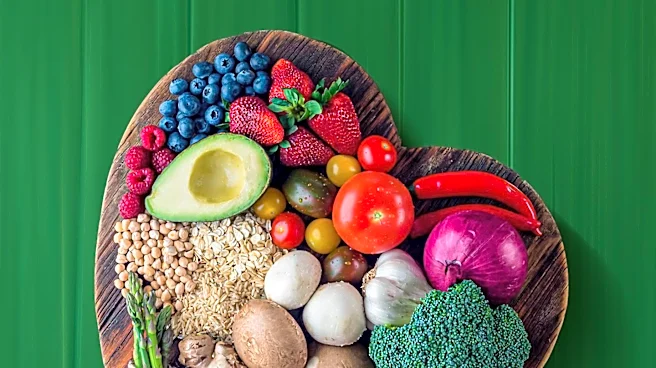
Certain foods can either increase inflammation, affecting mood-related brain chemicals, or help calm inflammation and support emotional balance. Fluctuations in blood sugar levels, caused by an unbalanced diet, can lead to mood swings. By making small, balanced dietary changes, caregivers can help stabilize energy and mood in their elderly loved ones. Before implementing significant dietary changes, it is important to consult with a doctor. The article highlights several mood-boosting foods such as fatty fish (salmon, tuna) rich in omega-3s, fermented foods (yogurt, kefir, sauerkraut) for gut health, bananas for fiber and steady energy, oats for stable blood sugar, berries for antioxidants, nuts and seeds for healthy fats and brain health, and beans and lentils for fiber and plant-based protein. Adequate hydration is also emphasized to prevent fatigue and irritability.
Why It's Important?
The connection between diet and mood in seniors is a critical aspect of overall health and quality of life, impacting both individuals and their caregivers. For seniors, improved mood and emotional stability can lead to a more positive outlook, better engagement in daily activities, and potentially reduced reliance on mood-altering medications. For caregivers, understanding and implementing these dietary adjustments can provide a non-pharmacological approach to support their loved ones' mental health, potentially easing the burden of care and improving the caregiving experience. The emphasis on gut health underscores the growing scientific understanding of the gut-brain axis, highlighting how a healthy digestive system can directly influence neurological and psychological well-being. This approach can lead to better health outcomes, reduced healthcare costs associated with mood disorders, and a more holistic view of senior care. The focus on accessible and easy-to-prepare foods also makes these recommendations practical for a wide range of care settings.
What's Next?
Caregivers are encouraged to gradually introduce new mood-boosting foods into seniors' diets, starting with one item at a time to gauge preferences. Communication with care providers, such as Visiting Angels, is vital to ensure dietary updates are incorporated into personalized care plans. Visiting Angels caregivers can assist with grocery shopping, meal planning, preparation, and hydration reminders, supporting seniors in maintaining healthy habits. Simple recipes like banana-almond smoothies, berry parfaits, infused water, and mixed nut trail mix are suggested for easy integration. For seniors with limited appetites, focusing on small, nutrient-rich foods like yogurt, smoothies, or oatmeal is recommended. The long-term impact of these dietary changes is expected to be significant, with some individuals noticing improvements in energy and mood relatively quickly, especially with consistent balanced meals. Continued research into the gut-brain axis will likely provide further insights into optimizing dietary interventions for mood enhancement.
Beyond the Headlines
The emphasis on diet as a mood enhancer for seniors extends beyond immediate emotional benefits, touching upon broader implications for public health and the perception of aging. This approach challenges the conventional reliance on pharmaceutical interventions for mood management, promoting a more natural and sustainable method. Ethically, it empowers caregivers and seniors by offering actionable strategies for self-care and well-being, fostering a sense of control over health outcomes. Culturally, it reinforces the importance of nutrition as a foundational element of health at all life stages, potentially shifting societal attitudes towards food choices for the elderly. The long-term shift could see a greater integration of nutritional counseling into geriatric care, moving towards preventive and holistic health models. This also highlights the economic benefit of potentially reducing the need for costly medications and hospitalizations associated with poor mental health in seniors, thereby contributing to a more efficient healthcare system.