








What's Happening?
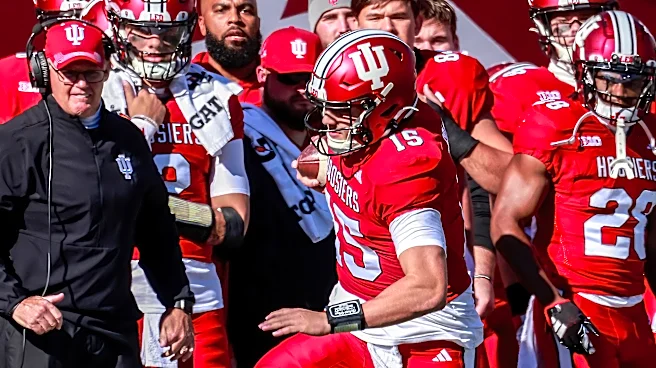
The Canadian Football League (CFL) has announced that it will not allow any of its teams to sign quarterback Brendan Sorsby. This decision comes in light of serious allegations against Sorsby, which the league has deemed concerning. The CFL emphasized
its commitment to maintaining the integrity of the league and ensuring fair competition. As a result, the league will not register a contract for Sorsby, nor will it permit any team to add him to its negotiation list. Sorsby, who has not shown interest in playing in the CFL, faces limited options following the NFL's decision to bar him from joining any of its teams in 2026. His potential paths include challenging the NFL's decision in court or waiting until April 2027 to be eligible for the NFL draft. The lack of a lawsuit since the NFL's announcement suggests that legal action may not be forthcoming.
Why It's Important?
This development highlights the challenges faced by athletes dealing with serious allegations, impacting their professional opportunities. The CFL's decision underscores the importance of league integrity and fair competition, setting a precedent for how sports organizations might handle similar situations. For Sorsby, this decision significantly limits his career options, as both major North American football leagues have now restricted his participation. This situation could influence how other leagues address allegations against players, potentially leading to stricter policies and more rigorous background checks. The broader impact on the sports industry includes heightened scrutiny on player conduct and the measures leagues take to uphold their reputations.
What's Next?
Brendan Sorsby may consider legal action to challenge the NFL's decision, although no lawsuit has been filed yet. If he chooses not to pursue this route, he will have to wait until the 2027 NFL draft to potentially join a team. Meanwhile, the CFL's stance may prompt other leagues to review their policies regarding player conduct and eligibility. Stakeholders, including teams and player associations, might engage in discussions about balancing player rights with league integrity. The outcome of Sorsby's situation could serve as a case study for future decisions involving player eligibility and conduct-related issues.