








What's Happening?
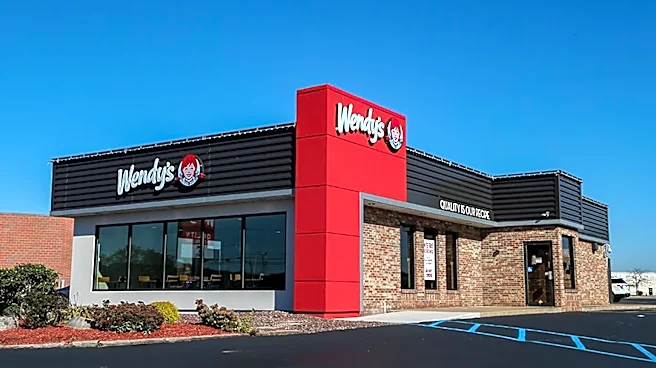
Roxie Ellis Douglas, a customer in Chicago, has filed a lawsuit against Wendy's, seeking over $50,000 in damages. Douglas alleges that she contracted an intestinal infection, acute infectious colitis, and gastroenteritis after consuming a double cheeseburger
and a baked potato from a Wendy's location. She claims the meal, delivered via DoorDash, was tainted with Campylobacter, a bacterium known to cause foodborne illness. Douglas's medical bills related to treating the infection have reportedly reached approximately $93,000. The lawsuit asserts that Wendy's failed to maintain proper kitchen cleanliness, adhere to basic food safety protocols for ingredient storage, and neglected its responsibility to inform customers about potential food dangers. Wendy's has not yet issued an official statement regarding the incident.
Why It's Important?
This lawsuit underscores the critical importance of food safety and hygiene standards in the fast-food industry. Foodborne illnesses can have severe health consequences for consumers and significant legal and financial repercussions for businesses. A lawsuit of this nature can severely damage a company's reputation, erode consumer trust, and lead to increased scrutiny from health authorities. For Wendy's, already facing challenges with declining quality perceptions and store closures, this legal action adds another layer of pressure. It highlights the potential liabilities associated with food preparation and delivery, emphasizing the need for stringent quality control measures at every stage, from ingredient sourcing to final delivery. The outcome of this case could influence food safety practices across the industry, particularly concerning third-party delivery services.
What's Next?
Wendy's will likely engage in legal proceedings to address Roxie Ellis Douglas's claims. This will involve investigating the specific incident, reviewing food preparation and safety logs at the implicated Chicago location, and potentially examining the delivery process. The company's response will be crucial in managing public perception and mitigating further damage to its brand. Depending on the findings, Wendy's may need to implement more rigorous food safety training for staff, enhance quality control audits, and potentially revise its protocols for handling and delivering food, especially in partnership with third-party services like DoorDash. The case could set a precedent for how fast-food chains are held accountable for foodborne illnesses linked to their products, particularly when delivered off-site.
Beyond the Headlines
This incident brings to light the complex challenges of maintaining food safety in the era of widespread food delivery services. While the lawsuit targets Wendy's, it implicitly raises questions about the shared responsibilities between restaurants and delivery platforms in ensuring food integrity from kitchen to consumer. The potential for contamination during transit, temperature control issues, and the handling practices of delivery personnel add layers of complexity to food safety oversight. This case could prompt broader discussions within the food service and delivery industries about establishing clearer guidelines, accountability frameworks, and enhanced monitoring mechanisms to protect public health. It also highlights the vulnerability of consumers who rely on these services and the importance of robust legal avenues for recourse when health is compromised.