







What's Happening?
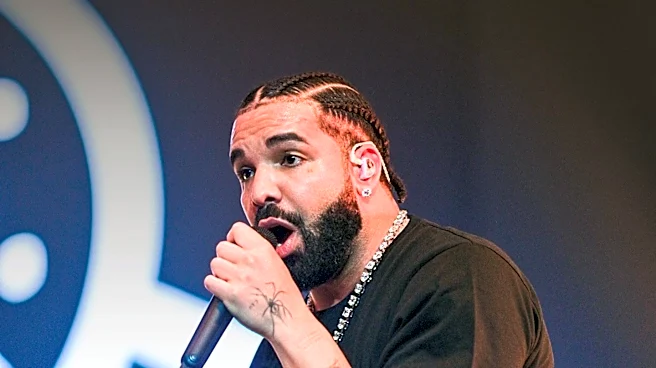
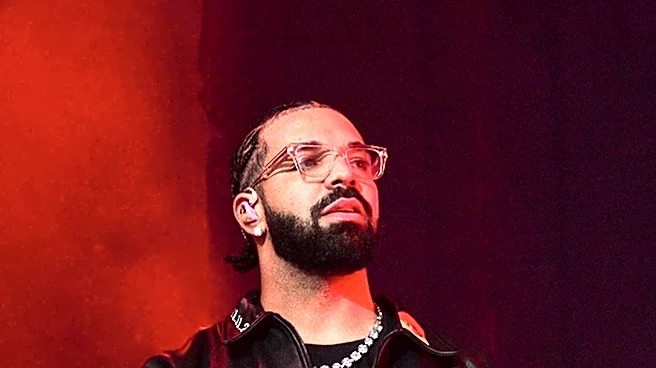
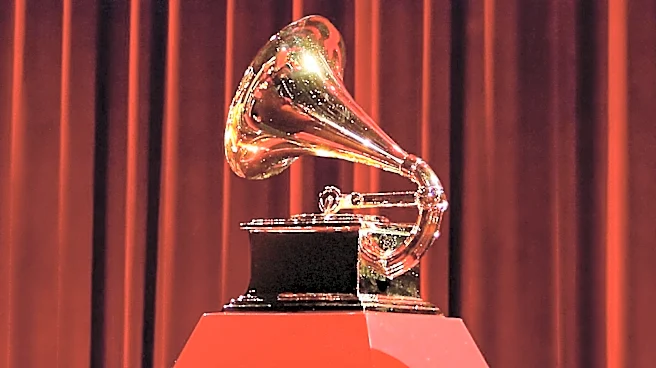
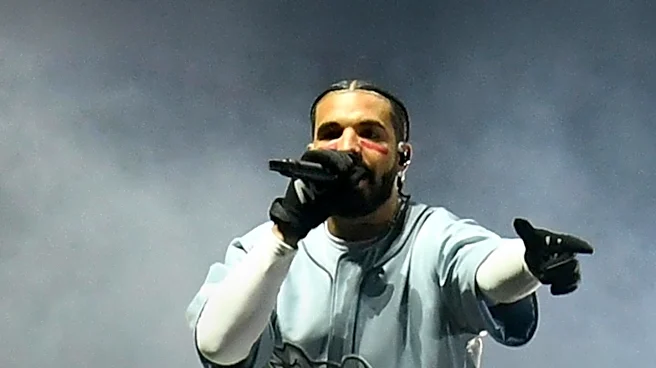
Drake has reportedly chosen not to submit any of his 2026 albums for consideration at the 2027 Grammy Awards. This decision marks a continuation of his complex and often distant relationship with the Recording Academy. In previous years, Drake has either
declined to submit albums, such as 'More Life,' or withdrawn them from consideration, as he did with 'Certified Lover Boy' from the 2022 race and 'Honestly, Nevermind' the following year. The primary exception to this pattern was his collaboration with 21 Savage, 'Her Loss,' which was submitted and received a 2024 Best Rap Album nomination, though it did not win.
Why It's Important?
Drake's consistent decision to largely bypass the Grammy Awards holds significant implications for the music industry and the awards' perceived relevance. As one of the most commercially successful and influential artists globally, his absence from the nominations can diminish the prestige of the awards, particularly in the rap and hip-hop categories. This move highlights a growing sentiment among some artists that traditional award shows may not accurately reflect artistic merit or cultural impact. It also signals a potential shift in how major artists view and engage with industry accolades, prioritizing direct fan connection and commercial success over institutional recognition. This trend could prompt the Recording Academy to re-evaluate its nomination and voting processes to better align with contemporary music trends and artist perspectives.
What's Next?
Drake's continued disengagement from the Grammy Awards is likely to fuel ongoing discussions within the music industry about the awards' future and their ability to remain relevant to top-tier artists. Other artists might follow suit, further challenging the traditional role of such ceremonies. This could lead to increased focus on alternative forms of recognition or artist-led initiatives that celebrate musical achievements. For Drake, this decision allows him to maintain creative control and avoid the pressures and politics often associated with award campaigns, potentially focusing more on his music and direct fan engagement. The Recording Academy may face pressure to address these concerns to ensure the Grammys continue to be seen as a definitive measure of musical excellence.
Beyond the Headlines
Drake's stance on the Grammys touches upon deeper issues concerning artistic autonomy, the commercialization of art, and the cultural authority of established institutions. His repeated withdrawals and non-submissions can be interpreted as a critique of the awards' selection criteria, perceived biases, or their overall impact on an artist's career. This challenges the notion that Grammy recognition is essential for an artist's success or legacy. It also opens up a broader conversation about how success is defined in the modern music landscape—whether it's through critical acclaim, commercial dominance, or cultural influence. Drake's actions contribute to a narrative where artists are increasingly empowered to define their own terms of engagement with the industry, prioritizing their artistic vision over external validation.