


What's Happening?
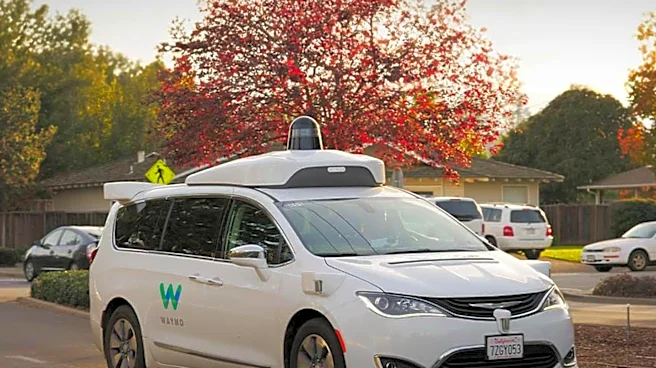
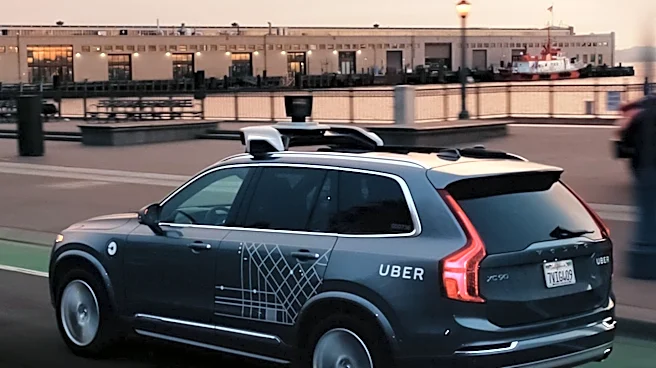
Uber is set to introduce a dedicated autonomous vehicle option within its app, starting in Las Vegas. This development will allow riders in the city to choose between a human driver and a robotaxi, and potentially select specific autonomous services.
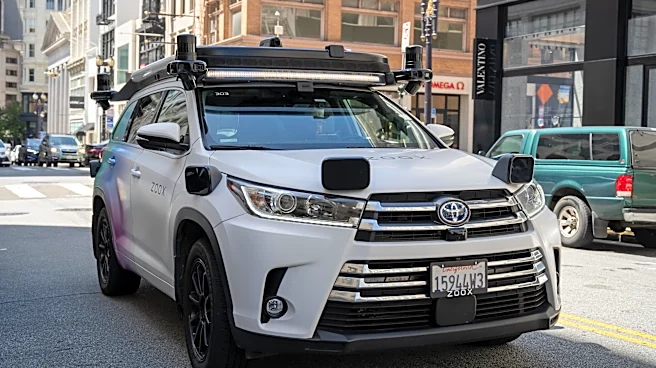
Las Vegas will be the first U.S. city where Uber riders can access two fully driverless partners through the app, one of which is Motional, Hyundai's self-driving subsidiary. Currently, Uber customers can increase their chances of getting a Zoox robotaxi or decline a robot ride, but they cannot directly select a robotaxi. Uber CEO Dara Khosrowshahi stated during the company's third-quarter earnings call in November that this functionality will change as 'availability and reliability improve.' This move signifies a significant step towards integrating autonomous vehicles more deeply into mainstream ride-hailing services, offering consumers a direct choice in their transportation method.
Why It's Important?
This initiative by Uber and its partners, including Motional, marks a critical juncture in the U.S. transportation industry, particularly for the autonomous vehicle sector. By offering a direct choice between human-driven and robotaxi services, Uber is essentially conducting a large-scale 'A/B test' on consumer preferences. This could provide invaluable data on what customers prioritize: cost, convenience, or the human element. The outcome of this experiment in Las Vegas could influence the broader adoption strategies for autonomous vehicles across other U.S. cities. It also intensifies the competition between human drivers and robotaxis, potentially leading to new challenges for organized labor as autonomous services become more prevalent. Furthermore, the partnership with Motional highlights the growing collaboration between tech giants and established automotive manufacturers in the race to commercialize self-driving technology, impacting investment and development trends in the sector.
What's Next?
Uber plans to roll out the dedicated autonomous option in its app as the availability and reliability of robotaxi services improve. This suggests a phased implementation, with initial observations from Las Vegas likely informing future expansions. The direct competition between human drivers and robotaxis in Las Vegas could lead to discussions and potential policy changes regarding labor laws and regulations for autonomous vehicles. Stakeholders, including ride-hailing companies, autonomous vehicle developers like Motional, and labor organizations, will closely monitor consumer behavior and market dynamics. The success or challenges encountered in Las Vegas will likely shape the strategies for deploying autonomous ride-hailing services in other major U.S. metropolitan areas, potentially accelerating or decelerating the widespread adoption of this technology.
Beyond the Headlines
The introduction of a direct choice between human and autonomous ride-hailing services in Las Vegas raises profound questions about the future of work and the ethical implications of automation. As robotaxis become a more viable option, the economic impact on human drivers, particularly those relying on ride-hailing for their livelihoods, will become a central concern. This development could trigger broader societal debates about job displacement due to AI and automation, prompting calls for new social safety nets or retraining programs. Furthermore, the 'A/B test' in Las Vegas will not only gauge consumer preference but also shed light on the public's trust in autonomous technology, influencing regulatory frameworks and public acceptance. The long-term shift could redefine urban transportation, potentially leading to more efficient, but also more automated, city infrastructures.