








What's Happening?
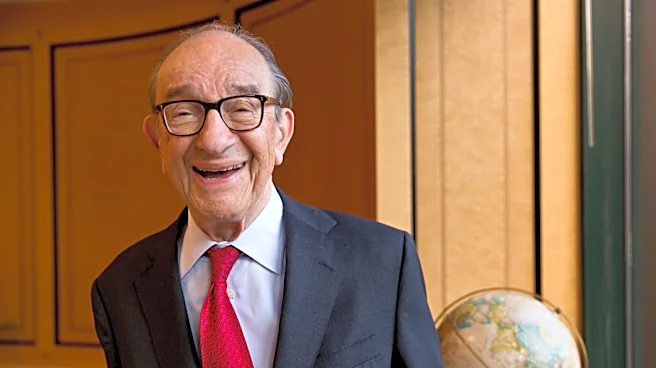
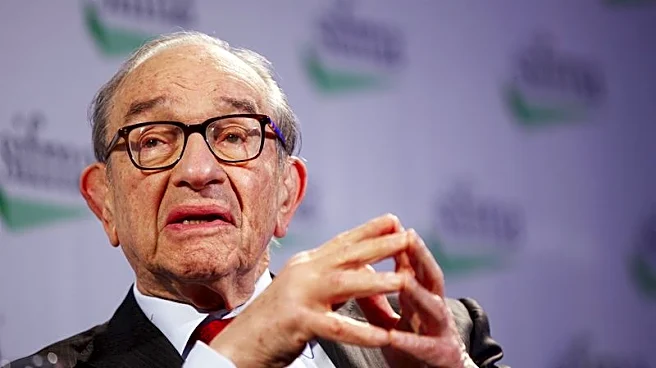
Alan Greenspan, who served as the chairman of the Federal Reserve for nearly two decades, has died at the age of 100. Greenspan was appointed by four different presidents and led the Fed through periods of significant economic expansion and crises, including
the 1987 stock market crash and the 2001 terrorist attacks. His tenure was marked by a focus on low interest rates and deregulation, which some critics argue contributed to the 2008 financial crisis. Despite these criticisms, Greenspan was recognized for his role in facilitating one of the longest economic expansions in U.S. history.
Why It's Important?
Greenspan's death marks the end of an era for U.S. economic policy. His influence on the Federal Reserve and the broader economy was profound, shaping monetary policy for decades. While his policies contributed to economic growth, they also sparked debates about the role of regulation and the risks of low interest rates. Greenspan's legacy continues to influence current economic discussions, particularly in the context of financial stability and regulatory oversight. His career highlights the challenges faced by central bankers in balancing economic growth with financial risks.